Indian refiners rush to book Iranian oil under US waiver — SkimNews
Get the Geopolitics newsletter
Daily geopolitics — wars, elections, sanctions, the diplomatic moves that move markets. Free.
- Three Indian refining sources told Reuters they will buy Iranian oil, saying they are awaiting government directions and clarity from Washington on payment terms, while other Asian refiners are making checks on whether they can purchase as well.
- US Treasury Secretary Scott Bessent said the Trump administration issued the 30-day sanctions waiver on March 20, and the Office of Foreign Assets Control said it covers oil loaded on or before March 20 and discharged by April 19, including cargoes on sanctioned tankers.
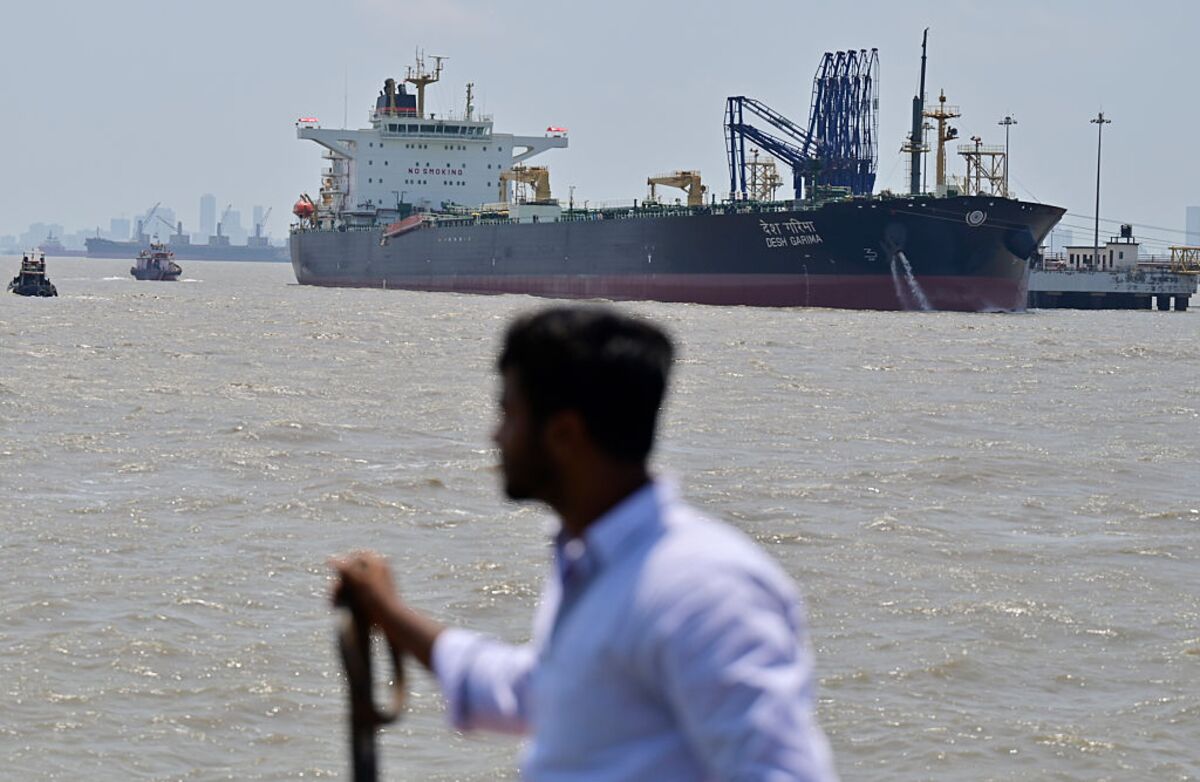
- Kpler's Emmanuel Belostrino estimated about 170 million barrels of Iranian crude are currently at sea on vessels scattered from the Middle East Gulf to waters near China, while consultancy Energy Aspects pegged the figure at 130–140 million barrels — equivalent to under 14 days of current Middle East production losses.
- Asia's dependence on Middle East crude is at roughly 60 per cent of supply, and the near-closure of the Strait of Hormuz is forcing refineries across the region to run at lower rates and cut fuel exports, per the report.
- China has been Iran's main client since Trump reimposed sanctions in 2018, with its independent refiners buying 1.38 million barrels per day in 2025 at deep discounts; other pre-sanctions buyers included India, South Korea, Japan, Italy, Greece, Taiwan and Turkey.
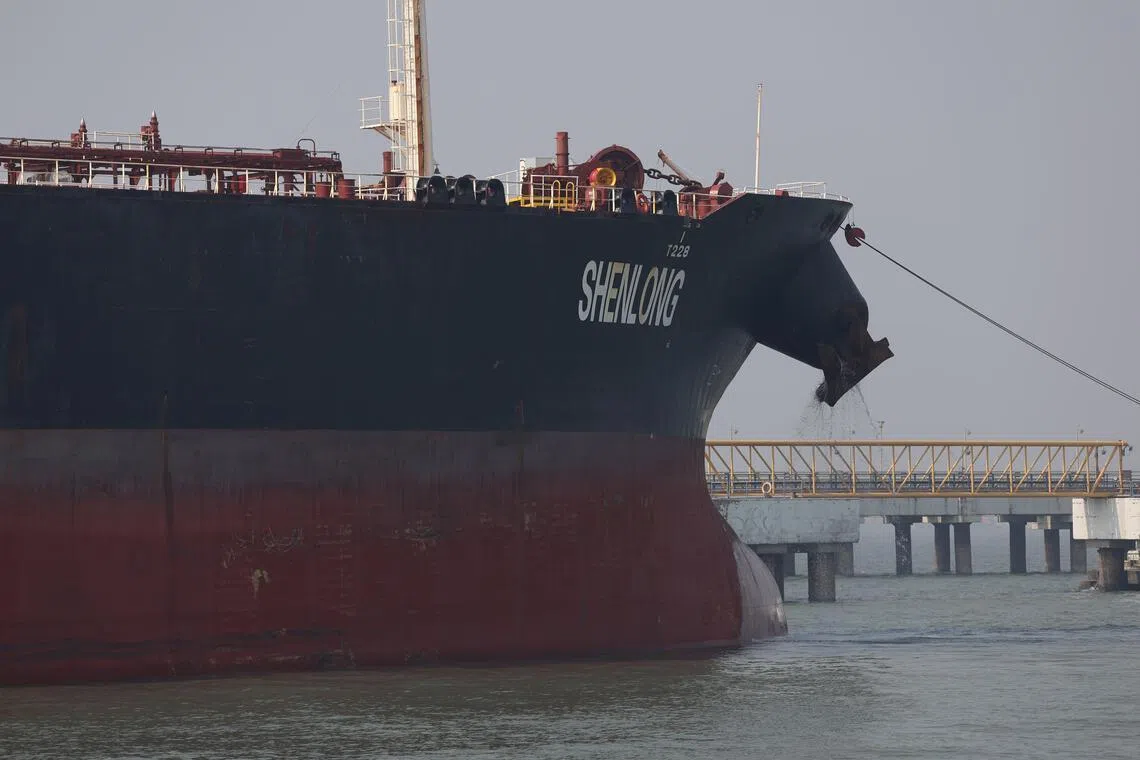
- Traders flagged complications including payment uncertainty, ageing shadow-fleet ships carrying much of the oil, and a Singapore-based trader saying compliance, administration and banking work would take time but that buyers would 'try to work ASAP.'
Why it matters: The waiver unlocks an estimated 130–170 million barrels of Iranian crude sitting offshore — enough to ease short-term supply pressure on Asian refineries that depend on the Middle East for 60 per cent of their crude and have been forced to cut fuel exports because of the near-closure of the Strait of Hormuz, with a hard April 19 discharge deadline dictating how fast that crude can move.
Ask SkimNews