Japan strikes combat role in South China Sea in post-war pivot — SkimNews
Get the Geopolitics newsletter
Daily geopolitics — wars, elections, sanctions, the diplomatic moves that move markets. Free.
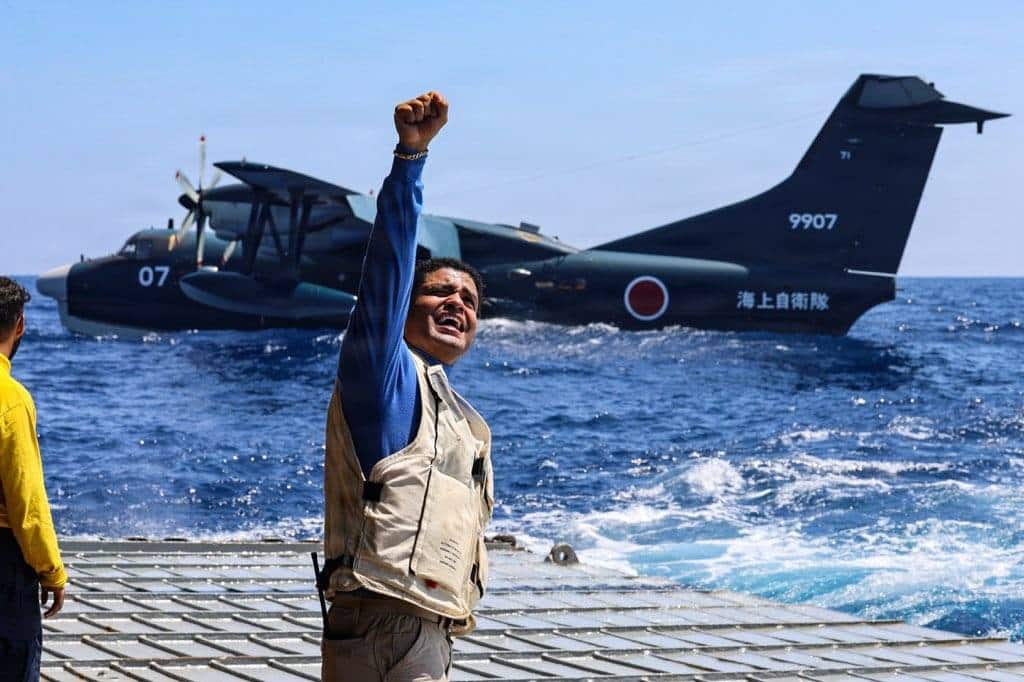
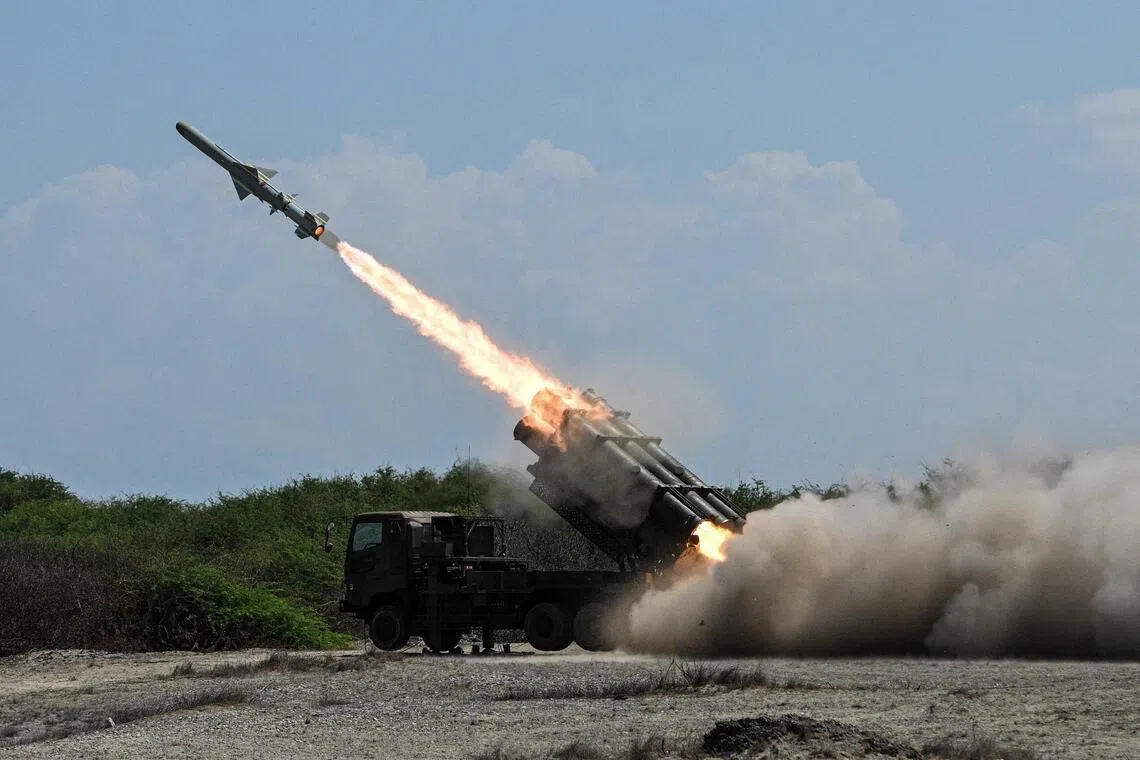
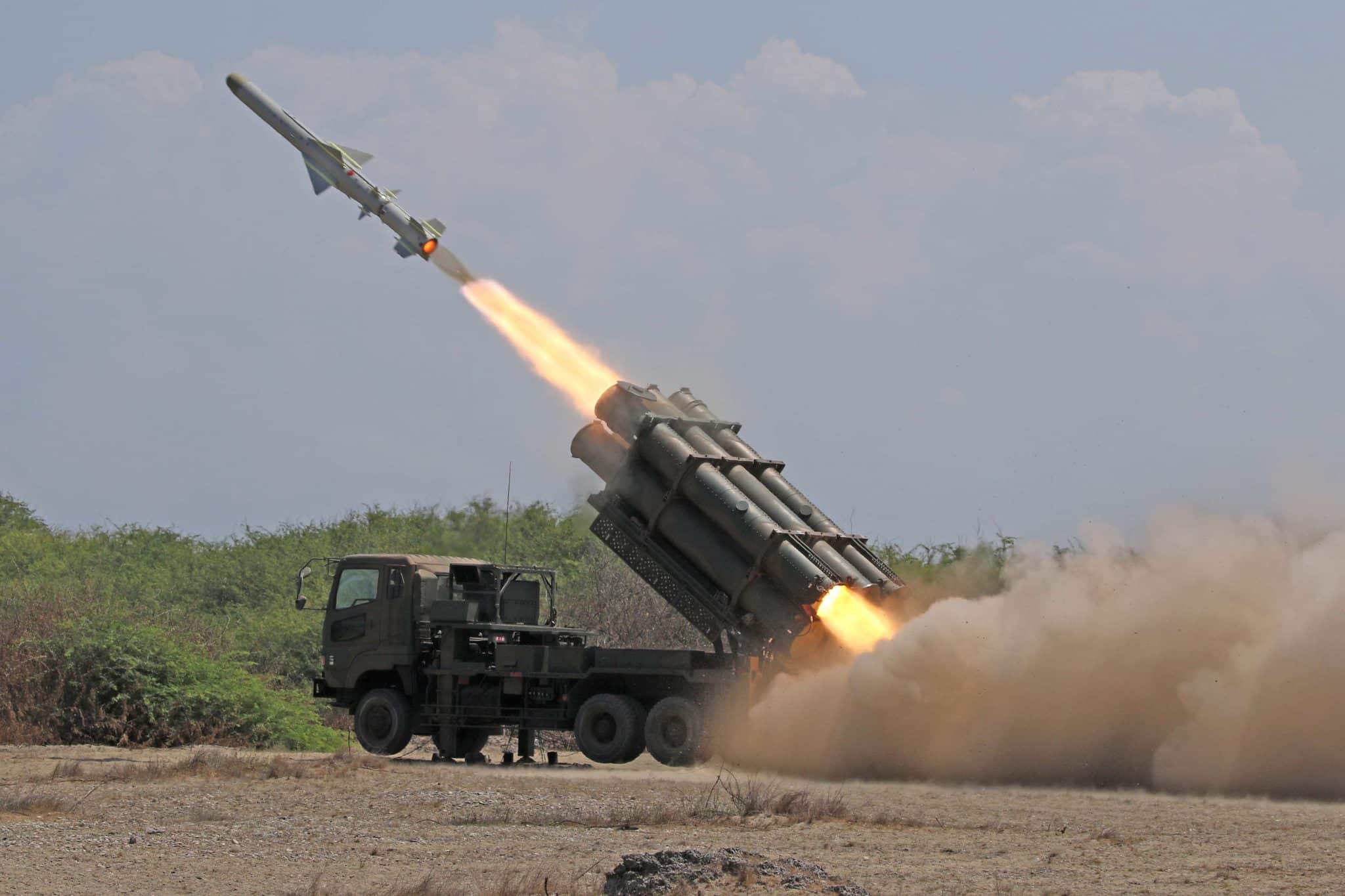
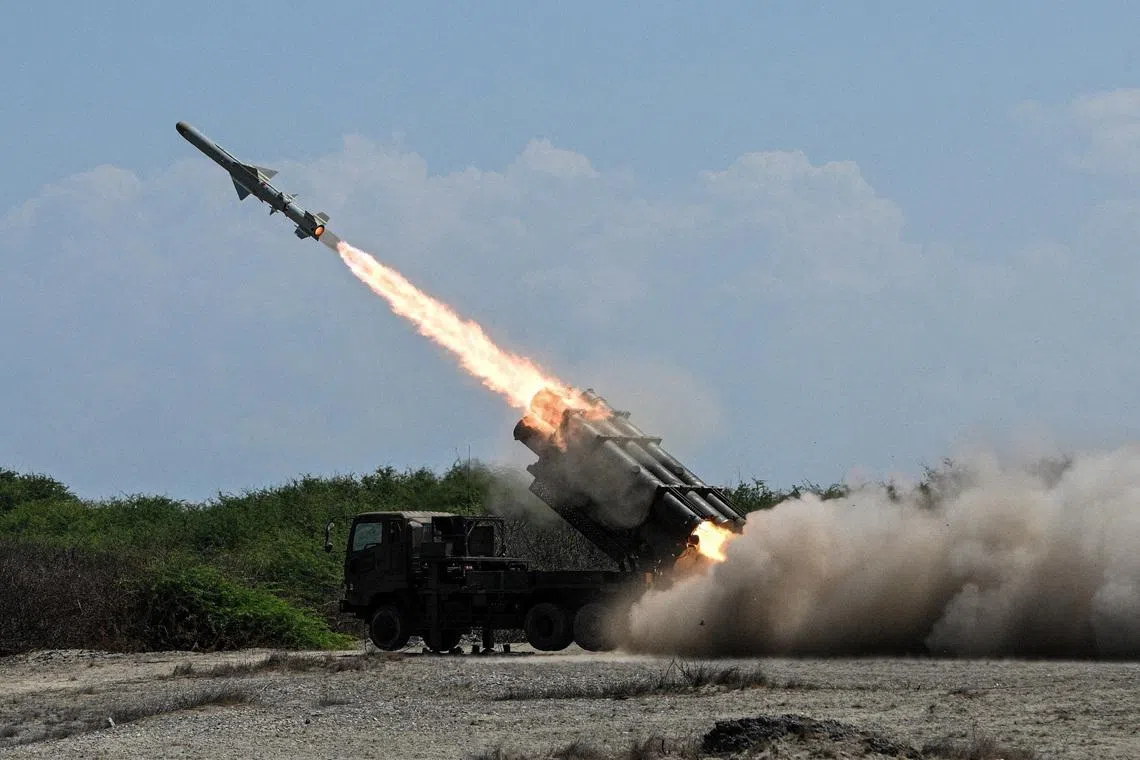
- Japan sent 1,400 combat troops to the Philippines for a mock‑ship sinking drill on May 6, its largest overseas combat role since WWII.
- United States led a Balikatan exercise that gathered more than 17,000 troops from seven nations, with Japan as the third‑largest contingent.
- China condemned the drills, posting that “outsourcing security to external powers rarely ends well,” warning of destabilising bloc politics.
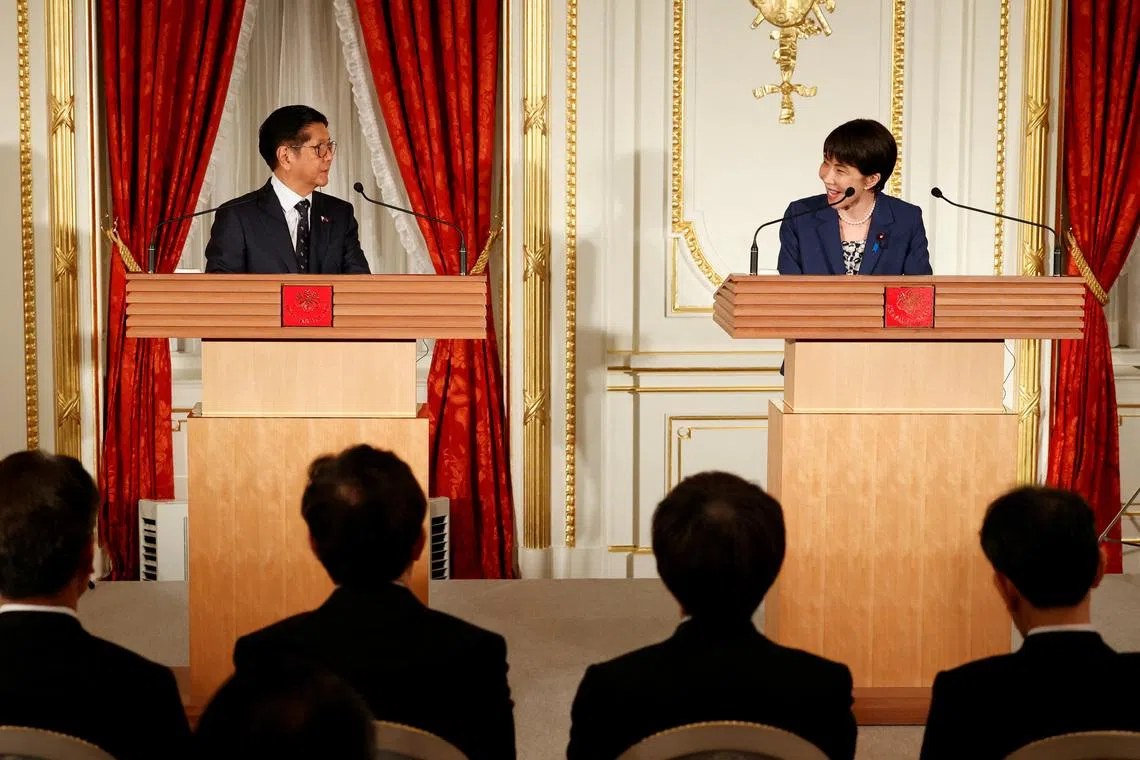
- Sanae Takaichi has urged a tougher stance toward Beijing, even suggesting Japanese forces could intervene if China attacks Taiwan, a policy China calls “neomilitarism.”
- Dr Naoko Aoki of RAND says the missile, amphibious and missile‑defence elements of the drills are directly relevant to any future Taiwan conflict, linking Balikatan to broader flashpoints.
Why it matters: Japan gains a forward‑deployed combat presence of 1,400 troops, bolstering its alliance with the US and Philippines; China loses regional influence as Beijing’s warnings intensify, raising the risk of accidental clashes in the South China Sea.
Ask SkimNews