Russia-North Korea Bridge Nears Completion Ahead of Schedule — SkimNews
Get the Geopolitics newsletter
Daily geopolitics — wars, elections, sanctions, the diplomatic moves that move markets. Free.
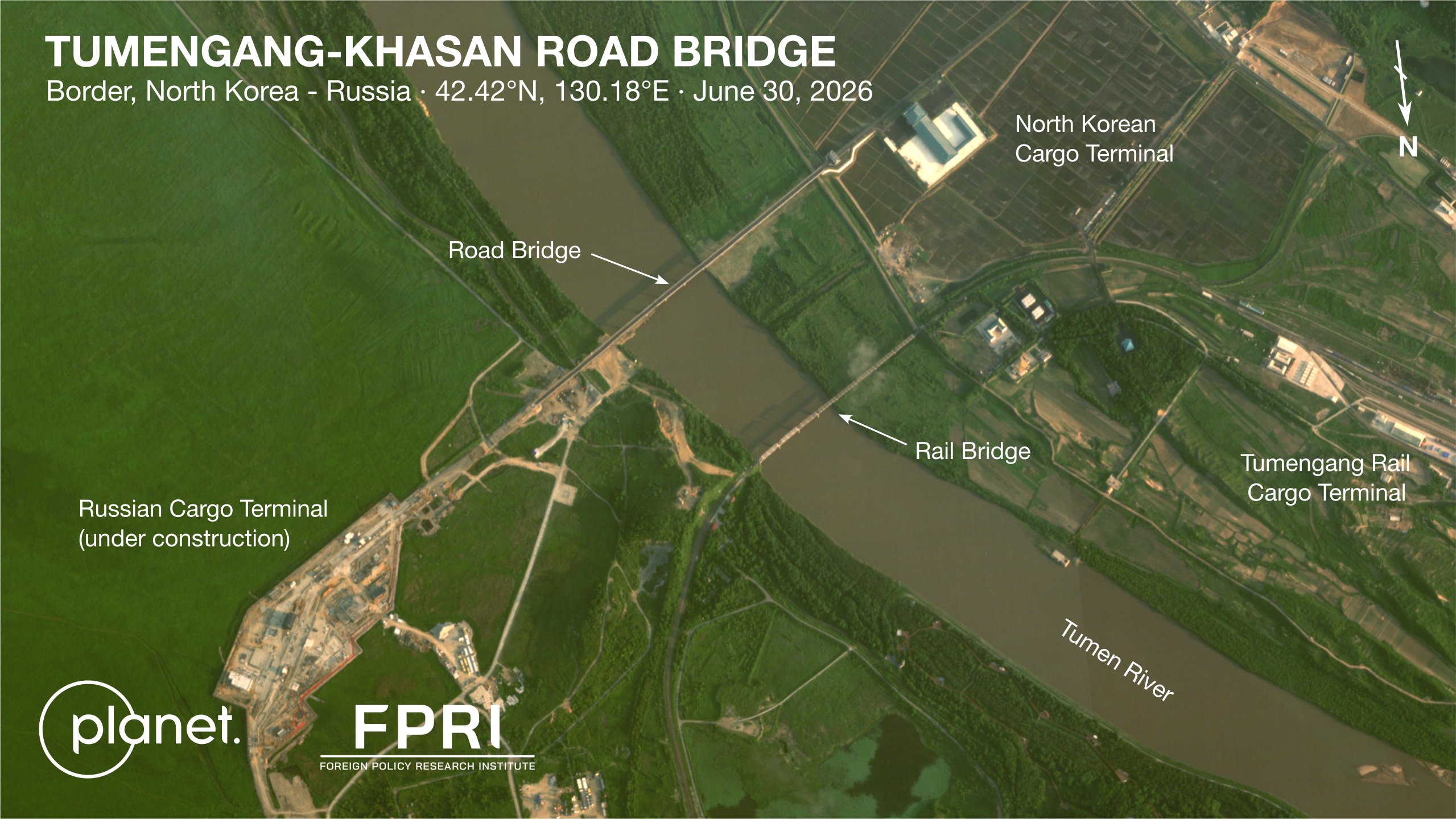
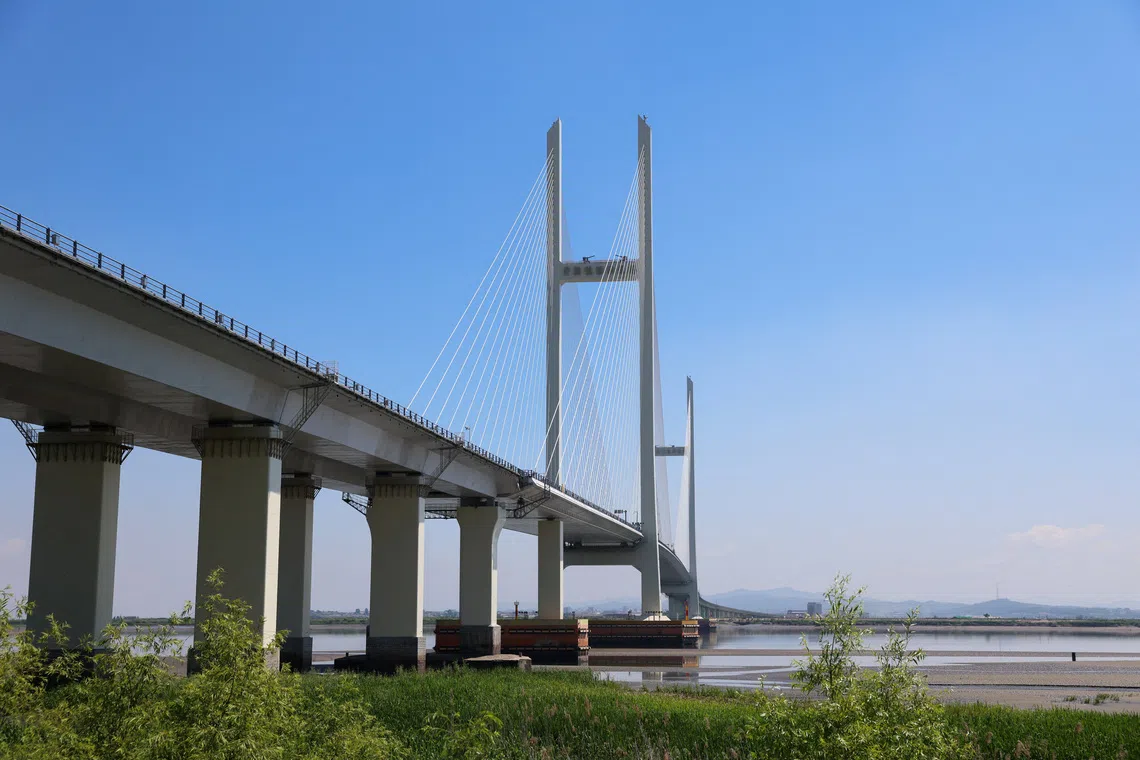
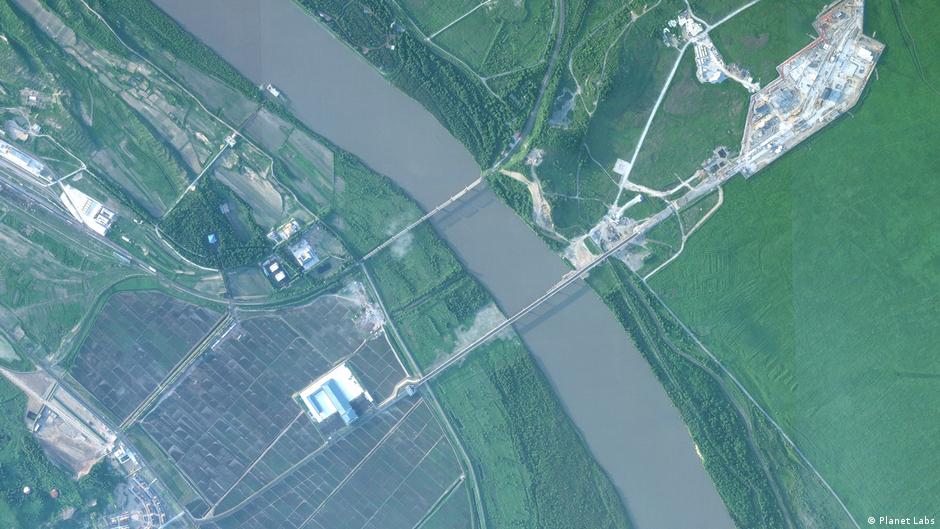
- Russia and North Korea are nearing completion of a parallel road bridge near Khasan ahead of schedule, complementing the 1959 Korean-Russian Friendship Railway Bridge that has long been the only land connection between the two countries.
- Truth Hounds argues the bridge's real purpose is military, not economic: official 2024 bilateral trade totaled just $34 million while the bridge and its infrastructure are thought to cost roughly $100 million.
- Putin and Kim Jong Un signed a strategic partnership in June 2024 focused on military cooperation, after which North Korea deployed 14,000–15,000 personnel to Russia's Kursk region and supplied weapons.
- Zelenskyy warned on X that Russia could deploy up to 30,000 additional North Korean troops and that the partnership is teaching North Korea modern warfare, improved weapons, and potentially nuclear technology.
- Satellite imagery of the site shows warehouses, customs facilities, truck areas, and a helicopter pad being built; Truth Hounds notes trucks are far harder to track by satellite than rail, enabling covert logistics.
- Tourism rationale is implausible — Khasan is about 125 hours by car from Moscow and roughly four hours from Vladivostok, and fewer than 10,000 Russian citizens traveled to North Korea in 2025.
Why it matters: The $100 million price tag against just $34 million in 2024 bilateral trade demolishes the civilian economic justification, while the military logic is concrete: trucks evade satellite monitoring in ways trains cannot, making this bridge a viable covert corridor for expanding North Korea's troop contribution to Ukraine and for funneling nuclear know-how back to Pyongyang — a longer-term Asian security threat that Zelenskyy says puts everyone within range of North Korean missiles at risk.
Ask SkimNews