Micro AGI films NYC homes to train home robots — SkimNews
SkimNews Take
The real barrier to household robots isn't intelligence but the scarcity of physical-world training footage — meaning data-acquisition costs, not software, are now the binding constraint pushing AI firms into direct consumer service.
Get the Tech newsletter
Daily tech — startups, AI labs, chips, the launches that shape the next decade. Free.
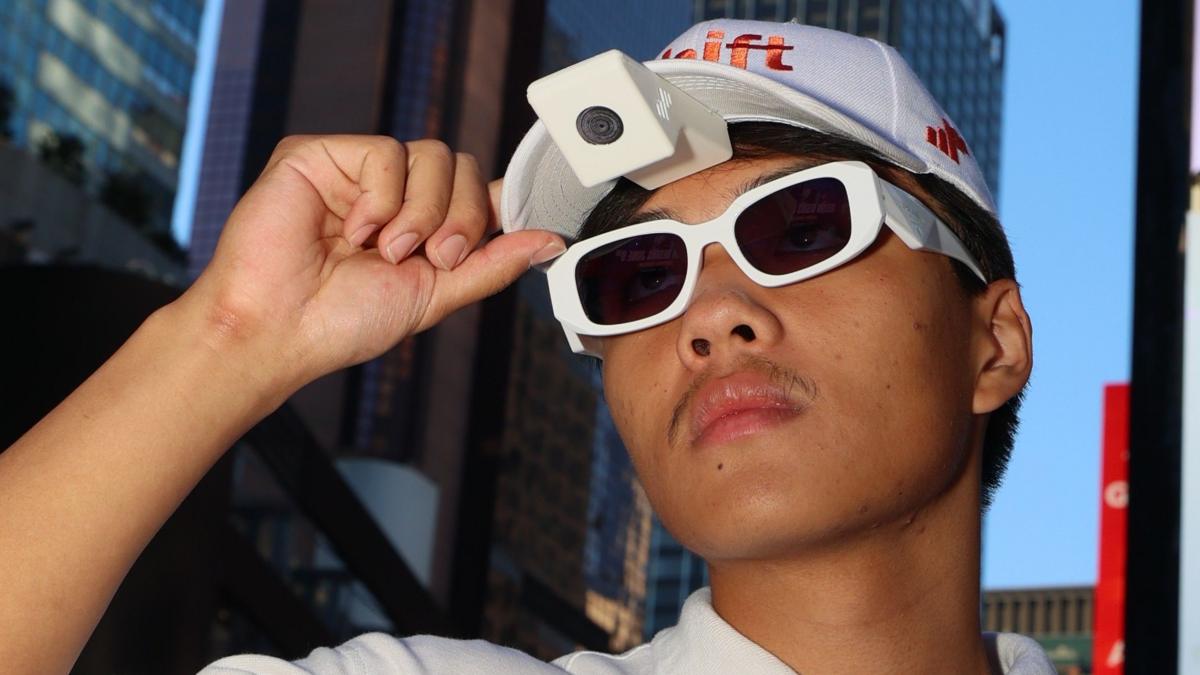
- Micro AGI launched a program called Shift that deploys cleaners wearing cap-mounted cameras to film tasks in NYC apartments, collecting footage to train robots in dexterity and home-environment adaptation.
- Shift founder Bercan Kilic said the initiative aims 'to advance humanity' and requires 'tonnes' of data because every object, lighting condition, and layout differs, making standardized training data scarce.
- Shift's cleaners work five apartments a day, five days a week, stationed in New York indefinitely due to high demand, and the company plans to expand the model to mechanics fixing cars in Turkey and potentially 'any skill humanity can demonstrate.'
- Micro AGI's business model relies on selling anonymized in-home recordings to robotics and other AI companies that need training data, framing the free service as direct compensation for the data exchange.
- Electronic Frontier Foundation's Rory Mir warned the practice is part of a 'concerning increase in pay-for-privacy and data-bribing practices,' noting that data shared with one business can end up shared with others or governments.
- EPIC's Calli Schroeder called Shift's model 'a diabolically creative way to sell privacy invasion' and said the technology being trained on that footage could one day leave the cleaners themselves out of work.
- Kilic defended the program as 'the most honest platform by far regarding what happens to your data,' arguing that users are at least being paid, unlike with websites and social media companies.
Why it matters: Consumers are being asked to trade intimate in-home footage — potentially including sensitive personal details invisible in casual observation — for a free cleaning that experts say is a 'pittance' compared to what the compiled datasets will sell for. Two named privacy advocates explicitly warn this normalizes a 'data-bribing' model where the people doing the training labor (both the cleaners and the residents) capture the smallest share of the value created.
Ask SkimNews


