Israel Election: Netanyahu Faces Eisenkot Challenge — SkimNews

Get the Geopolitics newsletter
Daily geopolitics — wars, elections, sanctions, the diplomatic moves that move markets. Free.
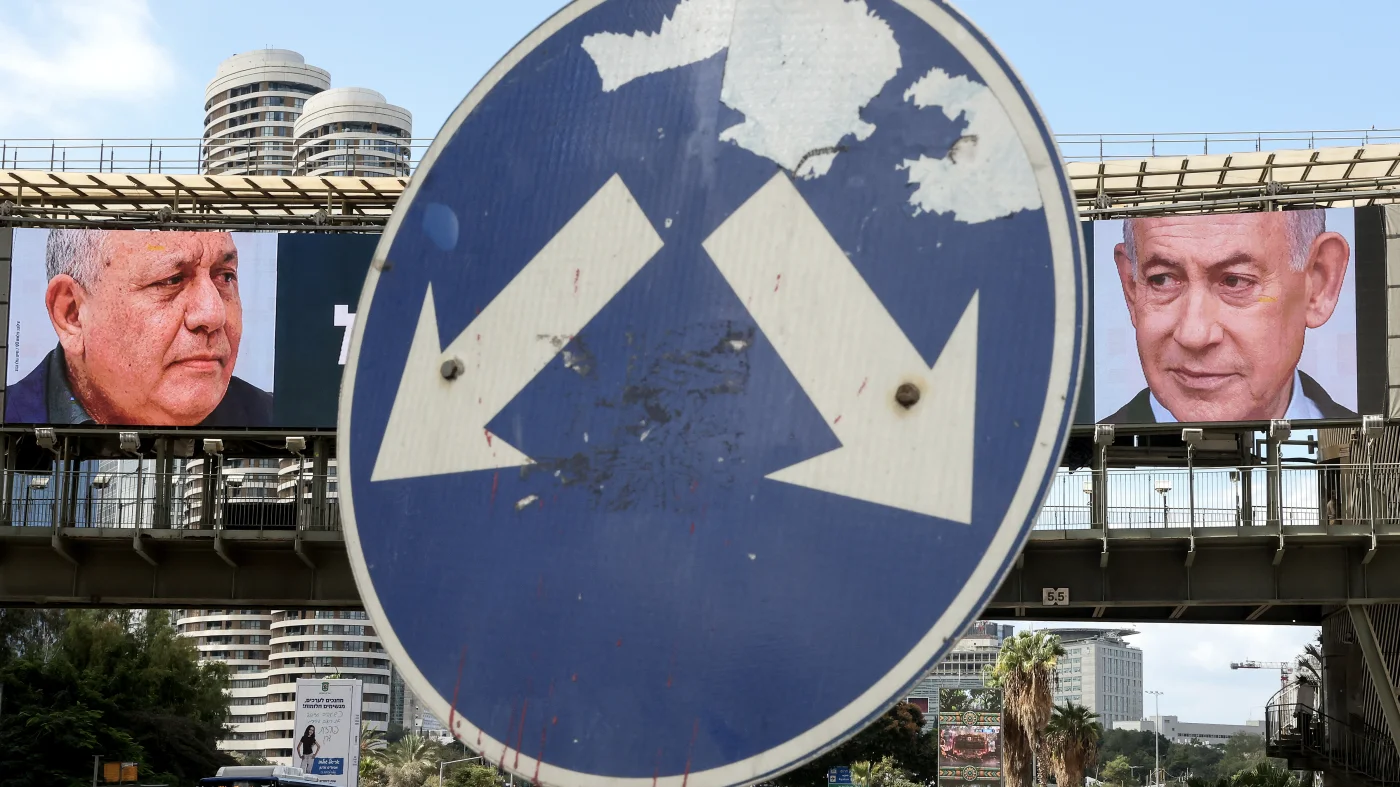
- Gadi Eisenkot leads a centrist challenge against Netanyahu, with his Yashar party tied in polls and drawing support through his calm, military-backed persona and promise of national unity.
- Benjamin Netanyahu campaigns on a 'No Surrender' platform, framing himself as Israel’s indispensable security leader amid ongoing wars in Gaza, Lebanon, and Iran.
- First-time voters — half a million strong — show a split trend, with over 16% of them favoring far-right parties, according to a Yedioth Ahronoth poll from 9 October.
- Itamar Ben Gvir’s Jewish Power party gains traction among former Likud voters like Lt Col (Res) Eyal Hajbi, who cites the 7 October attacks as a turning point justifying more extreme policies.
- Bezalel Smotrich’s Religious Zionism party appeals to young religious voters who believe peaceful engagement failed and advocate for holding land with 'an iron fist'.
- Opposition supporters gathered in Tel Aviv to demand change, citing concerns over democracy, corruption, and the exclusion of 'religious fanatics' from government.
- Eisenkot pledges to establish a state commission of inquiry into the 7 October attacks and enforce military draft rulings for ultra-Orthodox Jews, aligning with 70% of Jewish Israelis in a recent survey.
Why it matters: The election outcome hinges on competing visions of Israeli identity: Netanyahu’s security-first stance versus Eisenkot’s push for democratic integrity and inclusion. With nearly 16% of first-time voters backing far-right parties and Eisenkot promising reforms backed by broad public support, the balance of power could shift toward either deeper polarization or a fragile centrist coalition.
Ask SkimNews