Maine Wild Blueberry Farms Hit by Climate-Driven Crop Losses — SkimNews
Get the Energy newsletter
Daily energy & climate — solar, EVs, oil, the policy fights and tech bets shaping the transition. Free.
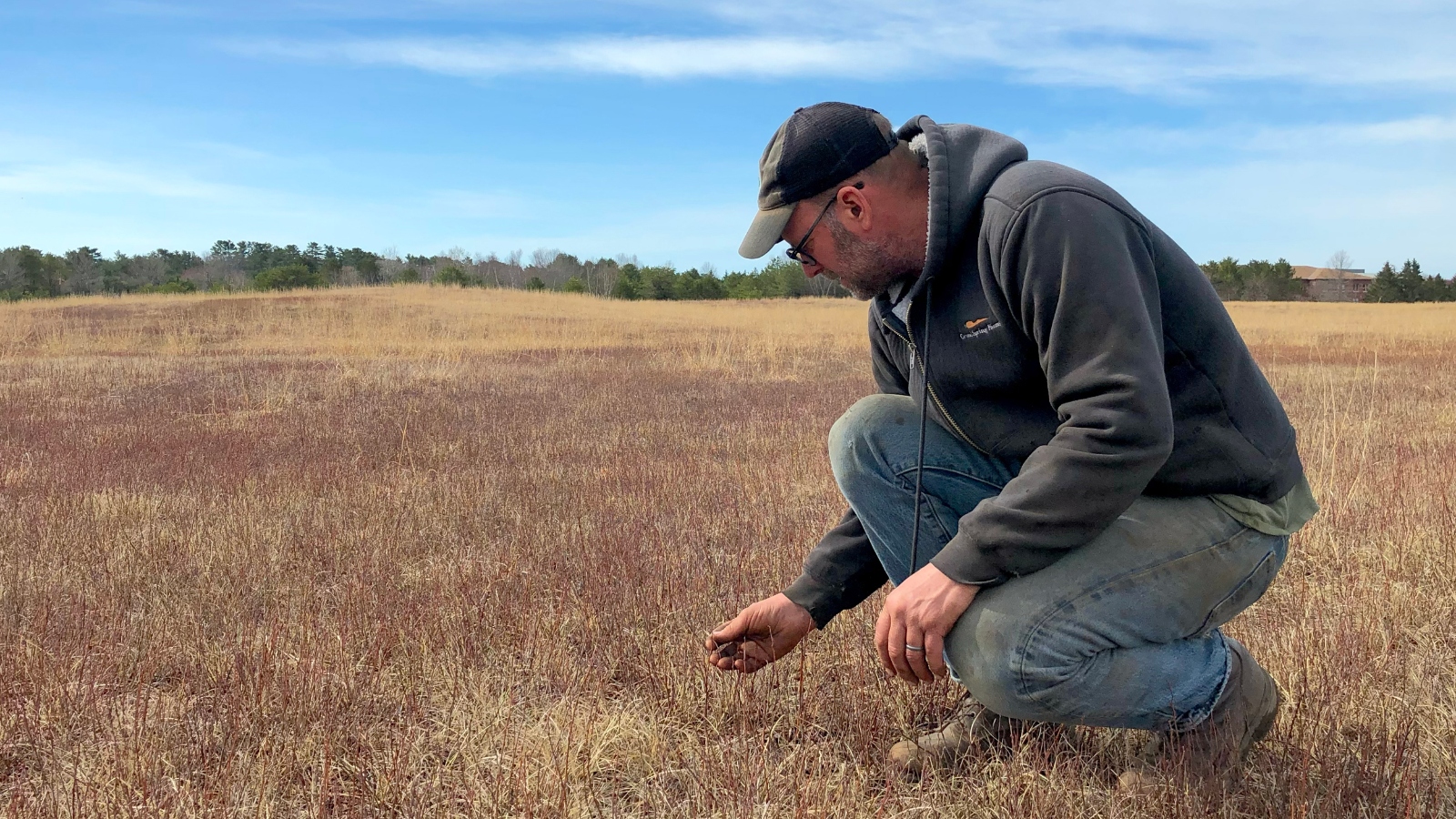
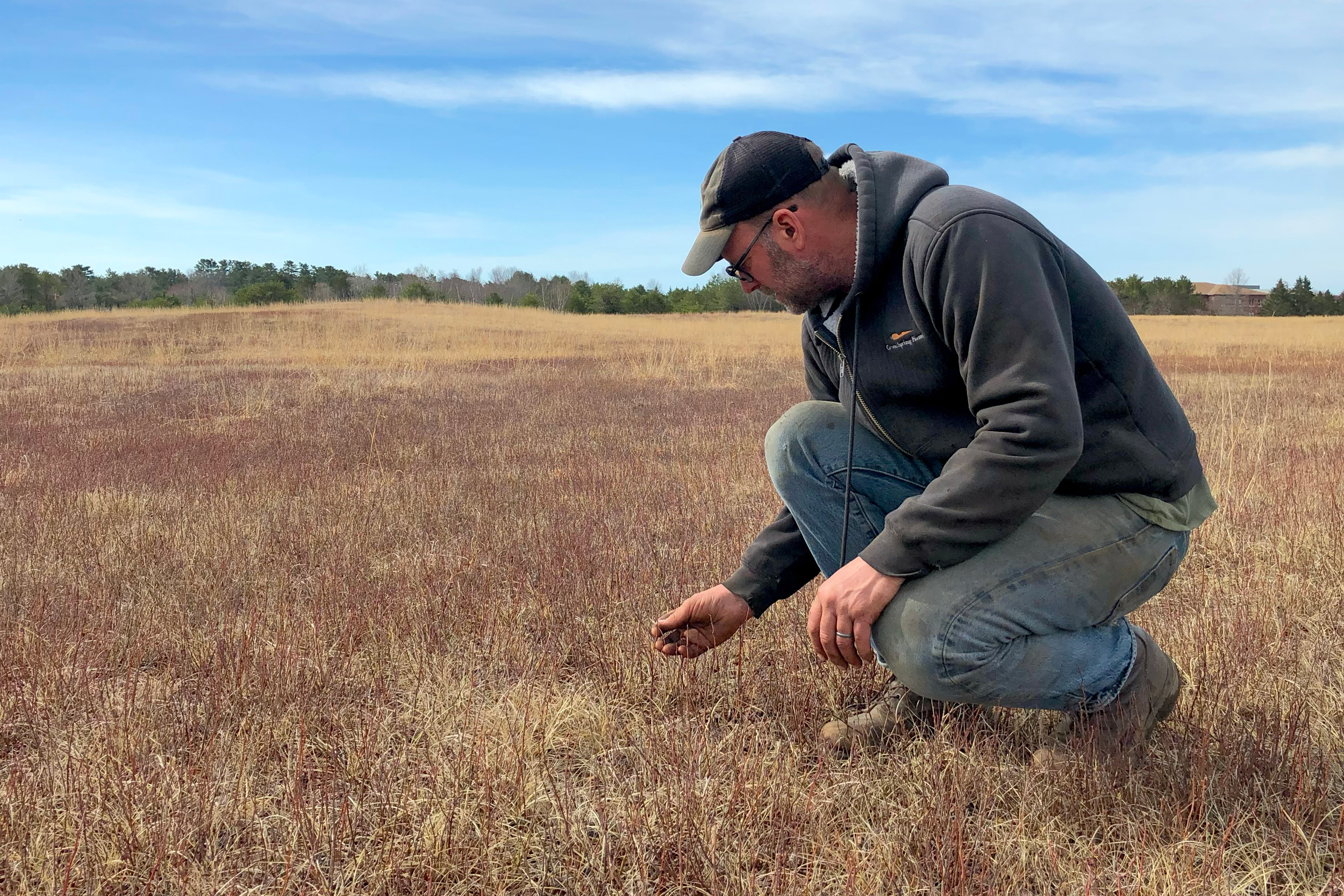
- Seth Kroeck's Crystal Spring Farm harvested only 7% of its expected crop in 2025 across its 72 acres after severe drought caused leaves to change color prematurely and berries to shrivel before they could ripen.
- Maine's wild blueberry industry produced nearly 88 million pounds in 2023, generating $361 million in revenue and accounting for almost the entirety of US commercial wild blueberry production, according to the Wild Blueberry Commission of Maine.
- Maine's blueberry barrens are warming faster than the rest of the state due to rapid warming in the Gulf of Maine, with berries now ripening by late July instead of the traditional early-to-mid August harvest window, compressing the harvest season.
- Kroeck reported his farm has lost its crop almost completely three times in the last seven years, as Maine experienced severe droughts in 2020, 2022, and 2025, plus one of its wettest years on record in 2023.
- University of Maine researchers Rachel Schattman and Lily Calderwood said farmers they work with have "absolutely no doubt" climate change is already affecting their livelihoods, and that traditional knowledge passed through generations of growers can no longer reliably schedule harvests.
- Wild blueberries' biennial fruiting cycle means extreme weather effects compound across multiple seasons — a drought year damages both that summer's fruit and the next year's vegetative growth, reducing yields two years running.
- Surprise late-spring frosts can kill flower buds as they form, while unseasonably warm autumns have caused bushes to flower again just before winter, sapping energy and reducing berry production the following year.
Why it matters: Maine produces nearly all of America's wild blueberries, a $361 million industry tied to the state's cultural identity. With the Gulf of Maine warming faster than the rest of the state and complete crop losses hitting some farms three times in seven years, the industry's future depends on whether pricey adaptation measures — new labor, equipment, and irrigation on sandy, hard-to-water soils — can arrive fast enough to preserve a fruit grown on the same land for millennia.
Ask SkimNews