Study: Warming Waters Shrink Maine Lobster Larvae — SkimNews
Get the Energy newsletter
Daily energy & climate — solar, EVs, oil, the policy fights and tech bets shaping the transition. Free.
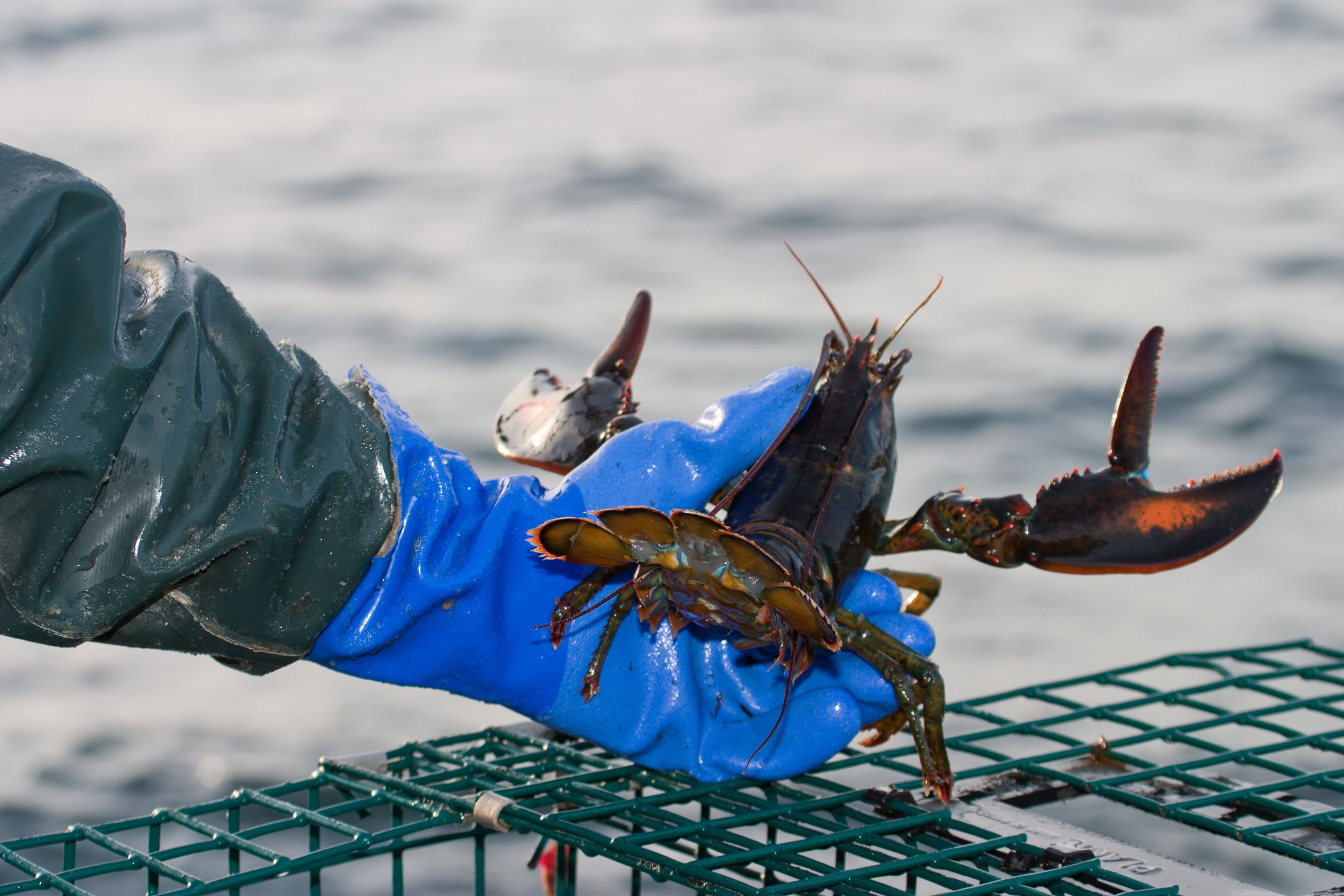
- Maine's commercial lobster fishery harvested 78.8 million pounds last year, with harvesters earning $619 million, according to the Maine Department of Marine Resources.
- A 2015 study led by Andrew Pershing found the Gulf of Maine is warming 99 percent faster than the rest of the ocean, the figure that has driven fears of a northward lobster migration.
- A NOAA-funded October study brought 24 lobsters from the Gulf of Maine to a Virginia lab, exposing them to present-day and projected 2100 temperature and acidity levels over five months.
- Researcher Emily Rivest of William & Mary's Virginia Institute of Marine Science said embryos proved tolerant to acidification but sensitive to warming, with larvae in hotter water hatching at smaller sizes.
- Lobsterman Curt Brown, who holds a University of Maine master's degree, argues the warming narrative has been oversimplified since Pershing's 2015 study and that the ecosystem's complexity defies neat predictions.
- Gulf of Maine Research Institute's Miguel Barajas noted that as ectotherms, lobsters grow faster in warmer water but often at smaller sizes and with reduced reproductive capacity outside the ideal 12–18°C range.
Why it matters: Maine's $619 million lobster industry—culturally synonymous with the state—faces a threat that the standard 'lobsters will move to Canada' framing misses: even if adults persist, the next generation may be physically too small to survive the transition to the ocean floor. Smaller, weaker hatchlings raise the stakes on protecting egg-bearing females, the bottleneck for the entire fishery.
Ask SkimNews