Russia's Fuel Crisis Hits Moscow as Putin Doubles Down — SkimNews
Get the Geopolitics newsletter
Daily geopolitics — wars, elections, sanctions, the diplomatic moves that move markets. Free.
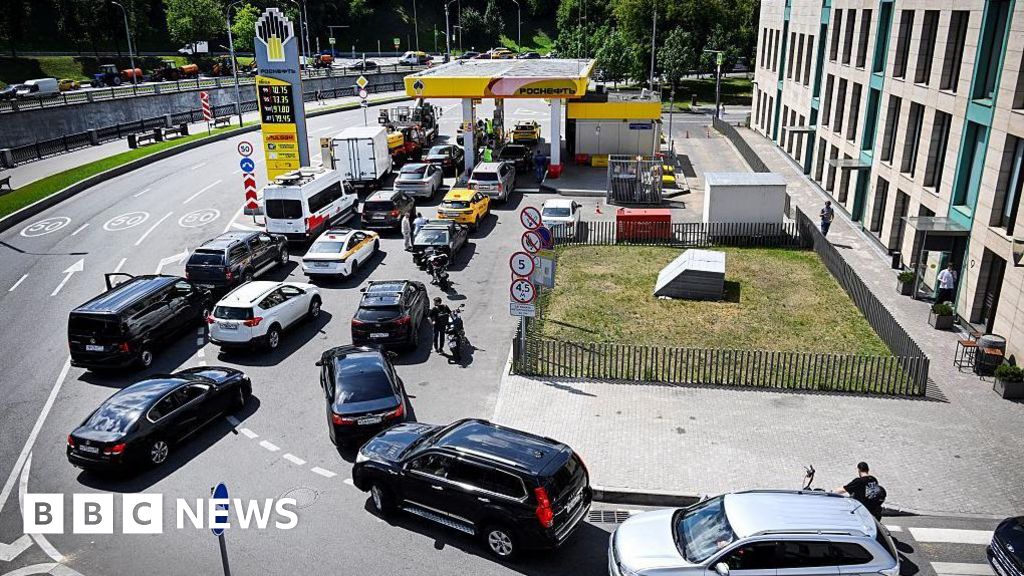
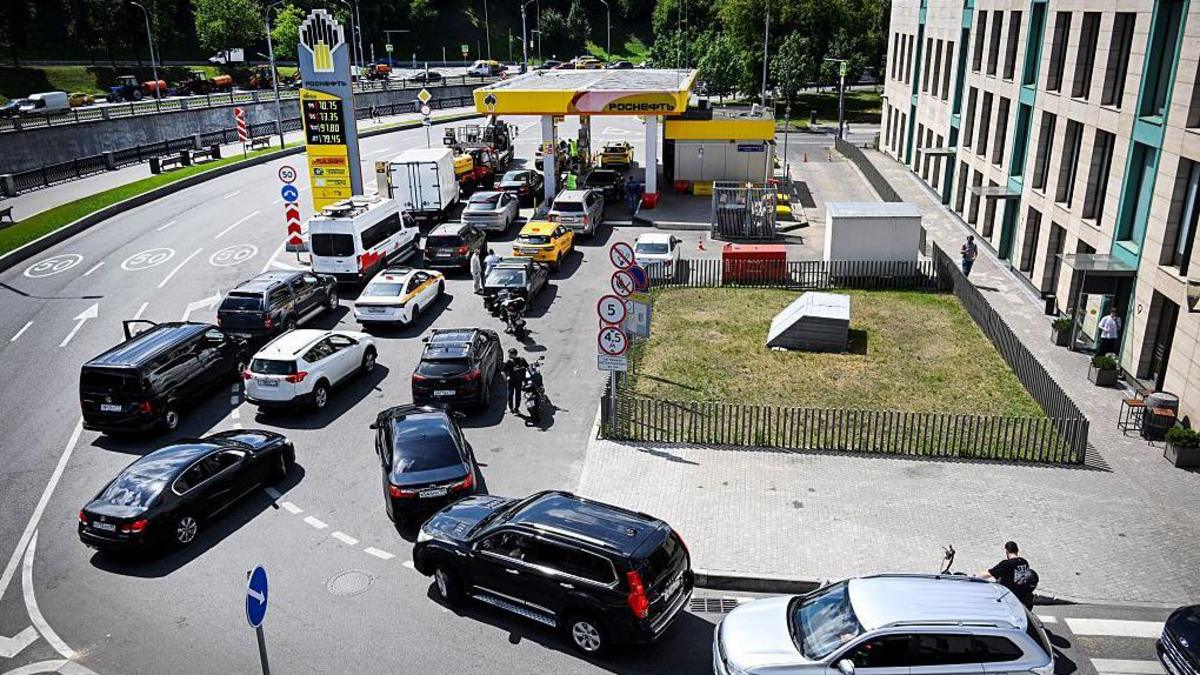
- Moscow petrol stations are running dry, with queues stretching for miles and some stations closed entirely, as Ukrainian drone and missile strikes target Russian oil refineries deep inside the country.
- Putin publicly addressed the fuel shortage on state TV, conceding Ukrainian attacks are "obviously creating problems" but insisting "it's not critical," while ordering increased fuel imports, price subsidies, and the sale of lower-grade fuel.
- Independent polling shows Putin's approval at 74% per Levada Center, with only 52% of Russians believing the country is heading in the right direction—down from 61% in May—and state-run VCIOM logging a 3.4-point weekly drop in public trust to 73%.
- Putin appeared in military fatigues claiming front-line victories and promising to take more territory, while instructing his generals to analyze European allies' involvement in "real combat actions"—language that has unnerved Western diplomatic and military circles.
- Nina Khrushcheva of The New School told the BBC Putin is unlikely to bend under pressure and may instead act more aggressively, dismissing European hopes of forcing him to the negotiating table as "a fantasy."
- Social order is fraying at the margins: Cossacks have been deployed in the Black Sea resort of Anapa to keep order in fuel queues, a Siberian mayor laid on portable toilets for drivers, and bus services and rubbish collections have been cut in some areas.
Why it matters: Russia's fuel crisis is the first major wartime hardship to reach Moscow's streets, and polling shows public confidence eroding—only 52% of Russians now say the country is heading in the right direction, down from 61% in May. Yet Putin's military posturing and his order to generals to analyze European allies' 'real combat actions' suggest he is more likely to escalate than negotiate, undercutting the NATO assumption that economic pressure might bring him to the table.
Ask SkimNews