US Strikes Iran; Bahrain and Kuwait Targeted in Retaliation — SkimNews
SkimNews Take
Kuwait and Bahrain absorbing retaliatory strikes signals that hosting U.S. bases now means absorbing Iran's retaliation, effectively converting Gulf partners into co-belligerents and raising the political cost of continued basing arrangements across the region.
Get the Geopolitics newsletter
Daily geopolitics — wars, elections, sanctions, the diplomatic moves that move markets. Free.
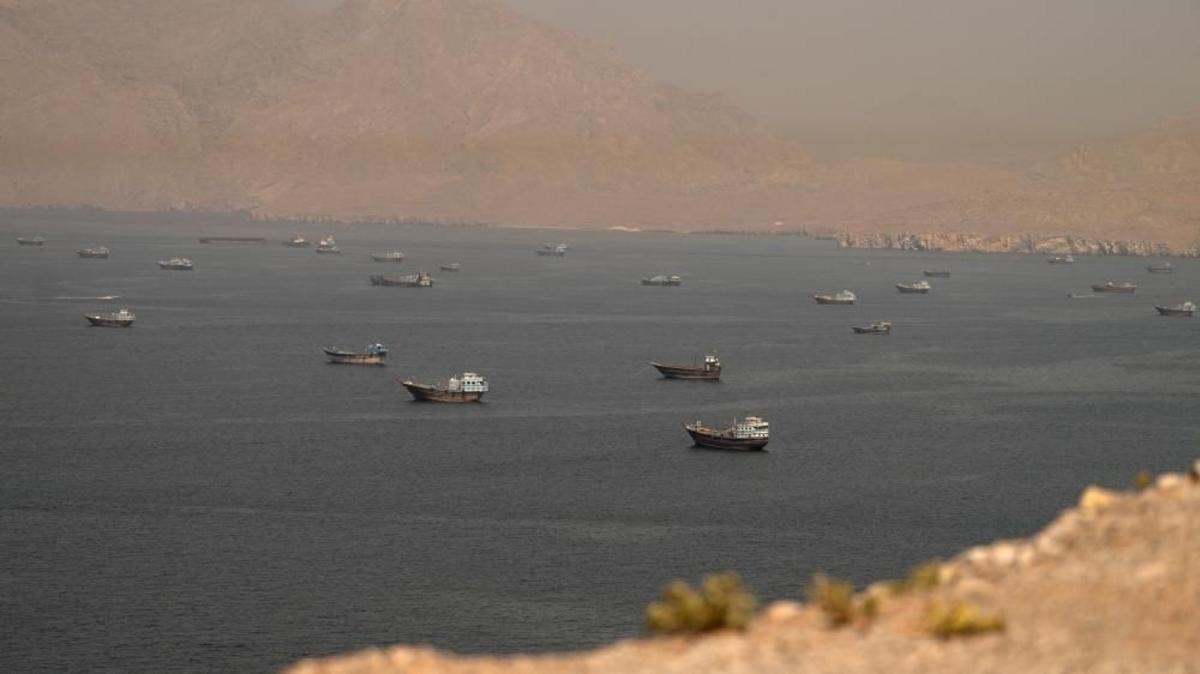
- U.S. Central Command launched strikes on Iranian air defense systems, radars, and over 60 IRGC small boats, citing Iran's targeting of commercial shipping in the Strait of Hormuz as the trigger
- Iran's Revolutionary Guard struck U.S. military installations in Bahrain — home to the U.S. Navy's 5th Fleet — and Kuwait, home to U.S. Army forces, with both countries sounding missile alerts Wednesday morning
- The U.S. revoked a license that had allowed Iran to openly sell oil on the international market for U.S. dollars, its first such authorized crude sales in years
- The strikes came during the dayslong funeral for Ayatollah Ali Khamenei, killed Feb. 28 at age 86 in the war's opening moments; final-deal negotiations had been scheduled to begin after his burial Thursday
- One LNG tanker traveling off Oman's coast was hit and caught fire; two other ships sustained damage but continued through the strait, the U.K. Maritime Trade Operations center said
- Iran's Parliament Speaker Mohammad Bagher Qalibaf declared on X: "The era of bullying and extortion is over. We don't fold," as the Guard accused the U.S. of violating the Islamabad ceasefire understanding
- A fifth of all globally traded oil and natural gas transited the Strait of Hormuz in peacetime, and Iran has maintained a chokehold on the waterway since the war began
Why it matters: With Bahrain and Kuwait — both hosting major U.S. military installations — now in the crossfire, the conflict risks widening beyond Iran's borders and breaking the interim 60-day shipping ceasefire. The oil license revocation strips Iran of its last legal channel for dollar-denominated crude sales, hitting Tehran's revenue at the same moment military escalation is accelerating.
Ask SkimNews