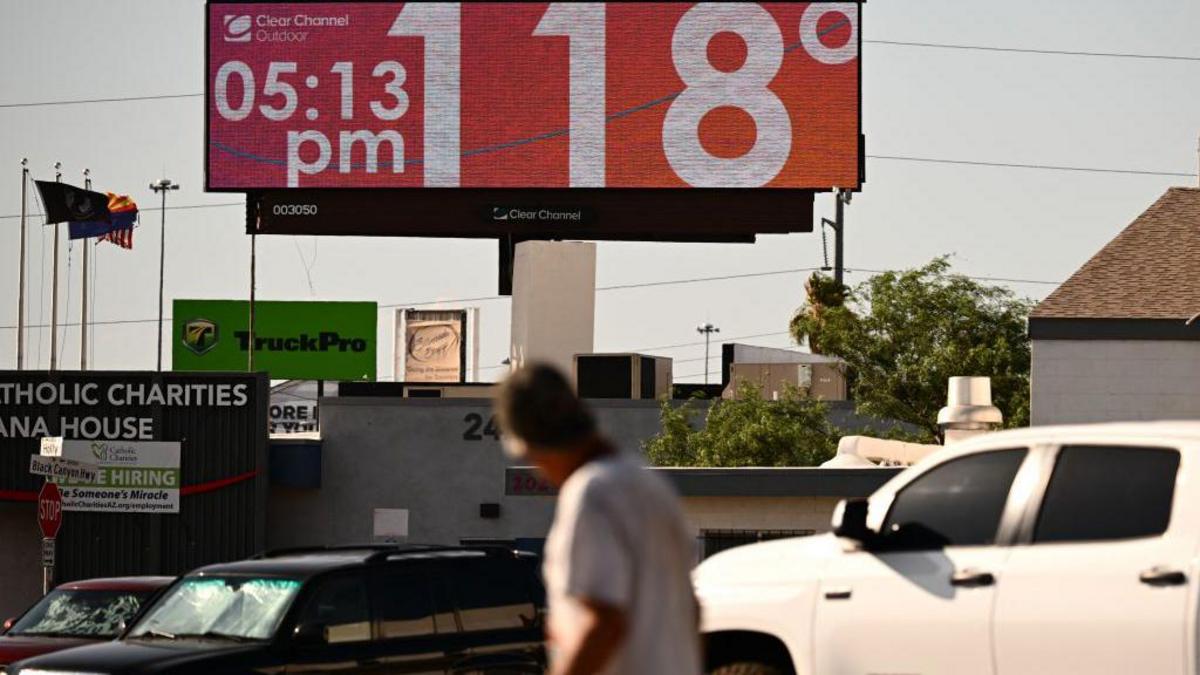
25 Heatwave Survival Tips From World's Hottest Experts

Get the Energy newsletter
Daily energy & climate — solar, EVs, oil, the policy fights and tech bets shaping the transition. Free.
- Despina Savvidou, a 48-year Athens Acropolis tour guide, says climate breakdown has shifted baselines: 32C was extreme 40 years ago but is now "normal," and her earliest tour starts at 7:45am to beat the heat before the site opens at 8am.
- Sicily holds continental Europe's heat record at 48.8C on 11 August 2021 and now bans outdoor work in construction and agriculture from 12:30pm to 4pm throughout summer, after residents felt "overwhelmed" during that heatwave.
- Prof Ollie Jay of the University of Sydney recommends splitting your water — drink half, pour the other half on your skin for evaporative cooling without the "physiological stress of having to sweat" — and developed Tennis Australia's ice-towel policy for players' 80-second chair breaks.
- Lytton, British Columbia became Canada's hottest place on record for three days running in June 2021, reaching 49.6C; local medical health officer Dr Michael Schwandt says immersion — even a child's legs in a bucket — is one of the best ways to cool small children quickly.
- Dr Sherene M El-Sioufi, a pulmonary and sleep medicine doctor in Jeddah, dispels two myths: that "less clothing is better" (loose flowing garments block sun while allowing airflow) and that cold showers cool best (lukewarm showers let the body cool gradually).
- Greek and Andalucían eating patterns shift to late lunches (2-3pm) and dinners after 9pm with light dishes — Savvidou's vegetables in olive oil with feta and a big salad, a Seville grandmother's gazpacho and salmorejo, while Indian cooling drinks like aam panna and chaas replace fluids and electrolytes.
- Egyptian archaeologist Dr Zahi Hawass warns against waiting until thirsty at sites like Saqqara, while a Namibian wildlife ranger carries five litres daily — drinking three or four litres and pouring the remainder over his head when temperatures exceed 40C.
Why it matters: Climate breakdown is forcing concrete adaptations at every level: Sicily has codified a midday outdoor-work ban in construction and agriculture, and Australian university researchers built Tennis Australia's ice-towel cooling policy from evaporation science. The deeper value here is cultural — tested techniques from people who work in the world's hottest places, like the Ovahimba's butterfat-and-ochre sunscreen and Peru's pre-9am work start, offer practical templates as extreme heat becomes routine in regions that never had to plan for it.