Trump says Iran breaching oil ceasefire before talks — SkimNews
Get the Geopolitics newsletter
Daily geopolitics — wars, elections, sanctions, the diplomatic moves that move markets. Free.
- Trump posted that Iran was doing a “very poor job” of allowing oil through the Strait of Hormuz, saying “That is not the agreement we have!” on April 9.
- Iran kept its near‑total blockade of the strait, with only one oil products tanker and five dry bulk carriers passing in the first 24 hours of the ceasefire, far below the usual 140 ships a day.
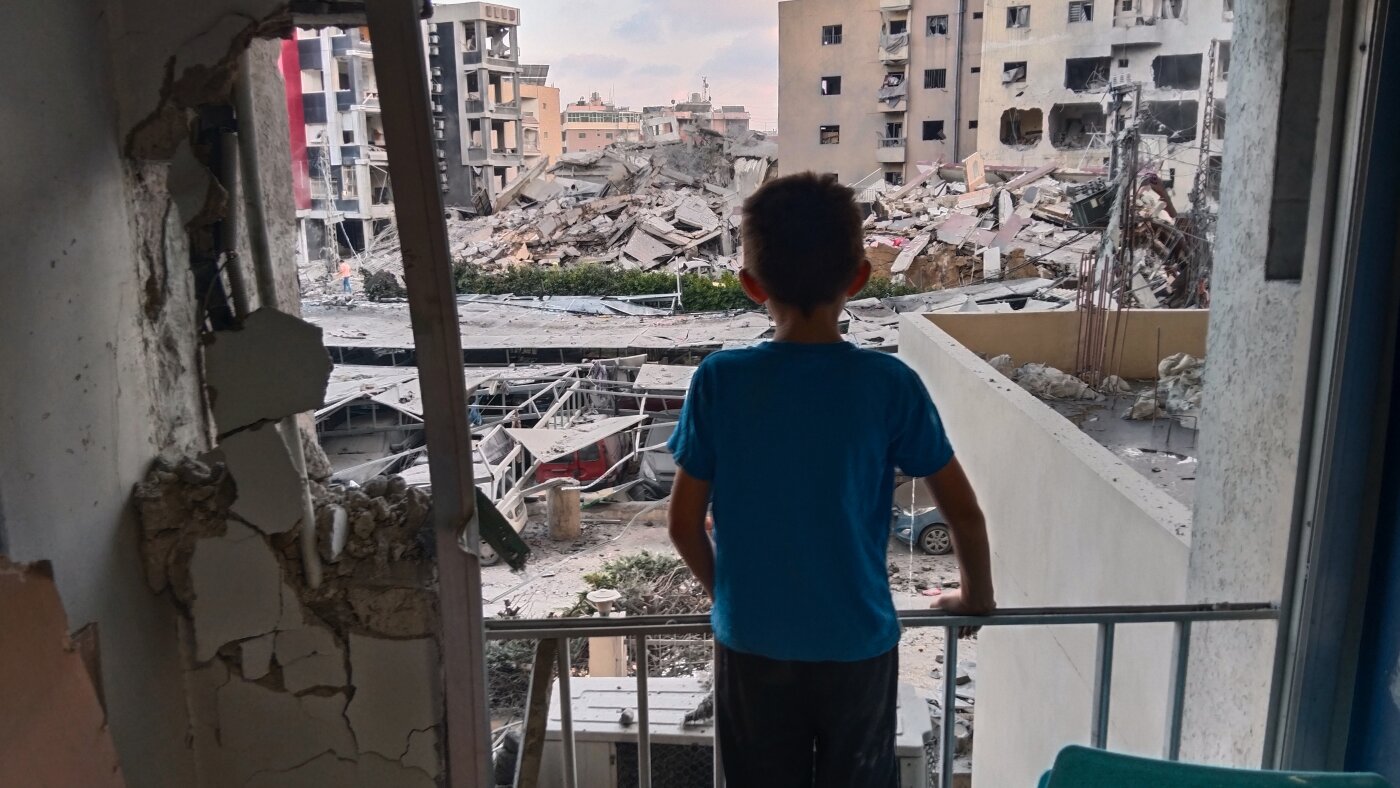
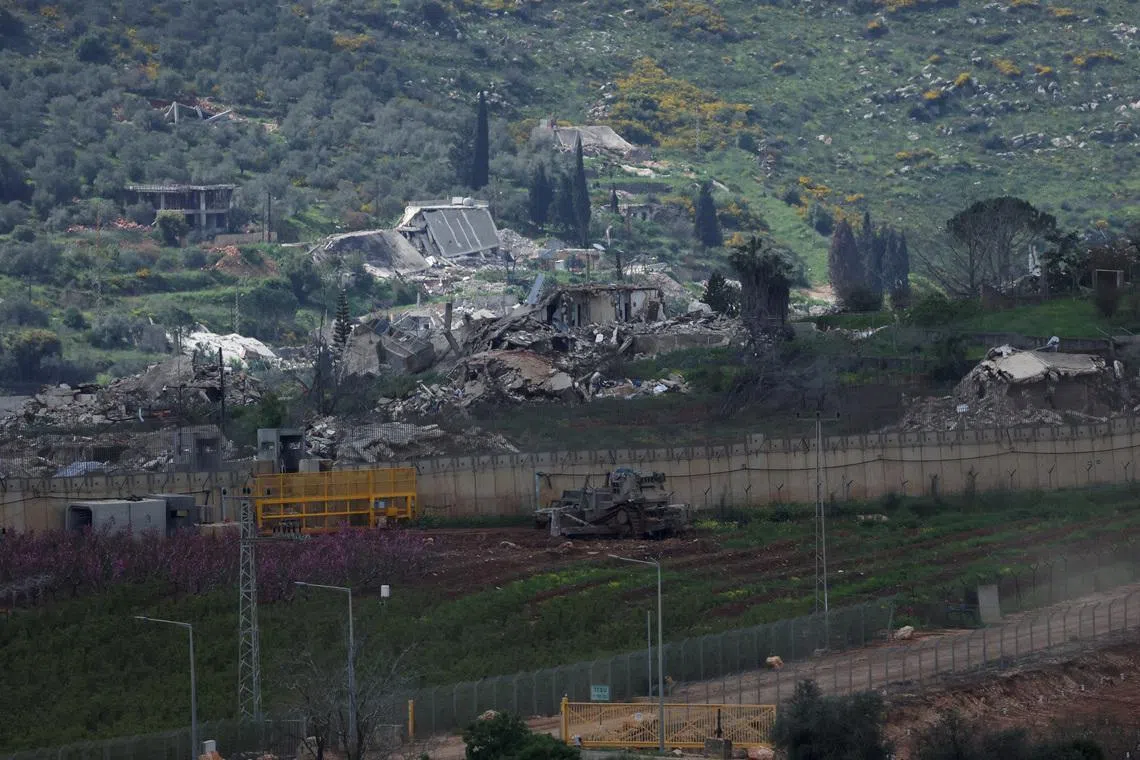
- Israel struck ten launchers in Lebanon on April 9 and reported a Hezbollah missile intercepted, while Hezbollah claimed it targeted Israeli infrastructure in Haifa.
- Mohammad Baqer Qalibaf said Lebanon and the broader “axis” of allies are inseparable parts of any ceasefire, countering US‑Israel statements that Lebanon was excluded.
- Ayatollah Mojtaba Khamenei warned on April 9 that Iran will demand compensation and retribution for “criminal aggressors” who attacked the country.
- Pakistan prepared for US‑Iran talks on April 11, with Iran’s 10‑point proposal (April 8) calling for control of the Strait of Hormuz, recognition of Iran’s right to nuclear enrichment, sanctions relief, and an end to the war, including against Hezbollah.
- Benjamin Netanyahu said he has instructed to start peace talks as soon as possible, aiming to disarm Hezbollah and establish peaceful relations with Lebanon.
Why it matters: The continued blockade of the Strait of Hormuz keeps global oil and LNG flows at a fraction of normal levels, while Iran’s demands and Israel’s Lebanon strikes complicate the upcoming US‑Iran talks in Pakistan, threatening both regional stability and energy markets.
Ask SkimNews