Iran closes Hormuz, Israel intensifies Lebanon strikes — SkimNews
Get the Geopolitics newsletter
Daily geopolitics — wars, elections, sanctions, the diplomatic moves that move markets. Free.
- Iran closed the Strait of Hormuz again in response to Israeli attacks in Lebanon, prompting the White House to call the closure “completely unacceptable” and demand reopening.
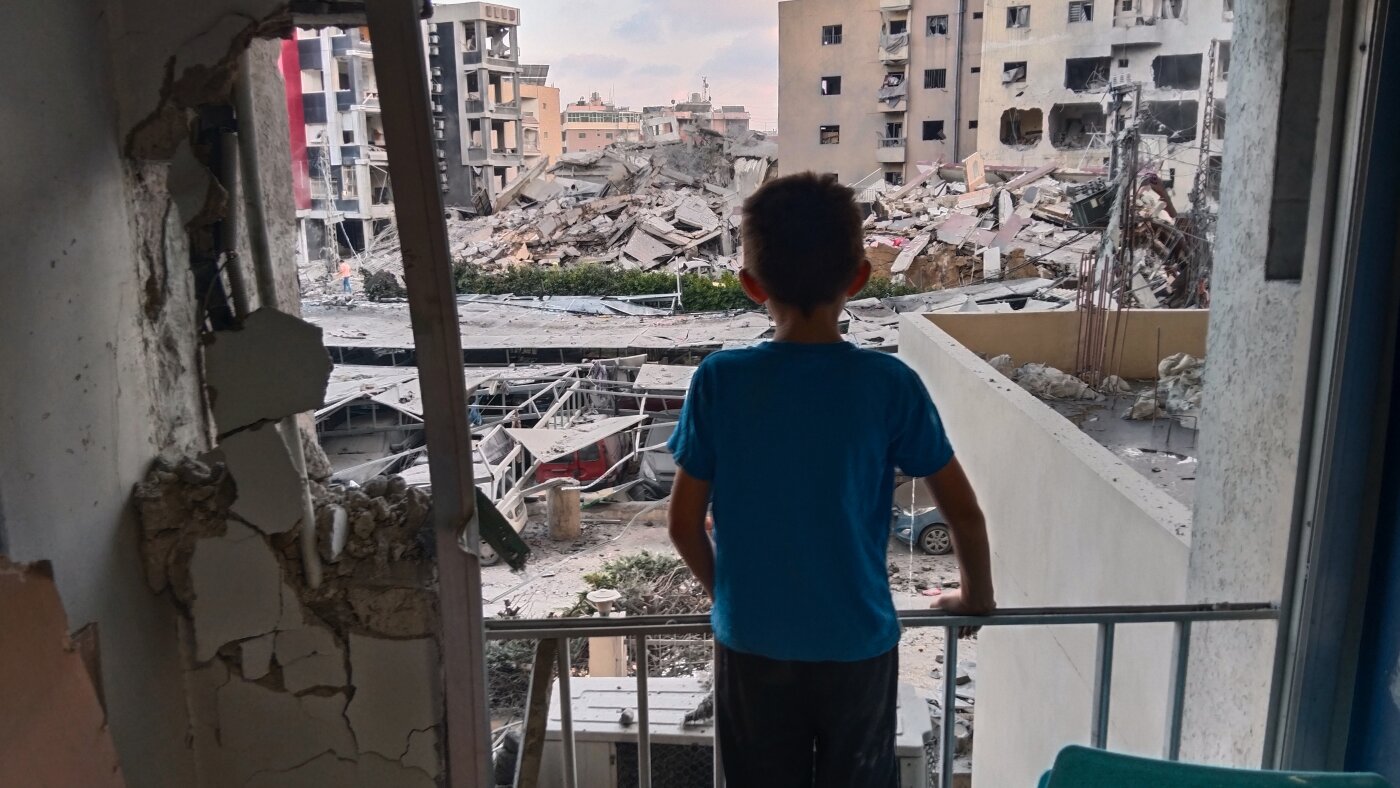
- Israel intensified its campaign against Hezbollah, launching more than 100 targets across Lebanon in a ten‑minute wave and killing 182 people in Beirut, the deadliest day of fighting.
- U.S. Vice President JD Vance called the ceasefire “fragile” and said he would lead American negotiators in upcoming talks possibly starting in Pakistan as early as Friday.
- Pakistan’s prime minister, acting as mediator, claimed the ceasefire applied “everywhere including Lebanon and elsewhere,” contradicting statements from Israeli PM Netanyahu and U.S. President Trump that Lebanon was excluded.
- Abbas Araghchi said the deal would let Iran formalize tolls on ships passing the Strait of Hormuz, a move the White House opposed, while also demanding US troop withdrawal, sanction lifts and release of frozen assets.
- Hezbollah has not confirmed compliance with the ceasefire and announced it would fire rockets at northern Israel until Israeli‑American aggression stops.
- Trump said the United States would work with Iran to dig up and remove buried enriched uranium, though Iran did not confirm the plan and the fate of its nuclear program remained unclear.
Why it matters: The ceasefire's fragility leaves regional economies and global oil markets at risk: Iran gains leverage by imposing tolls on the Hormuz strait, while the U.S. and Israel risk losing diplomatic credibility if fighting resumes, and civilians in Lebanon bear the brunt of intensified strikes.
Ask SkimNews