US-Iran Talks Open as Lebanon Strikes Threaten Deal — SkimNews
Get the Geopolitics newsletter
Daily geopolitics — wars, elections, sanctions, the diplomatic moves that move markets. Free.
- Iran announced it had re-closed the Strait of Hormuz citing Israel's attacks in Lebanon, while the U.S. countered that Iran 'does not control' the waterway and that 55 merchant ships carrying more than 17 million barrels of oil transited on Saturday.
- Trump threatened to impose American tolls on the strait if a final deal with Iran is not reached within the agreement's 60-day window, telling Tehran the money would fund U.S. 'services rendered as the Guardian Angel to the countries of the Middle East.'
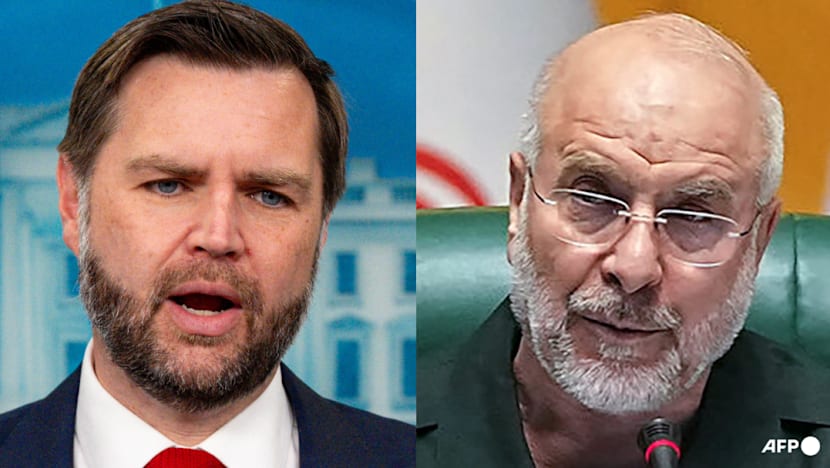
- Iran's delegation, led by parliamentary Speaker Mohammad Bagher Qalibaf and including Foreign Minister Abbas Araghchi and central bank and oil officials, arrived in Switzerland; Vice President JD Vance, Jared Kushner, and Steve Witkoff were already there, with talks now set for Sunday after Iran canceled Friday's start over Lebanon fighting.
- Israeli strikes on southern Lebanon on Saturday killed at least 16 people, including two children, with seven people trapped under rubble in Nabatiyeh; the Israeli military said Hezbollah fired more than 50 projectiles overnight and that five Israeli soldiers were killed in the past 48 hours.
- Lebanon's health ministry put the death toll in the Israel-Hezbollah war at more than 4,000, while a Hezbollah official told AP that Iran informed the group it would not reopen the strait until Israel publicly commits to a 'comprehensive ceasefire' in Lebanon and ends military operations there.
- The interim deal, signed by Trump and Iranian President Masoud Pezeshkian, gives negotiators 60 days to reach a nuclear agreement (extendable) and calls for billions of dollars in Iranian assets to be unfrozen; a new round of U.S.-backed talks between the Lebanese government and Israel is expected in Washington next week.
Why it matters: The interim deal is the first concrete output of the U.S.-Iran war, and the 60-day clock is now colliding with active combat on a front neither Israel nor Hezbollah signed onto — meaning Tehran holds its nuclear leverage hostage to a battlefield it doesn't control, while the U.S. has already lifted Iran's port blockade and is allowing Tehran to sell oil freely, a trade-off that is already drawing congressional questions about whether the war was worth it.
Ask SkimNews