US, Iran Begin Buergenstock Talks as Hormuz Re-Closes — SkimNews
Get the Geopolitics newsletter
Daily geopolitics — wars, elections, sanctions, the diplomatic moves that move markets. Free.
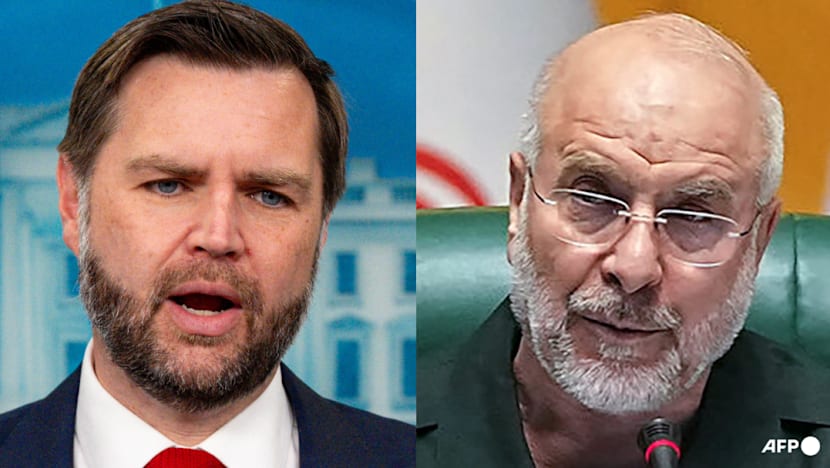
- US and Iran began one-day peace talks Sunday (Jun 21) at the Qatari-owned Swiss resort of Buergenstock, with Vice President JD Vance leading the US delegation opposite Iranian Parliament Speaker Mohammed Bagher Ghalibaf, and Qatar and Pakistan serving as mediators.
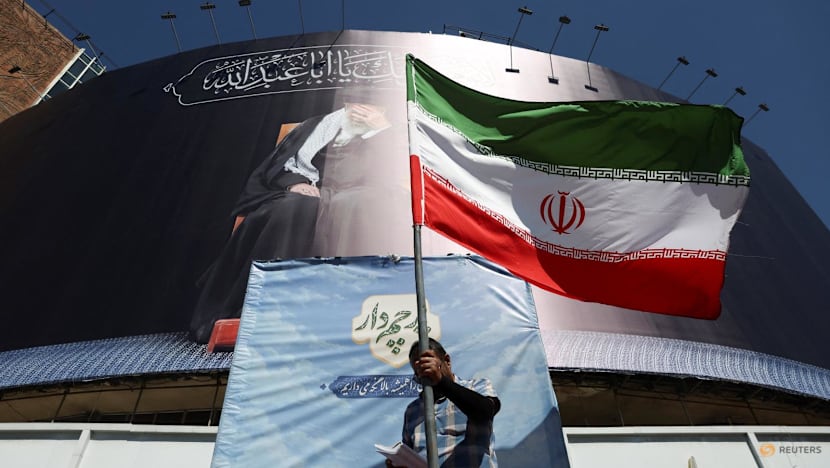
- Iran announced Saturday it had reimposed its blockade of the Strait of Hormuz, a waterway carrying a fifth of global oil supplies, though US officials disputed the closure and said 55 merchant ships crossed Saturday.
- Iran's foreign ministry spokesperson Esmail Baqaei said the talks would cover only implementation of last week's memorandum, not substantive issues like nuclear curbs, because Washington had failed to guarantee a ceasefire in Lebanon.
- Vance told reporters he hoped to make progress on the nuclear issue and Lebanon ceasefire; oil prices have tumbled to levels unseen since the February war started, but the Hormuz re-closure could send them surging when markets reopen Monday.
- Lebanese authorities reported 20 people killed Saturday in Israeli attacks, with the army still working to dismantle 1,000- and 2,000-pound unexploded bombs in southern towns, and Israel saying it will not withdraw from territory it seized in Lebanon.
- The war's three stated objectives — destroying Iran's nuclear program, halting its missile and proxy threats, and enabling regime change — have not been achieved, per US officials, and a Hebrew University poll found 92% of Israelis believe Iran benefited more than Israel from the campaign.
- The memorandum of understanding foresees 60 days of talks on curbing Iran's nuclear program in exchange for lifting international sanctions, with Iran expected to receive initial economic benefits including sanctions waivers and unfrozen assets.
Why it matters: The memorandum Trump signed specifically to avert an oil-price-driven global depression now faces its own trigger: Iran's Hormuz re-closure could spike crude when markets reopen Monday, while continued Israeli strikes in Lebanon — and Israel's refusal to withdraw from seized territory or even participate in the talks — undermine the ceasefires the deal explicitly depends on.
Ask SkimNews