186-Study Review Endorses Hydrogel Battery Electrolytes — SkimNews
Get the Energy newsletter
Daily energy & climate — solar, EVs, oil, the policy fights and tech bets shaping the transition. Free.
- University of Limpopo researchers published a systematic review in the Journal of Electroanalytical Chemistry covering 186 hydrogel studies conducted between 2008 and 2025, the largest such synthesis to date.
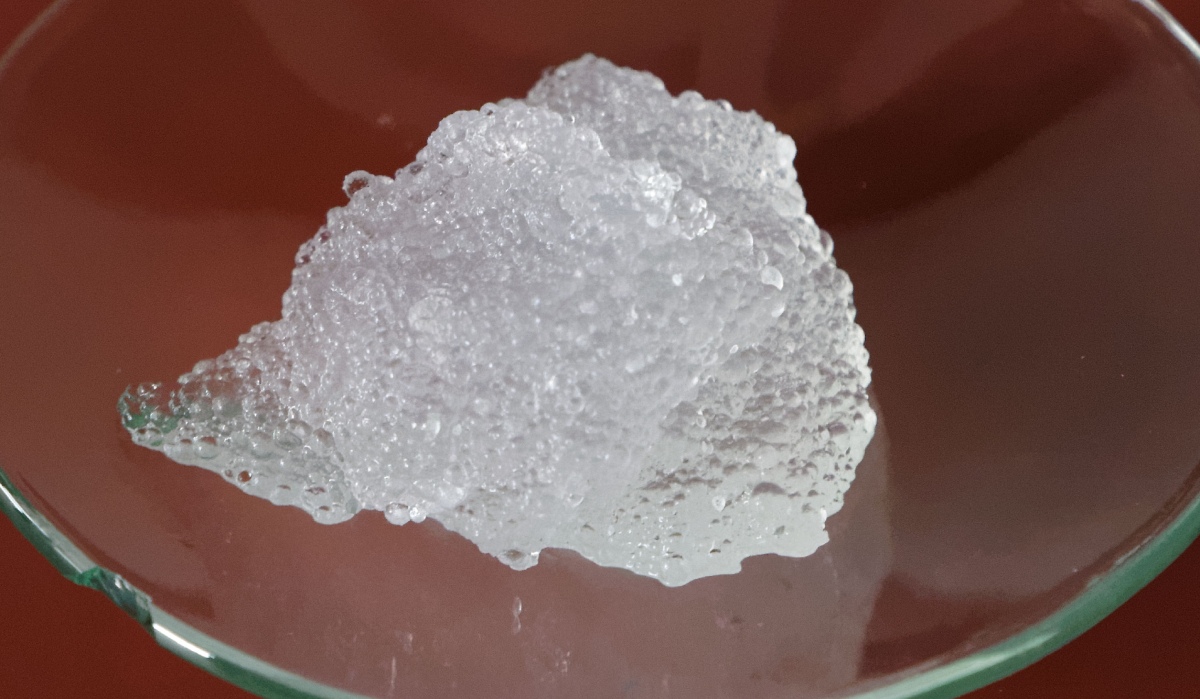
- Conductive hydrogels are positioned as a credible electrolyte candidate, with the review highlighting flexible and wearable applications as the strongest near-term fit, followed by stationary storage and lithium/sodium chemistries.
- Water-based hydrogel electrolytes eliminate the thermal runaway risk associated with conventional organic electrolytes, and the source notes the materials do not leak and can self-repair.
- A silicon nanoparticle-polyaniline composite electrode paired with an in-situ polymerised hydrogel delivered 1,600 mAh/g over 1,000 deep cycles, with 99.8% average coulombic efficiency from the second cycle onward.
- First-cycle efficiency for that same lithium-ion configuration sat at approximately 70%, a figure the source flags as a known unresolved issue for silicon anodes rather than a hydrogel-specific problem.
- Commercial viability remains uncharacterized, and the source notes performance varies significantly across lithium, sodium, and zinc-ion chemistries.
Why it matters: Stationary battery developers gain a peer-reviewed, water-based alternative to flammable organic electrolytes backed by a 17-year synthesis, but the 70% first-cycle efficiency for the standout silicon-anode result — and the absence of commercial pathway data — means the technology remains a credible research candidate rather than a near-term deployment option.
Ask SkimNews