Lough Neagh eyes Spain's legal personhood fix
Get the Energy newsletter
Daily energy & climate — solar, EVs, oil, the policy fights and tech bets shaping the transition. Free.
- Lough Neagh has been hit by potentially toxic blue-green algal blooms each summer since 2023, driven primarily by agricultural runoff and wastewater pollution.
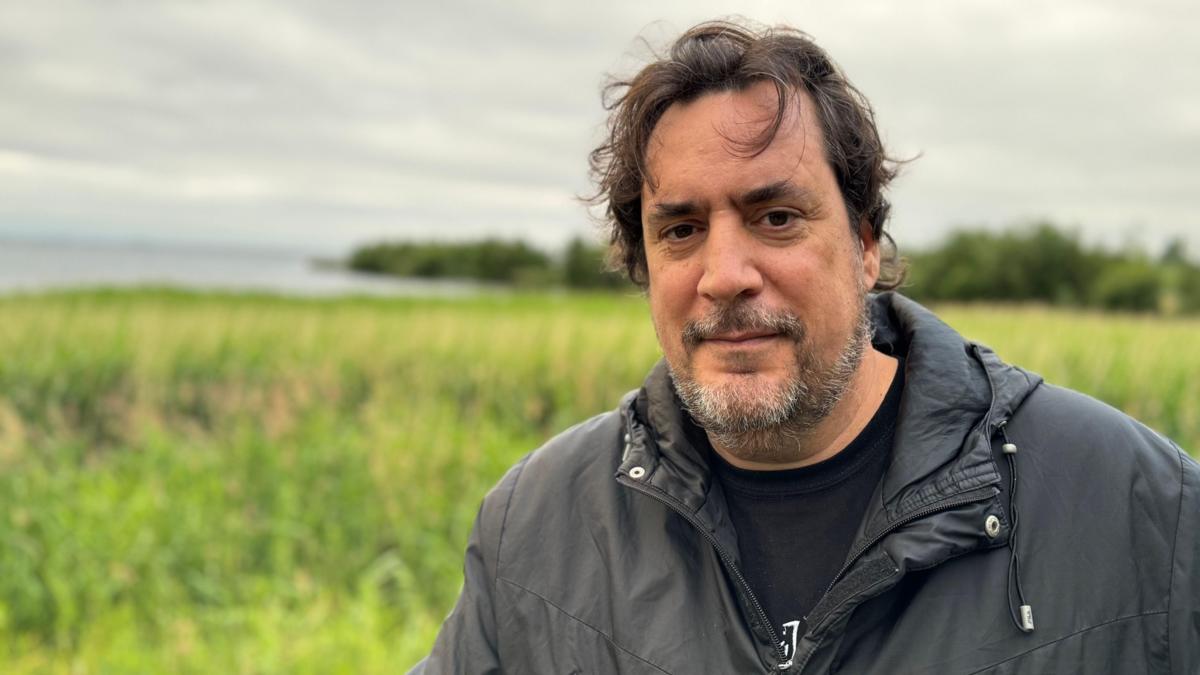
- Prof Eduardo Salazar-Ortuño led the successful campaign to grant Spain's Mar Menor lagoon Rights of Nature recognition after 85% of its marine prairies collapsed in a 2016 algal die-off, and told Belfast delegates the same approach could "transform" Lough Neagh's future.
- Mar Menor's recognition came after 600,000 Murcians signed a petition; the lagoon now has its own tax number and a guardianship allowing any citizen to sue polluters, and Spain's environmental ministry has since invested over €600 million (£517.5m) in restoration.
- The Climate Justice Group at the Law Society of Northern Ireland convened lawyers, fishermen, conservationists and policy-makers in Belfast earlier this month to examine applying the Spanish model locally.
- Group chair Simon Chambers called Lough Neagh a "glaringly obvious" focus and said the Mar Menor precedent could inspire a future generation of Northern Irish lawyers.
- The Republic of Ireland is separately considering a referendum to embed Rights of Nature in its constitution, while stormier 2025 weather has suppressed—but not eliminated—algal blooms on the lough.
Why it matters: Mar Menor's legal personhood unlocked €600m (£517.5m) in Spanish restoration funding and lets any citizen sue polluters on the lagoon's behalf; the same mechanism would give Northern Irish citizens direct standing to act on Lough Neagh's behalf, replacing the indirect, human-centered environmental law that has failed to halt blooms since 2023.