Australia Warns China on Missile Test, Hormuz Chokepoint — SkimNews
SkimNews Take
Australia pairing South China Sea grievances with Strait of Hormuz appeals treats Beijing as a stakeholder in Middle Eastern energy security, implicitly extending China's expected sphere of responsibility past its maritime periphery.
Get the Geopolitics newsletter
Daily geopolitics — wars, elections, sanctions, the diplomatic moves that move markets. Free.
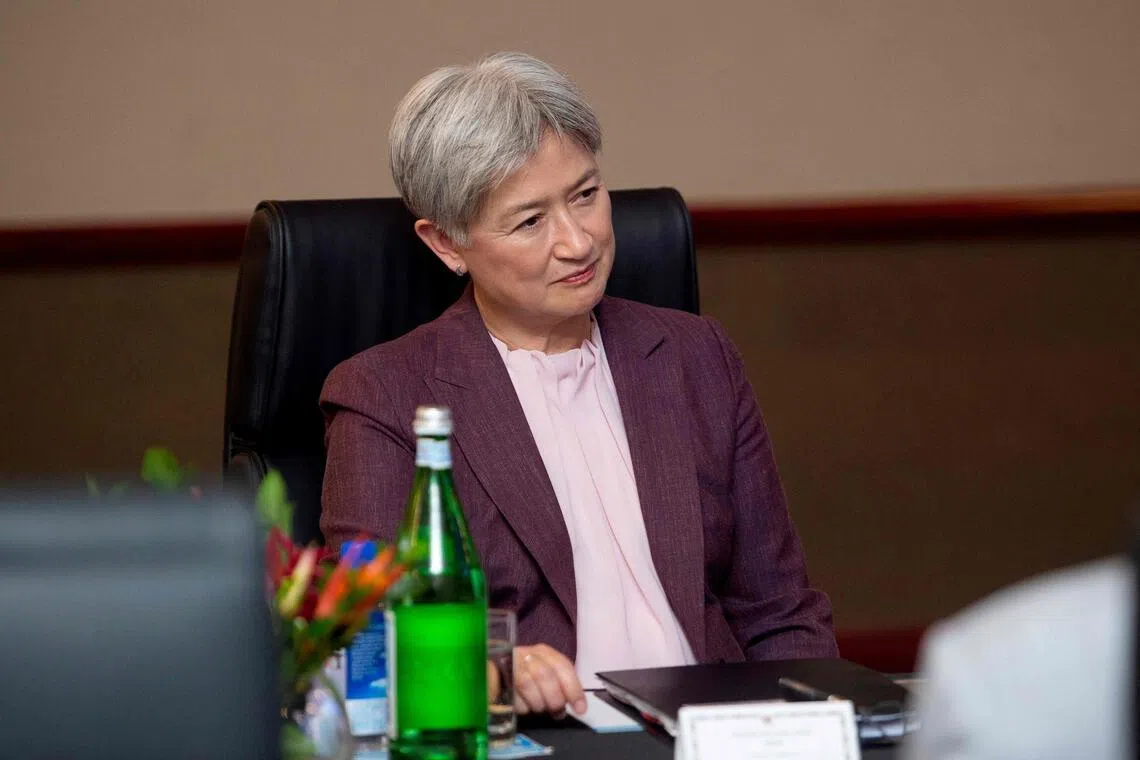
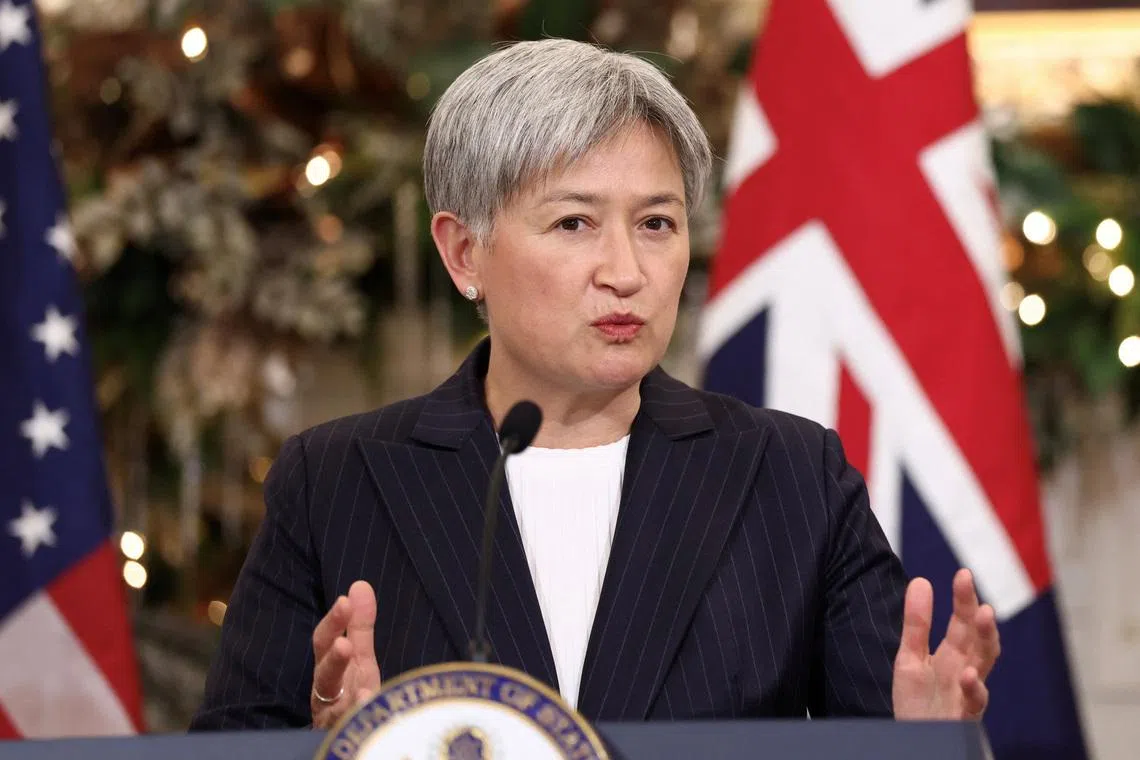
- Penny Wong will warn China its military and nuclear buildup, including a recent submarine-launched missile test, is seen as 'provocative and destabilising' due to lack of transparency, during her speech at the ASEAN meeting in the Philippines
- China conducted a nuclear-capable submarine-launched missile test in the South China Sea in July with minimal notification, which Australia has formally criticized as part of a broader pattern of destabilising conduct
- Philippine military accused the China Coast Guard of assaulting a Filipino sailor with a baton on a disputed shoal, prompting Wong to reaffirm concerns over China’s actions toward vessels from the Philippines, Vietnam, Malaysia, and Indonesia
- Anthony Albanese expressed concern over the long-range capabilities of China’s missile test, noting it could cause 'considerable, considerable damage' if weaponised, following Australia’s new defence pact with Fiji
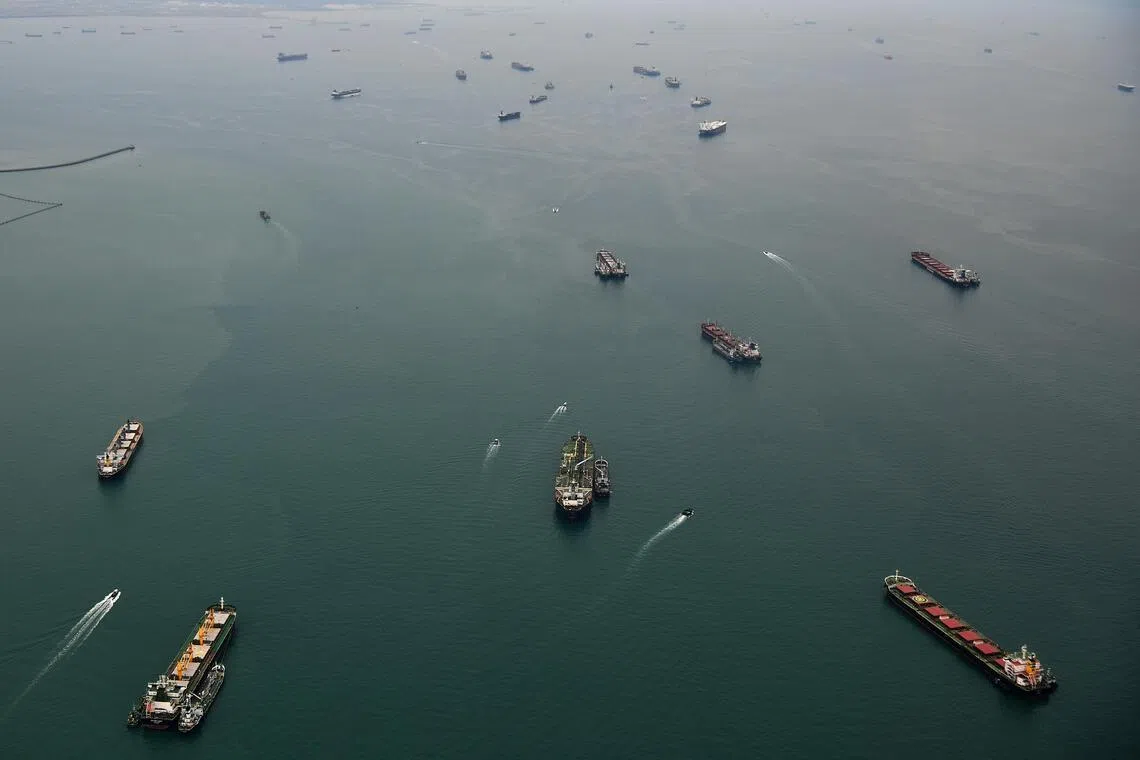
- Penny Wong warned Asean leaders that weaponising the Strait of Hormuz would impose grave costs on Southeast Asia, as energy prices spike and fuel in some Australian cities exceeds 220 cents per litre for diesel and 187 for petrol
- Brent crude oil prices surged 23% over two weeks amid renewed US-Iran strikes and Houthi blockades, driving up regional energy costs and increasing pressure on food production and household budgets
Why it matters: Australia is formally challenging China’s maritime conduct while linking Middle East instability to regional economic pain—fuel prices above 220 cents per litre create immediate cost-of-living pressure, and Australia’s diplomatic stance signals deeper alignment with Southeast Asian nations dependent on open sea lanes.
Ask SkimNews