Wong to Warn China Won't Be Bullied at ASEAN Talks
Get the Geopolitics newsletter
Daily geopolitics — wars, elections, sanctions, the diplomatic moves that move markets. Free.
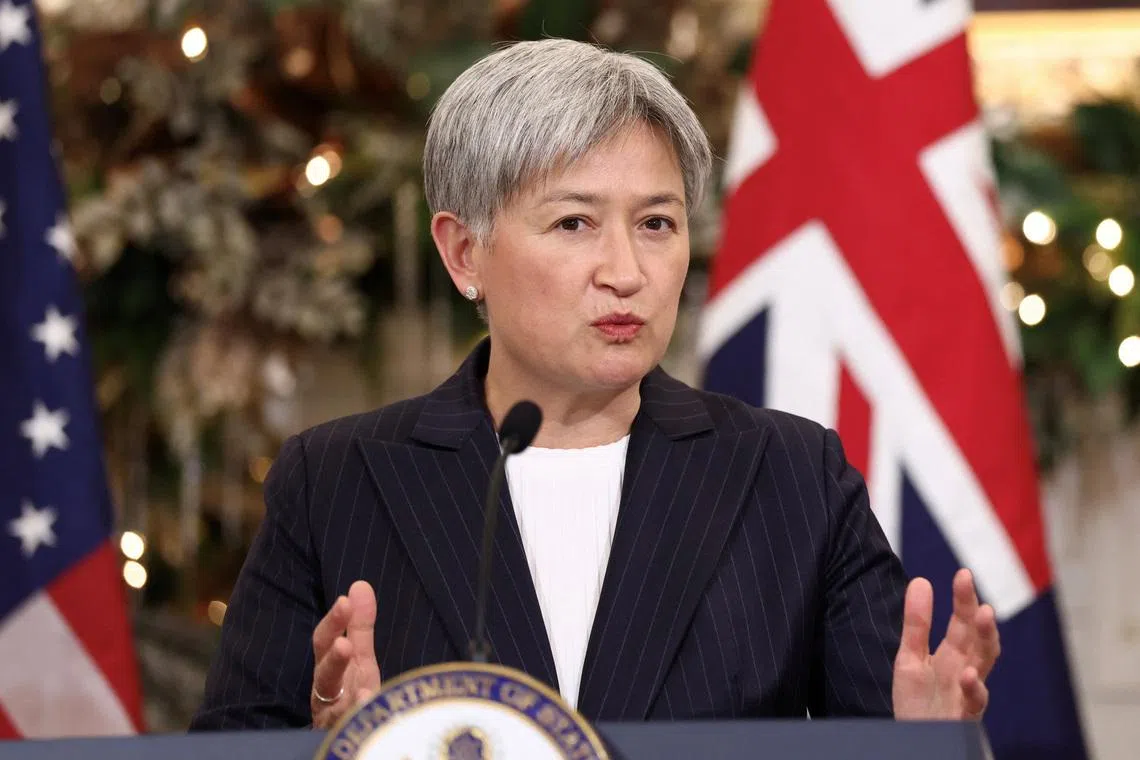
- Penny Wong will label China's early-July nuclear-capable submarine-launched missile test in the South China Sea "provocative and destabilising," saying China's rapid military and nuclear buildup lacked the transparency the region expects.
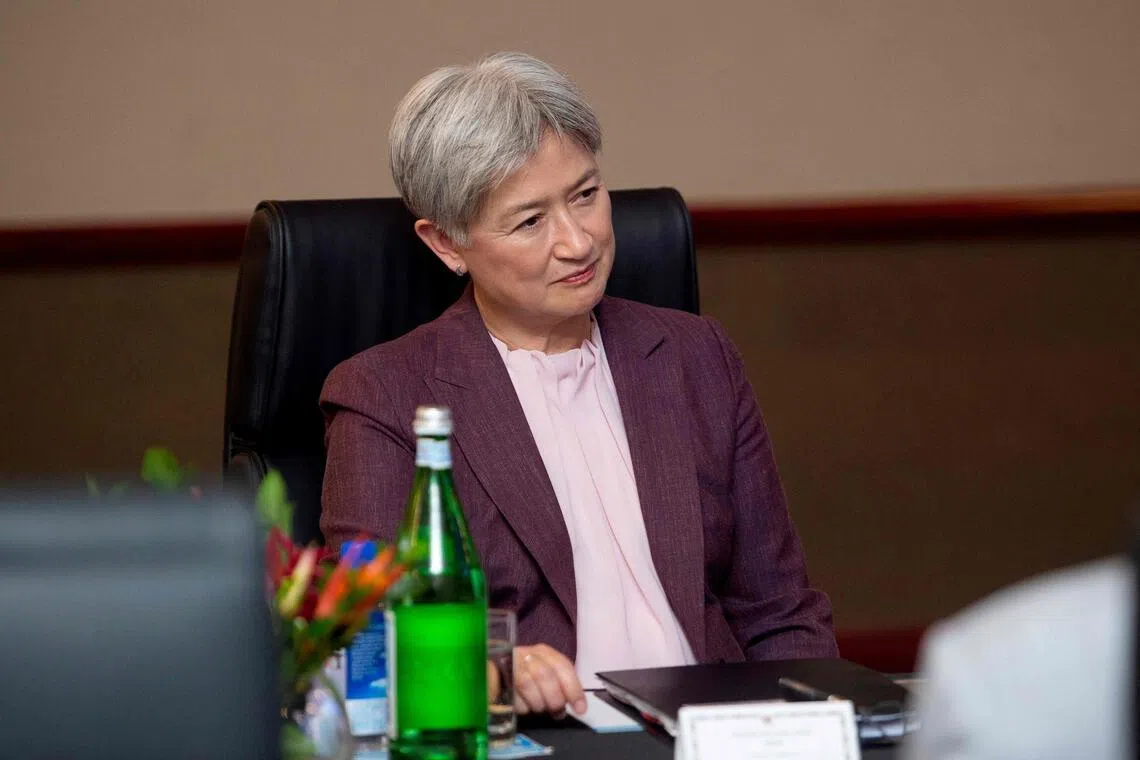
- Wong met China's foreign minister Wang Yi on Tuesday AEST on the ASEAN sidelines — their 12th meeting — after the China Coast Guard allegedly clubbed a Filipino sailor with a baton on a disputed South China Sea shoal; she will register continued concerns over Chinese conduct toward Philippine, Vietnamese, Malaysian, and Indonesian vessels.
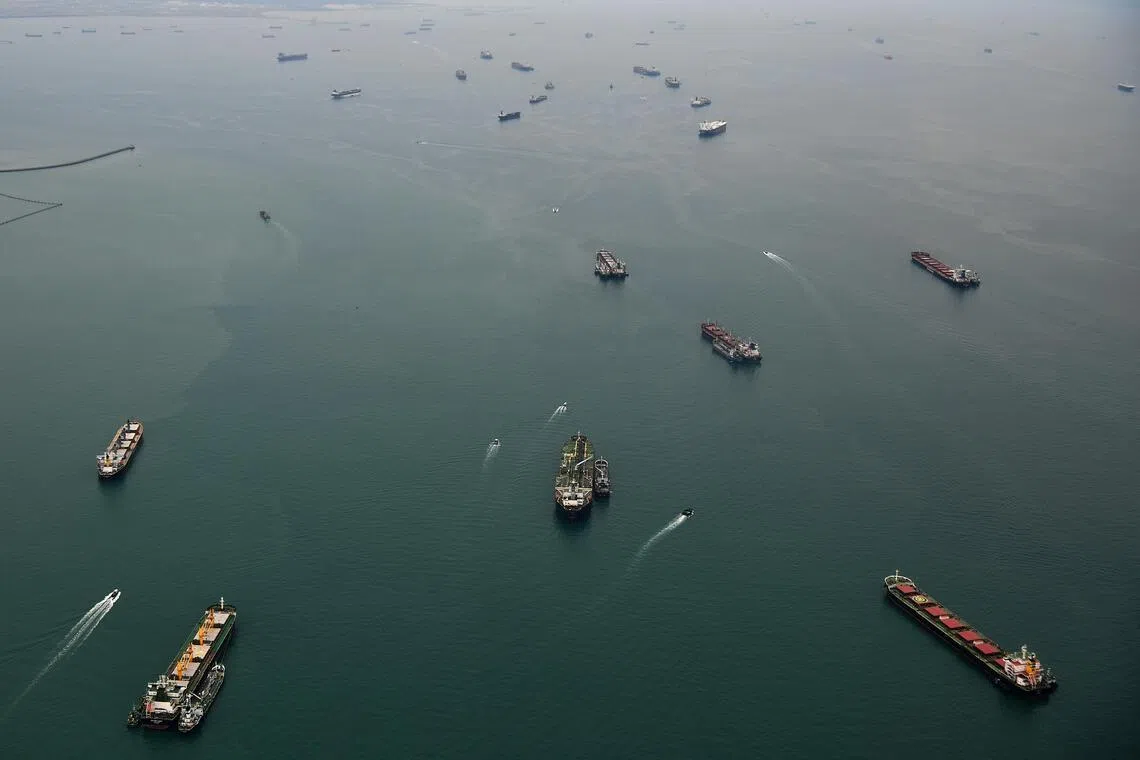
- Wong will warn ASEAN that "people suffer when a strait is weaponised," noting Southeast Asia's dependence on fuel and fertiliser flowing through the Strait of Hormuz and pressure on regional food production.
- The US-Iran conflict escalated this week with consecutive US strikes on Iran; Iran's president declared a "full-scale war," and Iran-allied Houthis announced a blockade of Saudi ports.
- Oil markets reacted sharply: Brent crude surged 23% over two weeks to near $US90/barrel, driving Australian fuel prices up 40 cents in three weeks, with diesel above 220 cents/litre and petrol above 187 cents/litre in some cities.
- China's long-range missile test in the South Pacific came hours after Australia signed a defence agreement with Fiji, prompting PM Anthony Albanese to flag the weapon's potential to cause "considerable damage."
Why it matters: Wong is explicitly tying two flashpoints — China's South China Sea aggression and the Iran-driven Hormuz crisis — into one ASEAN-stage message about regional energy and food security. Australian fuel has already jumped 40 cents in three weeks, Commonwealth Bank's chief economist is flagging a possible return of the 32-cent fuel excise, and Wong is asking ASEAN to help plug Australia's supply gaps.