How conflict minerals fuel war in eastern DR Congo amid US sanctions — SkimNews

Get the Geopolitics newsletter
Daily geopolitics — wars, elections, sanctions, the diplomatic moves that move markets. Free.
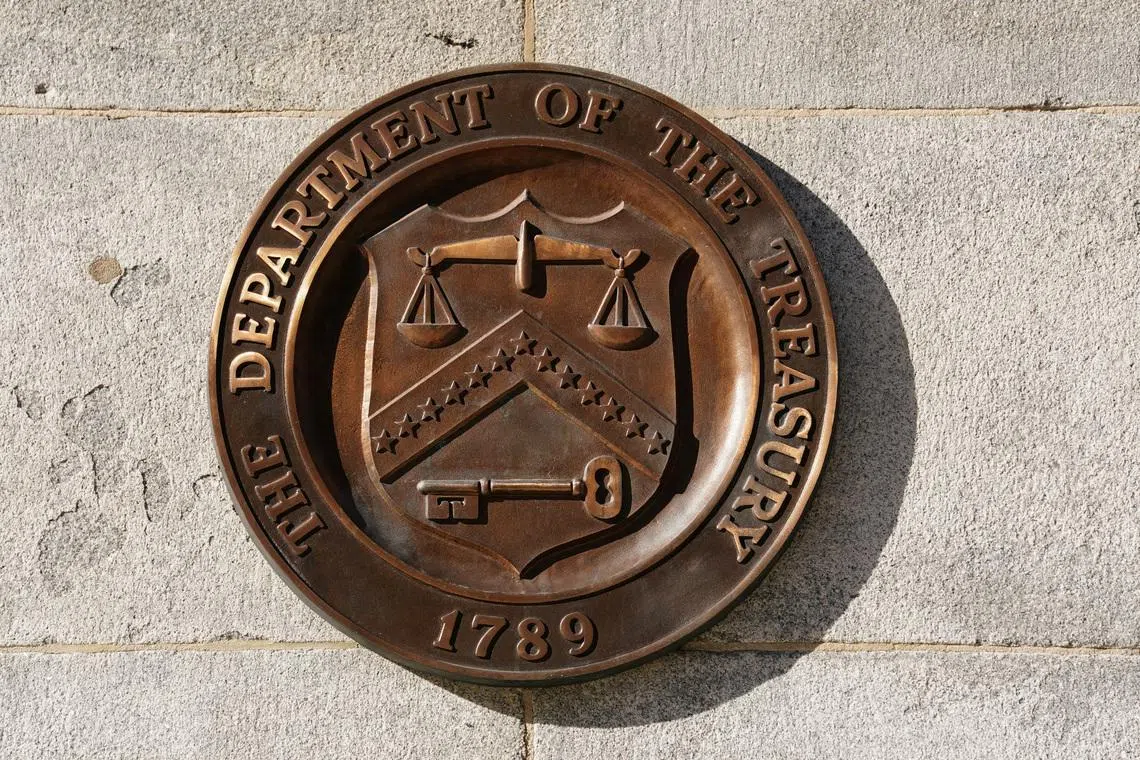
- US Treasury sanctioned Rwandan nationals Jean Malic Kalima (Gasabo Gold Refinery chairman) and Bosco Kayobotsi (managing director), plus four Rwanda-based firms — Gasabo Gold Refinery Ltd, Bugambira Mines Ltd, Wolfram Mining and Processing Ltd, and Rwinkwavu Mining Corporation Ltd — for allegedly smuggling DRC minerals to finance M23.
- Rwanda rejected the measures as "biased" and "unjustified," with Foreign Minister Olivier Nduhungirehe arguing that sanctions alone have never ended the eastern DRC conflict and that lasting solutions require shared regional responsibility.
- UN Panel of Experts findings reported that large volumes of coltan continue moving monthly from Rubaya into Rwanda following M23's 2024 takeover of the mine, and Global Witness traced links between eastern DRC mines and regional export networks allegedly controlled by a small group of companies.
- Kinshasa welcomed the move, with government spokesperson Patrick Muyaya accusing Rwanda of excelling as "plunderer, middleman and fence for resources extracted through massacres, rapes and bloodshed."
- M23 denied benefiting from mineral trade, with spokesperson Kambere Muyisa Lumumba saying local miners sell minerals independently while fighters provide security, and accusing Kinshasa of using trafficking allegations to distract from military and diplomatic setbacks.
- Economist Dady Saleh argued the eastern DRC wars of the past 30 years have been "economic in nature" and called Washington's latest move a "double-edged sword," noting Rwandan leaders previously had the US's "green light."
Why it matters: The action directly targets four Rwanda-based firms and two executives, choking a specific channel of rebel financing rather than issuing a blanket condemnation of Kigali — raising the diplomatic cost for Rwanda while leaving the broader cross-border mineral economy largely intact. Rwanda's outright rejection and M23's denial of involvement signal that the sanctions will not translate into immediate de-escalation, and Saleh's warning that Washington's previous permissive posture enabled the network underscores how much work the pressure campaign has left to do.
Ask SkimNews