ChemSec: Nearly All Top PFAS Makers Expanding for AI — SkimNews

Get the Energy newsletter
Daily energy & climate — solar, EVs, oil, the policy fights and tech bets shaping the transition. Free.
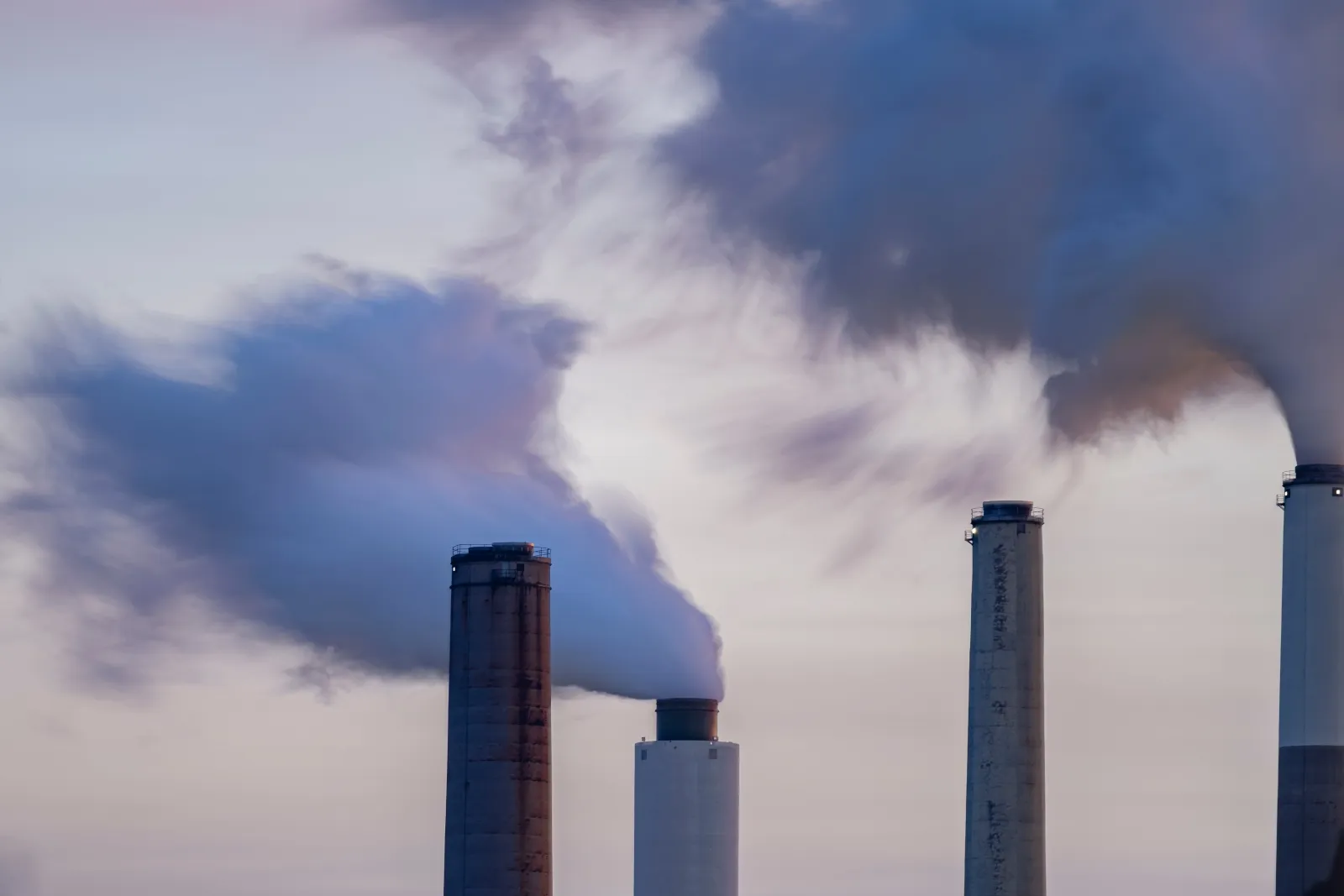
- ChemSec surveyed the 10 biggest PFAS manufacturers and found nearly all have plans to expand production at sites across Europe, Asia, and North America, with the AI boom cited as the primary demand driver.
- Daikin (Japan) is launching a 'datacentre hub' while Arkema (France) is building a $60m (£44m) refrigerant production unit in Kentucky — both explicitly framed around meeting AI datacenter cooling demand.
- Chemours (US), also expanding for AI hardware and 'liquid cooling solutions,' was recently ordered to pay $450m to settle a lawsuit over PFAS discharges — a contrast critics say shows the company downplaying toxicity and climate impact.
- PFAS are integral to semiconductor fabrication — used in as many as 1,000 distinct steps at the nanometric level per a Danske Bank investor note — and to two-phase immersion cooling systems that submerge servers in low-boiling-point PFAS fluid.
- Gujarat Fluorochemicals CEO Bir Kapoor identified lithium-ion battery coatings alongside datacenters, semiconductors, and green hydrogen as 'sunrise sectors,' a detail showing the EV and battery boom is a parallel demand driver often eclipsed by the AI narrative.
- Only BASF (exiting PFAS production by 2028) and Archroma (marketing PFAS-free alternatives) were clear exceptions to the expansion trend, demonstrating that phaseout is technically feasible.
- Scientists have linked PFAS to cancer, liver disease, kidney disease, high cholesterol, and birth defects; the chemicals are detected in the blood of more than 99% of people worldwide and have already breached a planetary boundary, according to researchers.
Why it matters: The AI boom's physical infrastructure is chemically inseparable from a documented public-health crisis: PFAS are already in nearly every person's blood and have breached a planetary boundary, yet nearly every major producer is scaling up to feed it. A Danske Bank note flags 'multibillion-euro remediation and litigation liabilities' as the hidden risk, and Chemours' recent $450m settlement shows that exposure is already materializing. The fact that BASF and Archroma have found exits makes the rest of the industry's expansion a deliberate choice, not an inevitability.
Ask SkimNews