North Korea fires Wonsan missile, Kim Yo Jong severs ties — SkimNews

Get the Geopolitics newsletter
Daily geopolitics — wars, elections, sanctions, the diplomatic moves that move markets. Free.
- North Korea fired a ballistic missile from Wonsan that traveled more than 700km, with South Korea's Joint Chiefs raising alert for further launches and Japan issuing an emergency alert.link ›
- Kim Yo Jong declared North Korea's intent to permanently cut inter-Korean ties on Sept. 30, one day before the Wonsan launch, calling Seoul's landmine-blast apology demands 'utterly pathetic.'link ›
- Lee Jae Myung pledged nuclear-powered submarines by the mid-2030s, high-energy laser interceptors, and AI-based missile-defense command systems in an Oct. 1 Armed Forces Day address at Gyeryong.link ›
- US Treasury sanctioned 10 individuals and firms in China, Pakistan, Turkiye, Iran, and Saudi Arabia — including Hong Kong-based EC Mojo Technology and its rep Li Fen — for supplying Iran's MODAFL.link ›
- India's S. Jaishankar publicly condemned Washington's 'self-centered' trade policies and flagged a 100% tariff threat tied to Russian oil purchases, a more confrontational posture than in prior cycles.link ›
- Malaysia began repatriating roughly 1,500 Rohingya to Myanmar on Sept. 29 despite UN warnings that conditions there remain unsafe for returnees.link ›
- US Supreme Court agreed to review Trump's policy of denying bond hearings to detained immigrants, with 9 of 11 federal circuits already finding the policy unlawful and the ACLU warning 'millions' could be affected.link ›
North Korea fired a ballistic missile 700km from Wonsan on Saturday, one day after Kim Yo Jong declared Pyongyang intends to permanently sever inter-Korean ties and called Seoul's demands over DMZ landmine blasts 'utterly pathetic.' Lee Jae Myung's response is the most ambitious defense upgrade Seoul has announced in a generation: nuclear-powered submarines by the mid-2030s, AI command systems, high-energy laser interceptors, and a renewed push to seize wartime OPCON from Washington. The peninsula has moved from standoff theater to hardware procurement on both sides. South Korea's national security office held an emergency session; the US and Japan are sharing intelligence in real time. Reconciliation is dead in word and in deed this week — what replaces it is an arms race with a deadline.
The stories behind this week
Trump's Iran Escalation Scenarios After the MidtermsThe analysis argues that none of Trump's escalation options — from renewed strikes to a million-troop invasion — would deliver decisive outcomes without imposing severe costs on the U.S. economy and Gulf energy supplies, and concludes the likeliest path is a revived deal that papers over the war's unresolved objectives.

Malaysia sends 1,500 Rohingya back to Myanmar despite UN warningsMalaysia's decision to send 1,500 Rohingya back to a country the UN still considers unsafe for them sets back regional refugee protection norms and leaves one of the world's most persecuted minorities without the sanctuary Malaysia had previously offered.

US sanctions 10 entities for allegedly supporting Iran’s militaryBy designating firms across five countries — including Chinese-linked entities just days after Trump's Xi summit — the Treasury is signaling that the Iran sanctions campaign will not pause for diplomatic openings with Tehran's largest trading partner. Saudi coordination on one designation shows the administration is selectively pulling regional partners into enforcement, while civilian aviation sanctions and the rial's record low show the pressure is now hitting ordinary Iranians as well as military procurement chains.
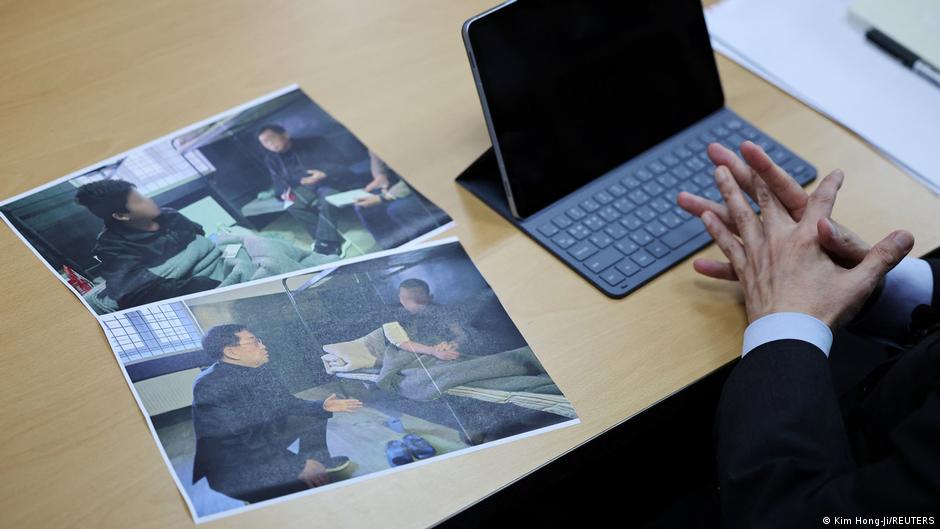
Zelenskyy UN POW Disclosure Sparks South Korea Diplomatic ClashSouth Korea currently delivers weapons to Poland, Finland, the Czech Republic, and Romania but not Ukraine directly; the clash now makes any future technology cooperation or indirect military ties less likely, while Lee's outreach to both North Korea and Russia signals Seoul is prioritizing inter-Korean détente over backing Kyiv.
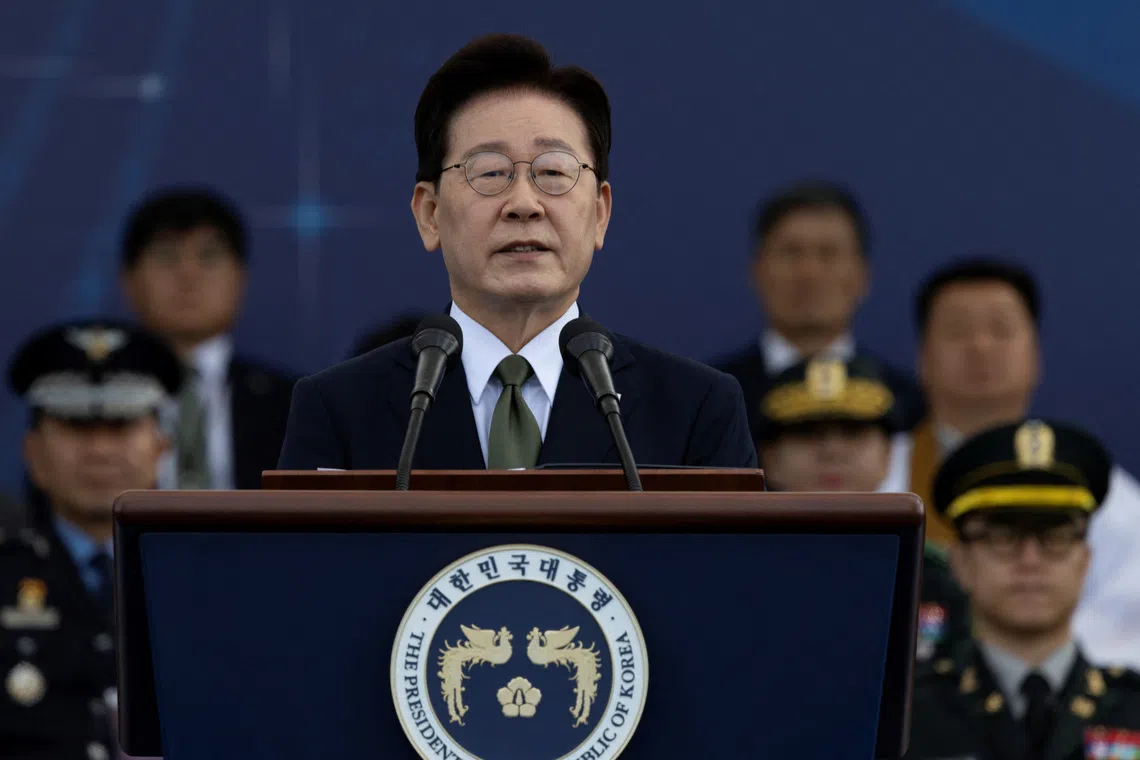
Lee Urges North Korea Dialogue, Pledges Military BuildupLee is simultaneously extending a diplomatic hand and launching one of South Korea's most ambitious defense upgrades — nuclear-powered submarines, laser interceptors, AI command systems — making the mid-2030s submarine target a concrete benchmark. The unresolved landmine row, which drew Kim Yo Jong's retaliation threat, makes the dialogue track harder even as the OPCON transfer push signals Seoul wants greater autonomy under the US alliance.

North Korea Fires Ballistic Missile From WonsanSouth Korea now faces simultaneous escalation: a ballistic missile launch from Wonsan paired with Kim Yo Jong's declaration that Pyongyang intends to permanently sever inter-Korean ties, raising alert levels in Seoul and triggering intelligence-sharing coordination with the US and Japan.

Supreme Court Takes Up Trump Bond Hearing PolicyA Supreme Court ruling for the administration would lock in mandatory detention for immigrants regardless of how long they have lived in the US, affecting millions per ACLU estimates. With nine of 11 circuits already finding the policy unlawful, the decision will create the first uniform national rule on bond hearings for detained immigrants facing deportation.

Modi’s India takes on Trump more openly, from ‘terrorism’ to tariffsIndia’s shift from quiet diplomacy to public confrontation risks derailing trade progress with the U.S., especially as a looming 100 percent tariff threatens economic ties, while Modi faces growing political costs at home for appearing deferential to Trump. This hardening stance reflects a broader recalibration driven by tangible policy clashes, not just rhetoric.
Why it matters: If Kim Yo Jong's permanent-severance declaration sticks, the Lee government's mid-2030s nuclear-submarine target and OPCON push become the operational answer to a regime that has publicly closed the reunification door for the first time.
Ask SkimNews