Treasury Extends Russian Oil Waiver 30 Days — SkimNews

Get the Geopolitics newsletter
Daily geopolitics — wars, elections, sanctions, the diplomatic moves that move markets. Free.
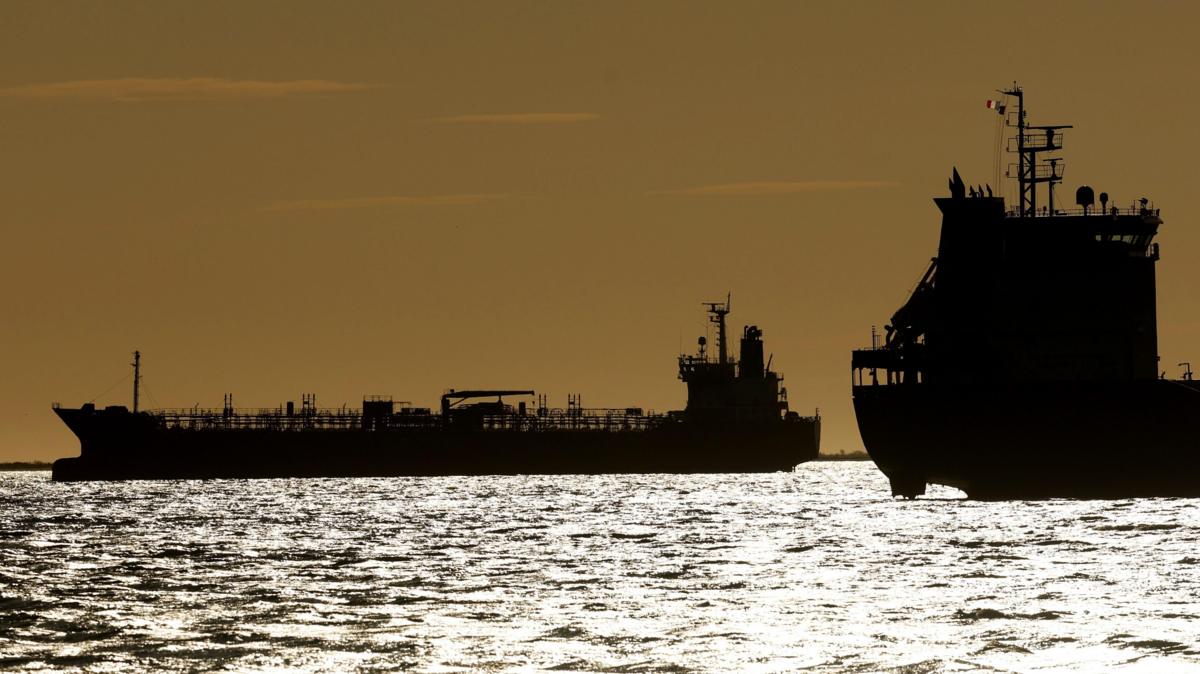
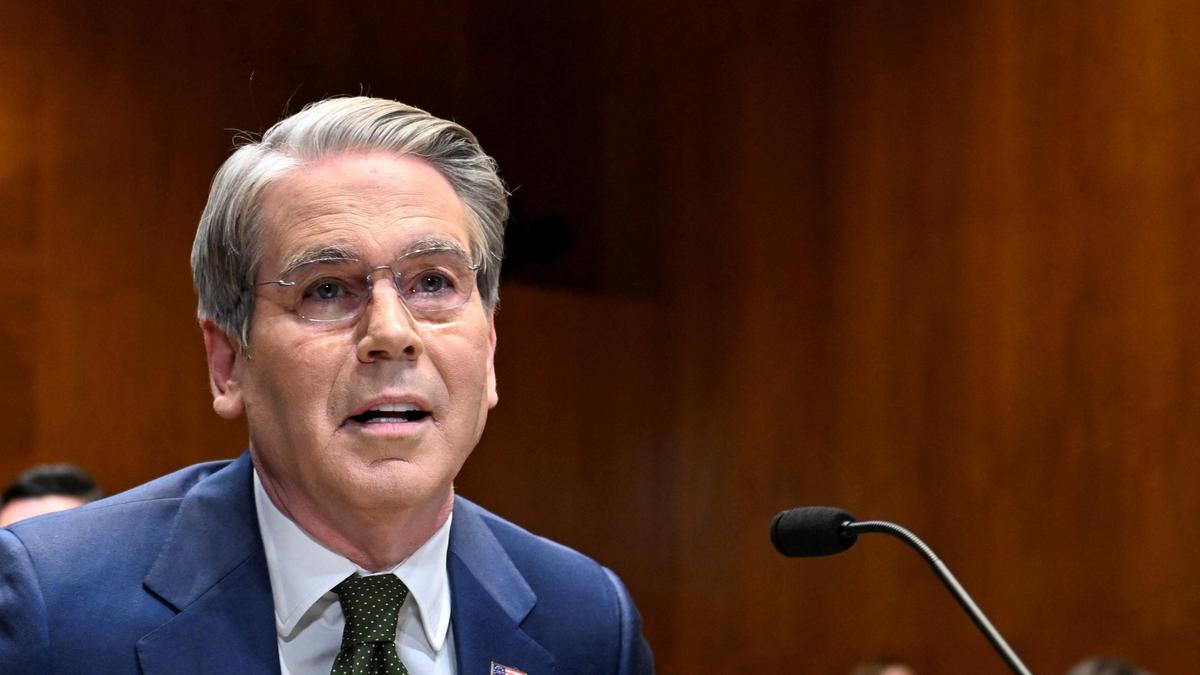
- Treasury Secretary Scott Bessent announced a temporary 30-day general license allowing 'the most vulnerable nations' to access Russian oil 'currently stranded at sea,' saying it will 'help stabilize the physical crude market.'
- The waiver is driven by the war in Iran, which has effectively closed the Strait of Hormuz — a chokepoint through which roughly a fifth of the world's oil previously flowed — driving energy prices sharply higher.
- National average gasoline reached about $4.52 per gallon on Monday, per AAA, underscoring the consumer-price pressure behind the policy reversal.
- This marks the third such waiver in recent months, following the initial license issued in March and a prior extension last month, according to The Hill.
- Both the Biden and Trump administrations had previously imposed sanctions on Russian oil to cut off a major revenue stream funding Moscow's war in Ukraine, creating tension with the current energy-stabilization rationale.
- Some Democrats and Republicans — including Sens. Chuck Grassley and others — have criticized the moves to lift Russian oil sanctions, reflecting bipartisan discomfort with allowing Russian energy to flow while the Ukraine war continues.
Why it matters: The waiver reveals a direct policy contradiction: the Trump administration is simultaneously sanctioning Russian oil to defund Moscow's Ukraine war effort while carving exceptions to prevent global energy prices from spiking further. With gas at $4.52 a gallon and bipartisan criticism mounting, the move shows how the Iran war's energy shock is forcing uncomfortable tradeoffs — and a third waiver in months signals this won't be the last.
Ask SkimNews