Obesity leaves a lasting memory in immune cells — SkimNews

Get the Health newsletter
Daily health & science — research, biotech, public health, the studies worth knowing. Free.
- University of Birmingham researchers identified persistent DNA methylation changes in CD4+ T cells linked to past obesity, lasting up to 5–10 years after weight loss.
- Professor Claudio Mauro stated that short-term weight loss does not immediately reduce risks for type 2 diabetes and some cancers due to lingering immune dysregulation from obesity.
- DNA methylation in helper T cells affects autophagy and immune senescence, disrupting cellular cleanup and accelerating immune aging even post-weight loss.
- Dr. Belinda Nedjai noted that obesity creates durable epigenetic modifications, meaning the immune system retains a molecular record of metabolic history.
- NIHR Biomedical Research Centre: Birmingham supported the study across multiple cohorts, including those with Alstrom Syndrome, osteoarthritis patients, and exercise intervention participants.
- Researchers suggest repurposing SGLT2 inhibitors could help reverse immune dysfunction by reducing inflammation and clearing senescent cells in former obesity cases.
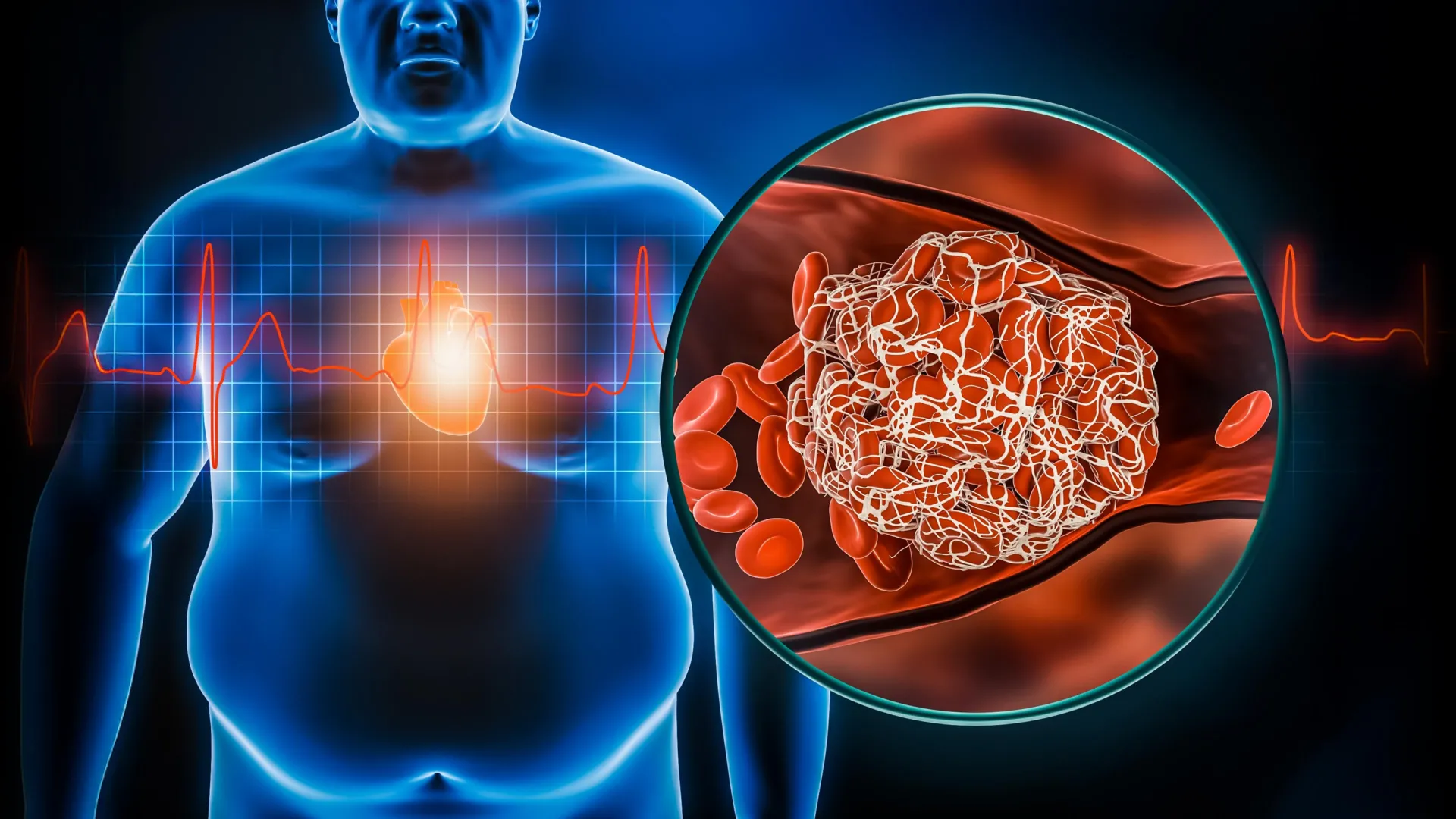
Why it matters: People who lose weight may still face elevated disease risks for up to a decade due to long-lasting immune cell changes, meaning sustained weight management—not just loss—is critical. This reframes obesity recovery as a multi-year biological process, not a short-term outcome.
Ask SkimNews