New China-North Korea bridge opens after more than a decade of delay — SkimNews

Get the Geopolitics newsletter
Daily geopolitics — wars, elections, sanctions, the diplomatic moves that move markets. Free.
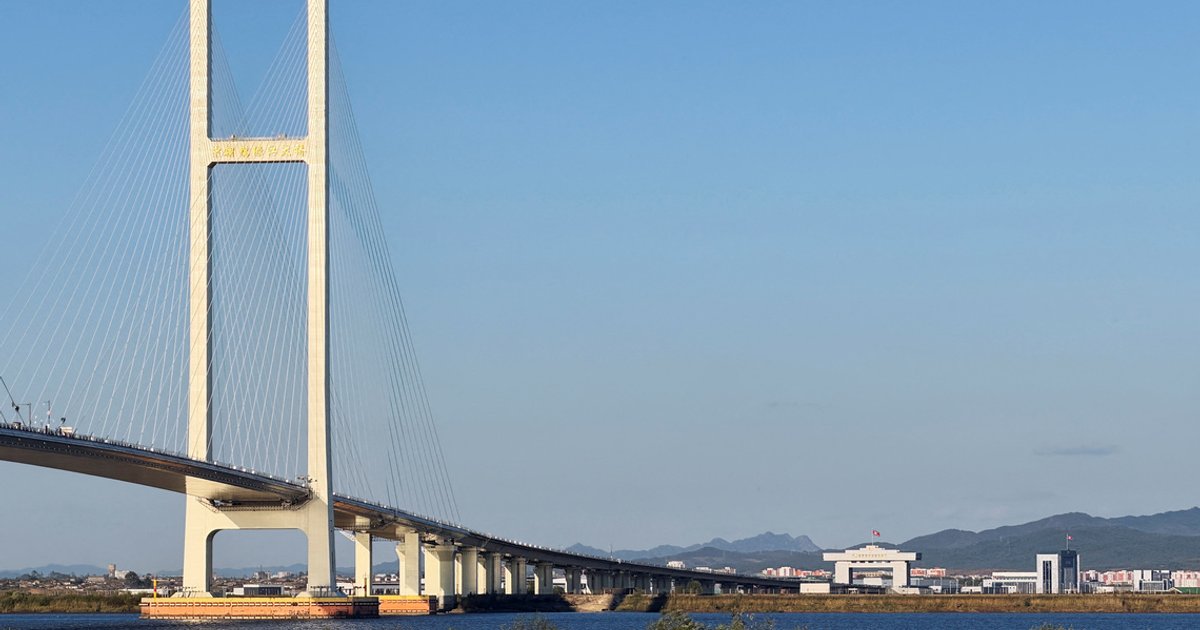
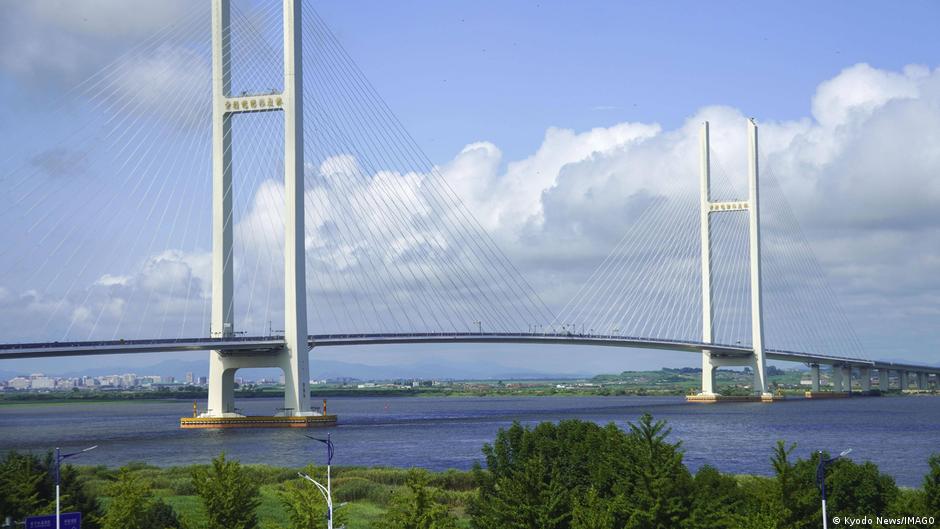
- New Yalu River Bridge opened on October 15, 2026, connecting Dandong, China to Sinuiju, North Korea, with Chinese Premier Li Qiang saying in a video address that China-North Korea relations have 'entered a new stage, embarking on a new chapter.'
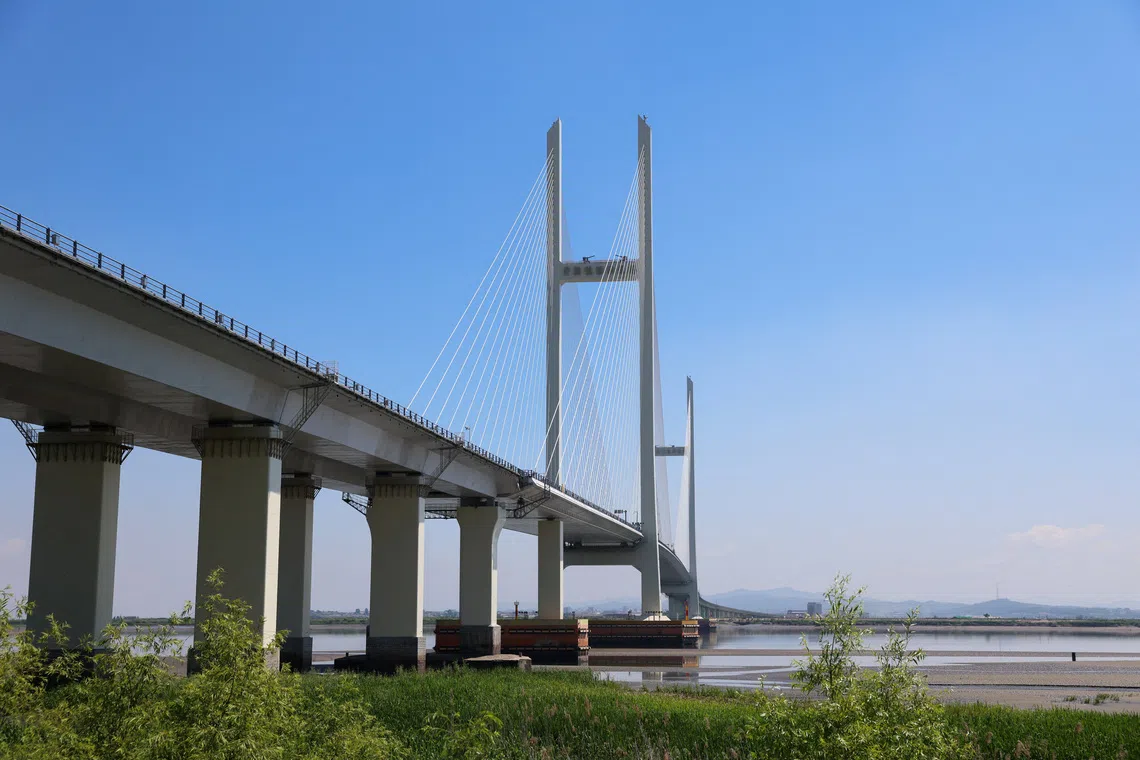
- The four-lane, 3-kilometre bridge was originally expected to enter use in 2014 when China completed its side, but North Korea never finished construction on its side, fueling speculation Pyongyang was wary of economic dependence on China or displeased over Beijing's UN votes tightening sanctions.
- The new crossing is expected to relieve the aging Sino-Korean Friendship Bridge, which handles more than 70% of official bilateral trade and can only accommodate one-way vehicle traffic alongside its railway line.
- The opening came about a month after North Korea and Russia launched their own road bridge, a development experts said likely made Chinese officials uneasy given Kim Jong Un's recent prioritization of Moscow, including sending thousands of troops and weapons to support Russia's war in Ukraine.
- About 98% of North Korea's external trade was with China in 2025, and the South Korean government identified at least 17 active road and rail links across the 1,400-km porous border, underscoring Beijing's economic indispensability.
- Leif-Eric Easley, a professor at Ewha University in Seoul, said the new bridge could facilitate sanctions-violating trade but also make cross-border traffic more transparent and customs-subject than smuggling routes.
Why it matters: The bridge gives China a physical symbol and trade artery to reassert primacy over Pyongyang just as Kim Jong Un has tilted toward Moscow following deployments of North Korean troops to fight in Ukraine. With 98% of North Korea's trade still flowing through China and the existing bridge choking on one-way traffic, the new four-lane crossing materially expands Beijing's economic leverage at a moment when it is competing with Russia for influence on the Korean Peninsula.
Ask SkimNews