Barnes Hedgehog Highway Drills Through Victorian Walls — SkimNews
Get the Energy newsletter
Daily energy & climate — solar, EVs, oil, the policy fights and tech bets shaping the transition. Free.
- Alice Mallorie has spent years adapting her Barnes garden with hedgehog tunnels, holes in fences, and a passage drilled through a thick Victorian boundary wall, forming part of a wider community 'hedgehog highway.'
- The hedgehog highway was launched by resident Michel Birkenwald after he discovered a hedgehog living in his garden, and it has since spread across the local community via the Barnes Community Association.
- The Zoological Society of London (ZSL) is monitoring urban hedgehog populations using camera traps deployed across 21 London boroughs, gathering millions of images to map where the animals remain active.
- Barnes is classified as a key hedgehog hotspot in London according to ZSL monitoring data.
- Hedgehogs are on the red list for British mammals as vulnerable to extinction, and up to three quarters of all Britain's rural hedgehogs have been lost since the turn of the century, according to a 2022 report cited in the article.
- ZSL researcher Kate Scott-Gatty said hedgehogs are especially vulnerable to urban barriers like roads, fences, and walls because of their small size and short legs, preventing them from reaching the habitats they need.
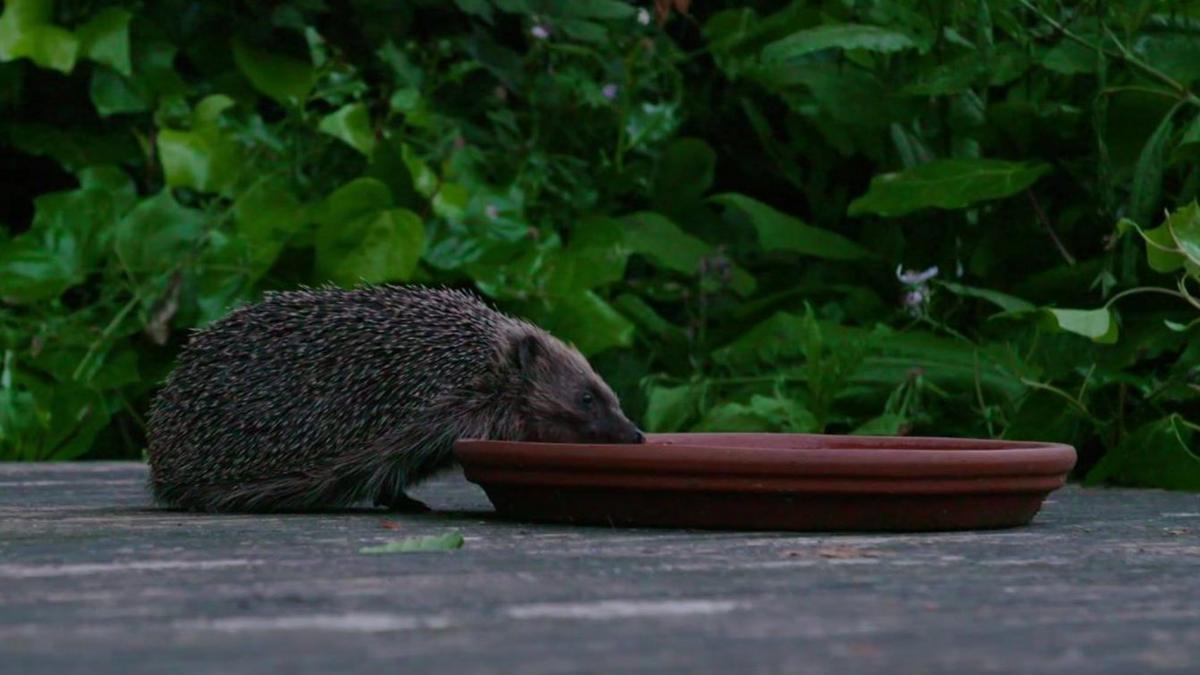
- Mallorie's garden also includes dedicated feeding stations designed to support the nocturnal animals, which she said are 'going down in numbers' and have something 'vulnerable and charming' about them.
Why it matters: Hedgehogs are classified as vulnerable to extinction in Britain, with up to 75% of rural populations lost since 2000, and ZSL says the species cannot cross London's urban infrastructure on its own. The Barnes highway — drilled fence passages and tunnel networks linking neighbouring gardens — shows how micro-habitat connectivity can be built cheaply by residents, giving ZSL a working model as it tracks populations across 21 boroughs.
Ask SkimNews


