India Tipped to Mediate US-Israel-Iran War as Calls Grow — SkimNews
Get the Geopolitics newsletter
Daily geopolitics — wars, elections, sanctions, the diplomatic moves that move markets. Free.
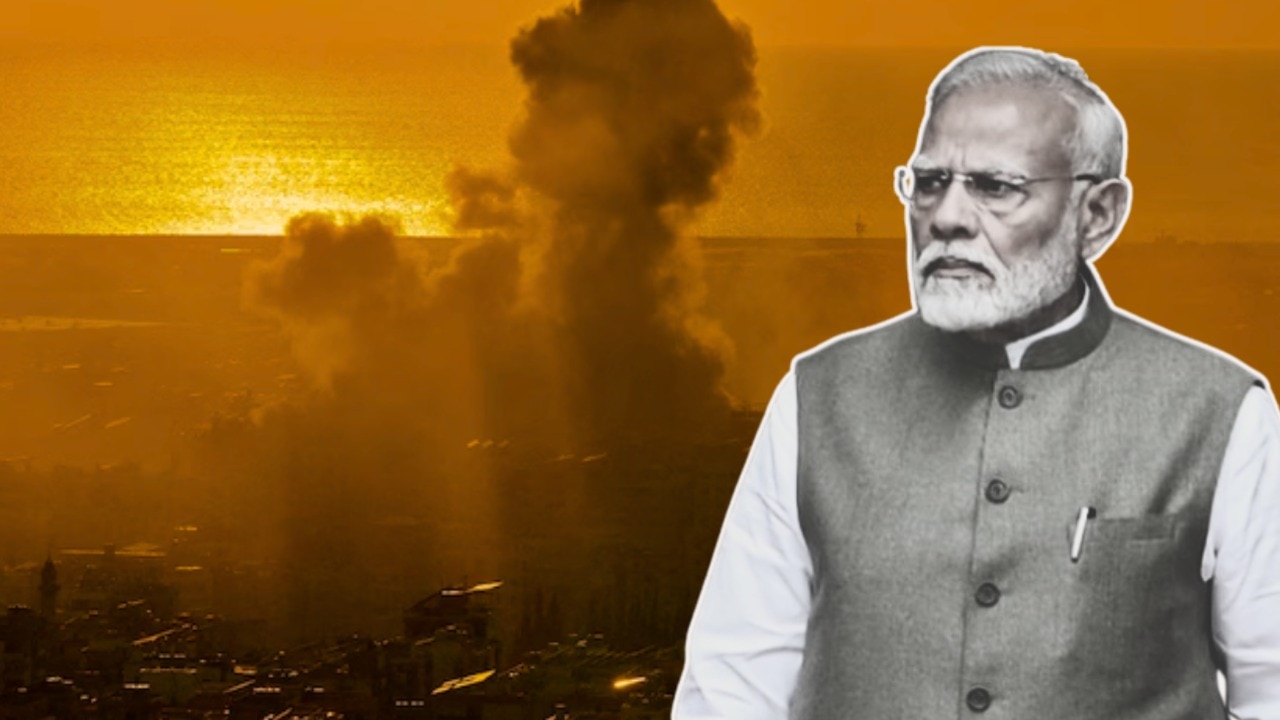
- Finland's President Alexander Stubb called for India to broker a US-Iran ceasefire in a Bloomberg interview, citing Foreign Minister S Jaishankar's own call for de-escalation and adding a third high-profile voice to the chorus.
- Colonel Douglas MacGregor and former UAE envoy Hussain Hassan Mirza also publicly urged Indian mediation, with MacGregor telling Tucker Carlson that Modi is the ideal intermediary given India's neutrality and growing stature.
- India has not signaled any diplomatic move to mediate, and China remains the only country that has openly offered to broker peace — though Beijing is viewed as compromised by its purchases of Iranian oil and dual-use components.
- India's economy is set to contribute roughly 17% of projected global real GDP growth in 2026 per the IMF, second only to China at 26.6% and ahead of the US at 9.9%, with GDP growth of 7.8% in the December 2025 quarter.
- PM Modi's pre-war visit to Israel elevated bilateral ties to a 'Special Strategic Partnership' with 16 MoUs and an estimated $10 billion in potential defense deals, though Israeli Ambassador Reuven Azar confirmed the operational decision to strike came only two days after Modi left.
- India has balanced engagement with all sides during the conflict, expressing condolences over Ayatollah Khamenei's death, sheltering Iranian warship IRIS Lavan in Kochi, and holding a phone call between Modi and Iranian President Masoud Pezeshkian on regional escalation.
- India's doctrine of strategic autonomy, rooted in its founding role in the Non-Aligned Movement, allows New Delhi to maintain equidistant ties — sitting in the US-led Quad while keeping China among its top trading partners and sustaining defense ties with Russia.
Why it matters: If India were to step into a mediation role, it would test whether a non-Western middle power can leverage its non-aligned heritage and 17% share of global growth into diplomatic capital — but the article's core finding is that New Delhi hasn't moved beyond rhetoric, leaving a diplomatic vacuum that only China has publicly tried to fill, and Beijing is widely seen as non-neutral.
Ask SkimNews