North Korea’s latest provocations look familiar, but the dynamics have changed: Analysts — SkimNews
Get the Geopolitics newsletter
Daily geopolitics — wars, elections, sanctions, the diplomatic moves that move markets. Free.
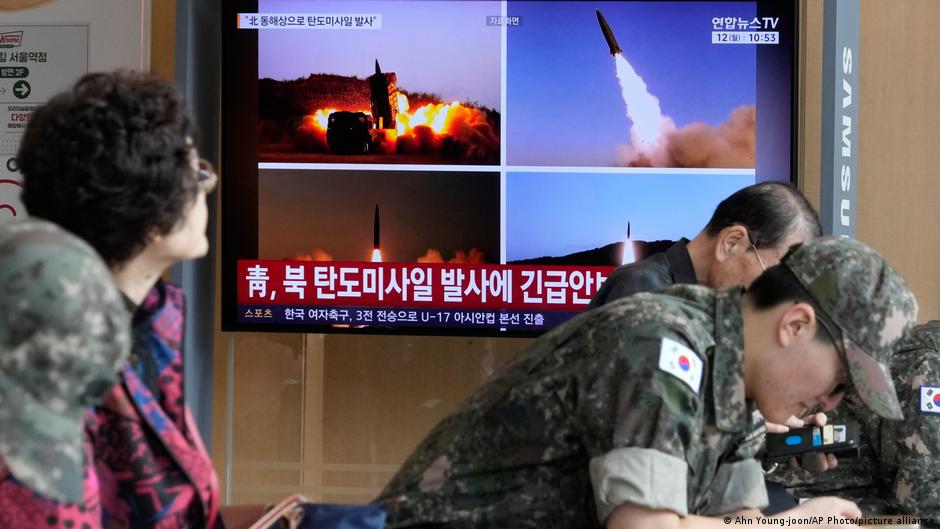
- North Korea fired around a dozen short-range ballistic missiles on Oct 29 and tested cluster-bomb warheads for tactical ballistic missiles, escalating military activity amid heightened inter-Korean tensions
- Pyongyang formally abandoned its 50-year reunification policy and redefined South Korea as a 'completely hostile state' in 2023, removing all constitutional references to reunification by March 2024
- North Korea has constructed permanent fortifications along the DMZ since April 2024, including wire fences, minefields, and anti-tank barriers, and is estimated to have planted 960,000 landmines along the border
- Seoul proposed military talks on Oct 23 to address border tensions after landmine explosions on Sep 21 severely injured three South Korean officers, one losing a foot
- Pyongyang accused Washington and Seoul of conducting a nuclear war rehearsal during recent joint drills on Nov 2, vowing to accelerate its nuclear deterrent development
- Rachel Minyoung Lee stated there is insufficient evidence that North Korea's recent missile launches were intended to strengthen Kim Jong Un's negotiating position ahead of potential talks with Trump
- Christopher Green noted North Korea now has reliable allies in China and Russia, earns revenue through trade and cybercrime, and has greater confidence in its nuclear deterrent than in past cycles
Why it matters: South Korea faces rising risks of unintended conflict as North Korea fortifies its southern border with 960,000 landmines and cuts off communication, while Seoul’s options for de-escalation are limited by Pyongyang’s rejection of diplomacy and its new status as a declared adversary.
Ask SkimNews