Xi Is Winning Taiwan Without a War — SkimNews

Get the Geopolitics newsletter
Daily geopolitics — wars, elections, sanctions, the diplomatic moves that move markets. Free.
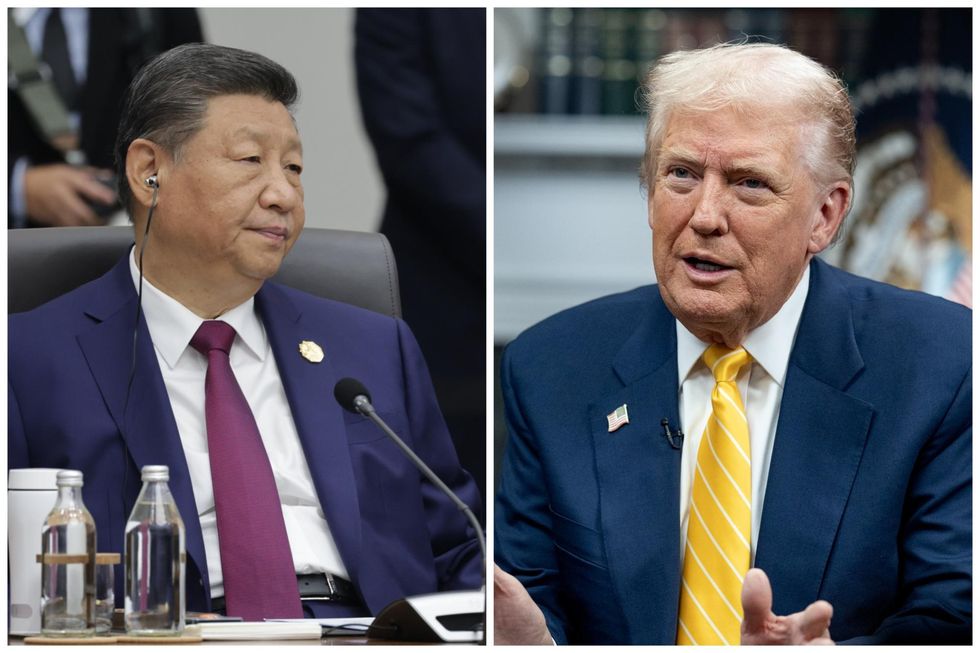
- Xi Jinping convinced Trump at their May Beijing summit to hold a $14 billion arms package to Taiwan 'in abeyance' and told reporters en route home the two leaders discussed the sales 'in great detail' — a break with the long-standing U.S. policy of not consulting China on Taiwan arms transfers.
- Pete Hegseth became the first U.S. defense secretary in a decade to omit Taiwan from a Shangri-La Dialogue speech in Singapore, signaling the administration's shift; Trump separately claimed Taiwan 'stole' the U.S. chip industry and said he did not want to fight a war 9,500 miles away.
- China's coast guard launched what Beijing called a 'special maritime law enforcement operation' off Taiwan's east coast, interfering with commercial shipping, and entered prohibited waters near a Taiwan-controlled island in the South China Sea — moves the article frames as groundwork for a future quarantine.
- Taiwan's legislature approved a $25 billion special defense budget in May for air defense interceptors, surface-to-air missiles, and antitank weapons, with the island's defense spending now at 3.3% of GDP and rising to 5% by decade's end — but a 2026 survey found only 34% of Taiwanese view the U.S. as a 'credible country,' down more than 10 points in five years.
- Xi set a personal deadline of 2049 — the PRC's centennial — for tangible progress on Taiwan, with the People's Liberation Army ordered to be ready to take the island by 2027, though the article notes he prefers to bring Taiwan under Beijing's authority without war to avoid sanctions and risk to his power.
Why it matters: Xi's incremental moves are already producing measurable shifts: a $14 billion arms package held in abeyance, a decade-long precedent broken on Taiwan at the Shangri-La Dialogue, and a 10-point drop in Taiwanese faith in U.S. credibility to 34%. If Trump endorses Beijing's framing that Taiwan is part of China or pressures Japan and the Philippines to stand down, the U.S. alliance architecture in the Pacific — and Taiwan's willingness to keep spending on its own defense — could unravel without a single shot fired.
Ask SkimNews