UK heatwave extends to second week as hosepipe bans hit 5 million — SkimNews

Get the Energy newsletter
Daily energy & climate — solar, EVs, oil, the policy fights and tech bets shaping the transition. Free.
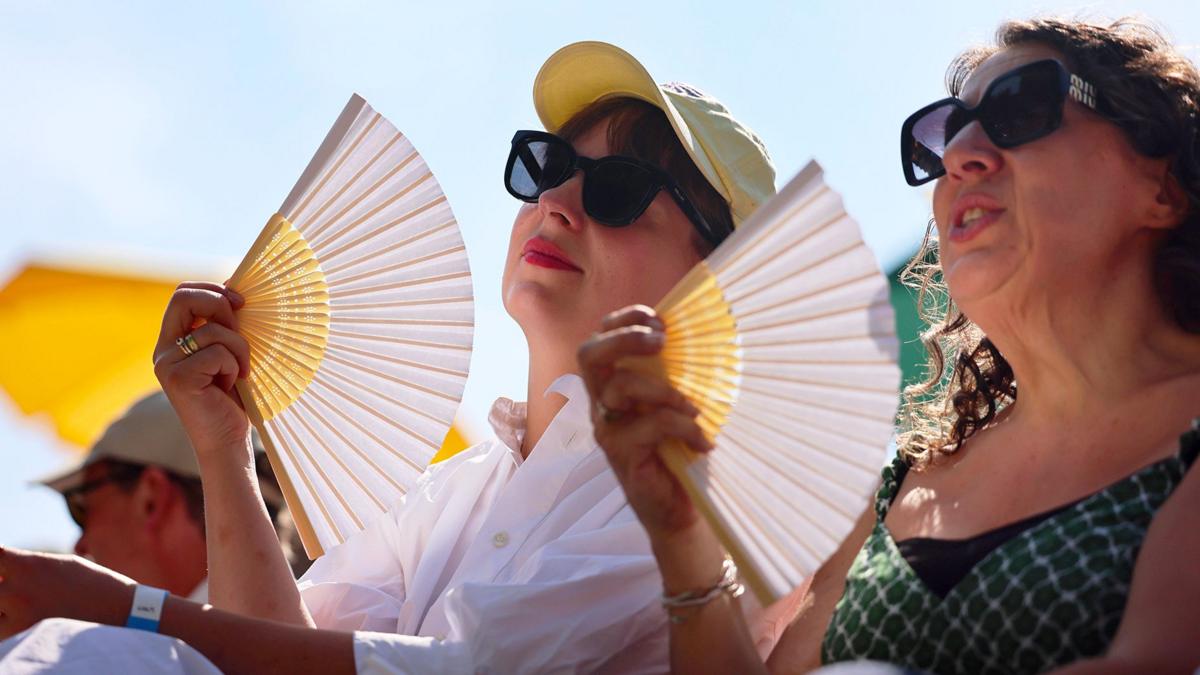
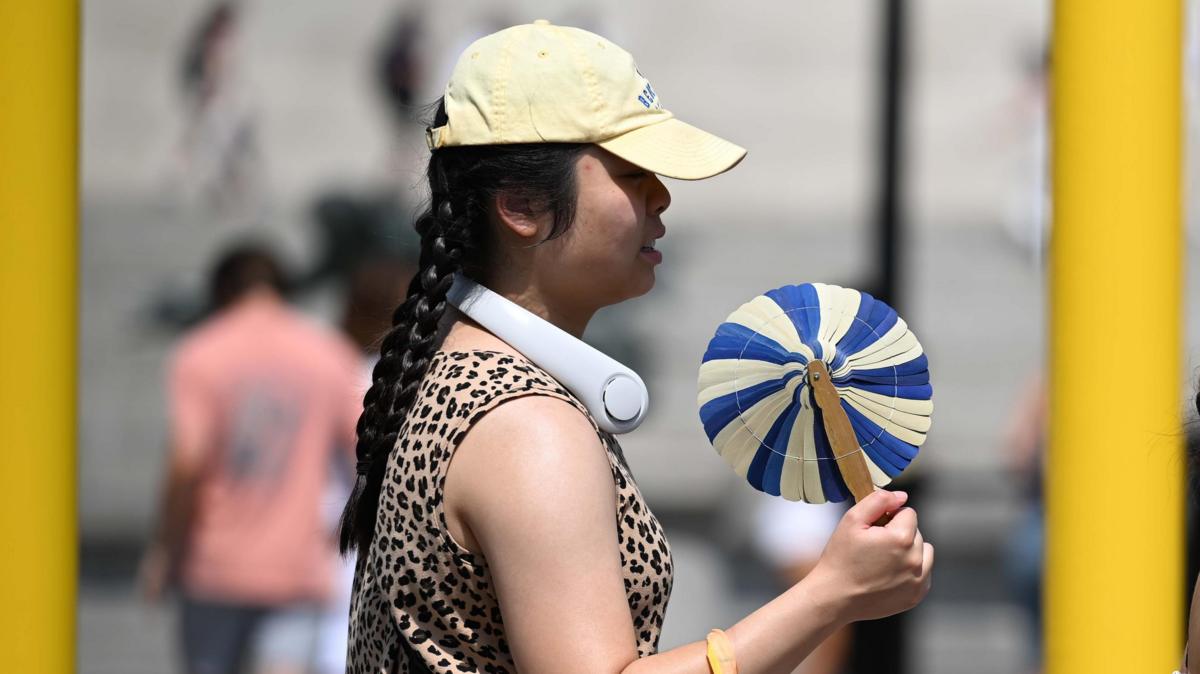
- UK heatwave will continue into a second week despite cooler conditions this weekend along North Sea coasts, where highs on Sunday and Monday will drop to 18–21C, while western England and Wales stay at 26–30C (possibly 31–33C in south-east Wales and south-west England).
- Friday's temperatures exceeded 35C, setting a calendar-year record for 35°C+ days with six so far in 2026, and pushing 34°C+ days to nine — also a record.
- Five water companies have imposed hosepipe bans covering more than 5 million people, including Anglian Water's first such ban in a decade (effective 01:00 BST Saturday for east of England customers), Southern Water's ban for one million Hampshire and Isle of Wight households, and Cambridge Water's first hosepipe ban in 30 years.
- The Met Office warned that high temperatures, dry conditions and freshening winds will produce extreme wildfire conditions across much of England and Wales through the weekend, prompting the National Fire Chiefs Council to warn that "it only takes one spark."
- Amber and yellow heat health alerts from the UK Health Security Agency remain in force across large parts of England until 21:00 BST Sunday, and warmer air from northern France could push southern England back to 32–33C by Wednesday or Thursday.
- Relief from rain remains distant, with the far south-west possibly seeing brief showers Monday and most of England only seeing a realistic chance of rain toward the end of the week before high pressure rebuilds from the Atlantic.
Why it matters: More than 5 million people across eastern and southern England are now living under mandatory hosepipe restrictions, with no significant rainfall forecast until at least the end of next week and the Met Office warning of extreme wildfire conditions. The 2026 calendar year has already set records for both 35°C+ and 34°C+ days, signaling that water utilities and emergency services are now operating under sustained heat-stress conditions, not a one-off spike.
Ask SkimNews