Democrats Sweep Midterms on Iran War Backlash — SkimNews
Get the Geopolitics newsletter
Daily geopolitics — wars, elections, sanctions, the diplomatic moves that move markets. Free.
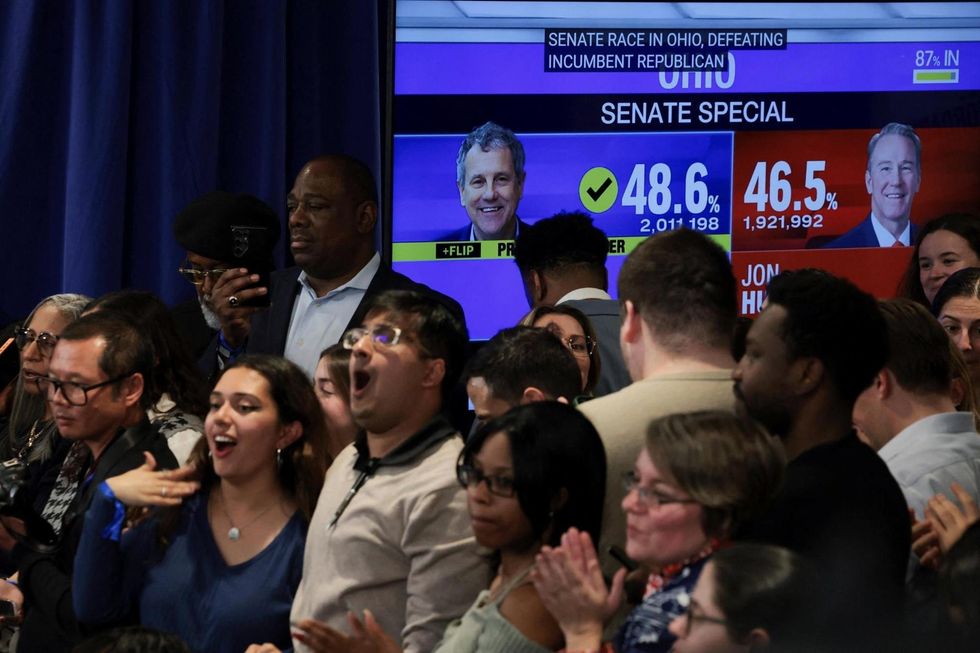
- Democrats won majorities in both the Senate and House and flipped six Senate seats, including in reliably red South Carolina, Texas and Kansas, in Tuesday’s midterm elections.
- The Iran War was a “crucial” or “major” factor for 74% of voters in exit polling, while 62% said using military force against Iran was the wrong decision.
- Gallup found 77% of registered voters considered the Iran situation extremely or very important to their vote, while a late-October NetChoice/Echelon Insights poll of six swing states ranked ending the war third behind cost of living and jobs.
- Fuel and fertilizer prices made the war’s effects acute in rural America, where farm-dependent Iowa, Texas, Kansas and North Carolina flipped from Republican to Democrat. Data for Progress polling put launching the war atop the Trump administration policies that most concerned voters, while the Daily Caller called the war and its fallout “the biggest story of the election.”
- Ashley Hinson called for a swift end to the war while continuing to support Trump and expressing confidence he could end it militarily; North Carolina Senate candidate Michael Whatley said the war should end when Iran agrees not to build a nuclear weapon.
- Haley Stevens endorsed Mike Rogers on Sunday after backing Abdul El-Sayed days earlier as the Michigan race pitted two Democratic foreign-policy visions over the U.S.-Israel relationship; AIPAC’s largest super PAC spent a record $30.6 million against El-Sayed in the primary, and AIPAC-linked groups spent at least $12.7 million in the general, where El-Sayed led at the time of writing.
- Bhavik Lathia, a Democratic strategist, said the Gaza genocide and Iran War were decisive issues and argued that the party’s 2024 hawkish posturing — including Kamala Harris campaigning with Liz Cheney — “killed a lot of momentum.”
Why it matters: Democrats gained both chambers and six Senate seats, while 74% of voters identified the Iran War as a major or crucial factor and 62% opposed using military force against Iran. Pollsters and strategists across the spectrum agreed the war’s fuel-price spillover was inseparable from affordability, giving Democrats an opening in farm-dependent states while exposing party divisions over Israel and interventionism.
Ask SkimNews