Moore Study: Climate Extremes Feel Routine With Exposure — SkimNews
Get the Energy newsletter
Daily energy & climate — solar, EVs, oil, the policy fights and tech bets shaping the transition. Free.
- Frances Moore of the University of California, Davis, led a study analyzing more than 2 billion weather-related social-media posts that found extreme temperatures feel less remarkable when people have experienced similar ones in recent years.
- The same Moore study found that negative feelings provoked by extreme temperatures did not fade with repeated exposure, even as the events lost their psychological novelty — a disconnect between felt experience and historical anomaly.
- Britain just experienced its hottest summer on record, beating the previous record set only the year before, underscoring how quickly baselines are shifting.
- Ecologist Daniel Pauly originally described "shifting baseline syndrome" in fisheries research, observing that successive generations of scientists accepted increasingly depleted populations as the new normal.
- The current El Niño is forecast to be unprecedented, continuing a pattern of escalating heat, drought, rain and wildfire severity.
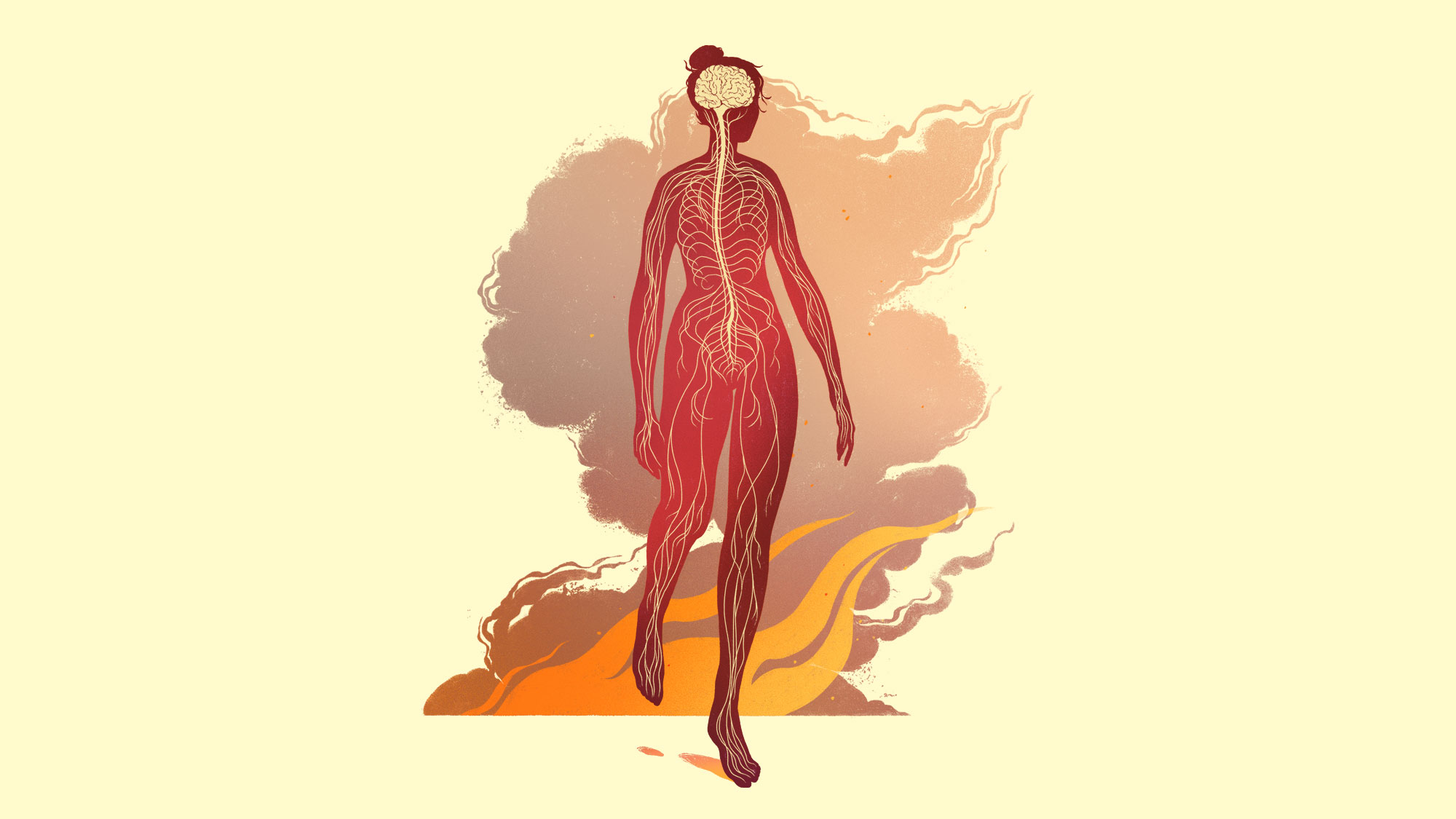
- Helen Pilcher argued the word "unprecedented" is undergoing semantic bleaching through overuse in climate reporting, and invoked the (scientifically incorrect) boiling frog parable to argue that human urgency dims as the extraordinary becomes familiar.
Why it matters: The Moore study exposes a gap between psychological adaptation and historical reality: even as climate events cross thresholds humanity has never experienced, audiences may stop treating them as remarkable. For climate communicators and policymakers, this implies that the very repetition of "unprecedented" can blunt the alarm it is meant to convey, potentially weakening public pressure for action even as conditions worsen.
Ask SkimNews