Spain's Record Wildfires, Heat, and Floods Hit Tourism and Farms — SkimNews

Get the Energy newsletter
Daily energy & climate — solar, EVs, oil, the policy fights and tech bets shaping the transition. Free.
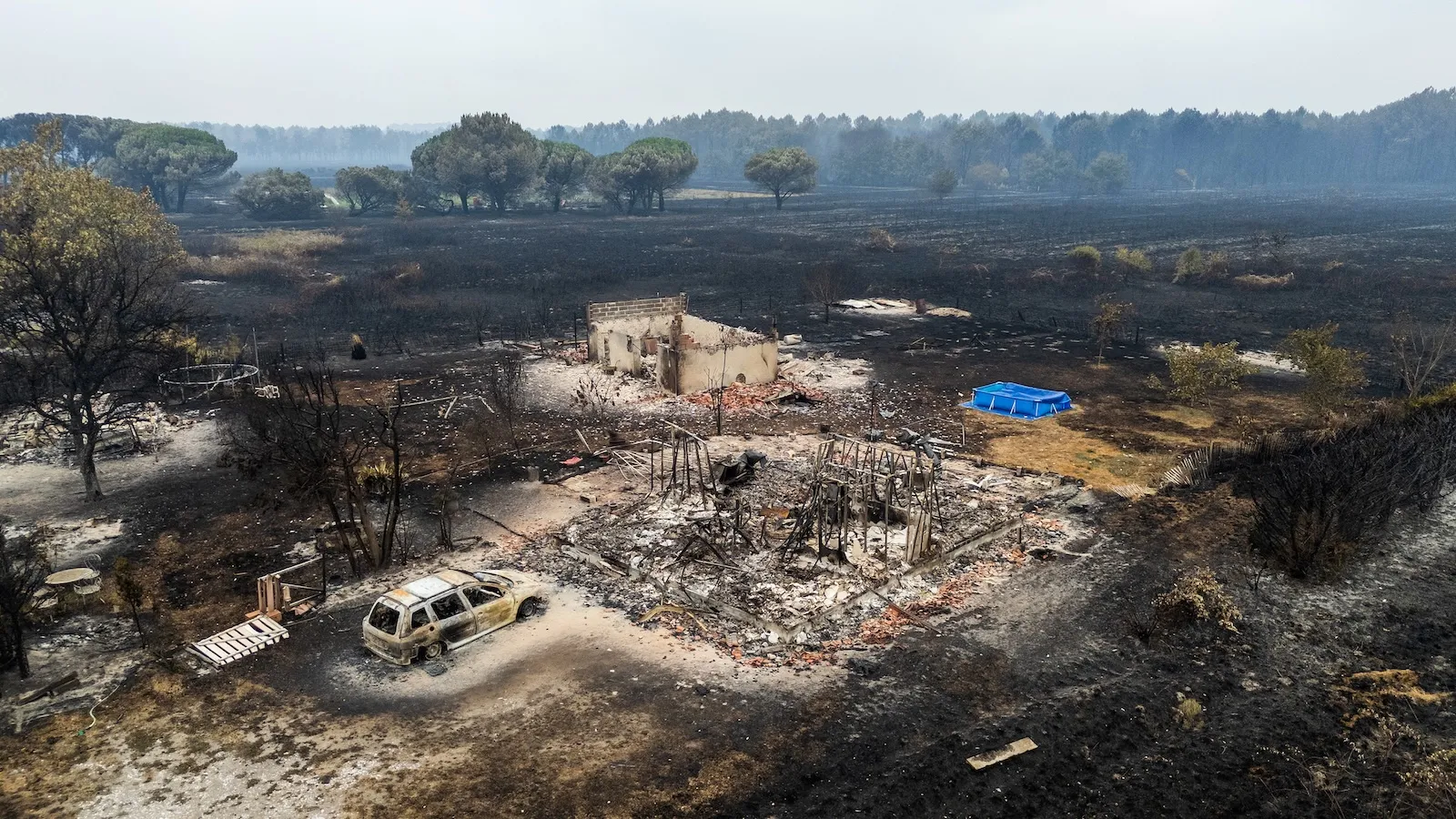
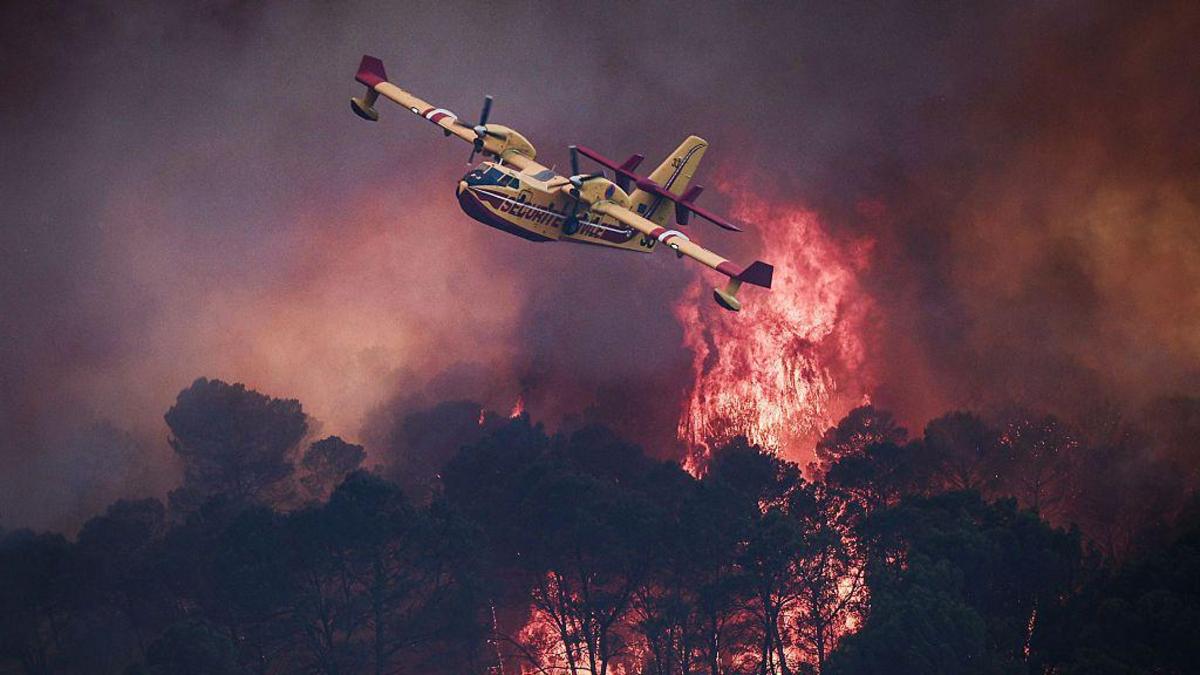
- A wildfire in Spain's Gredos mountains in late July merged with two others and burned roughly 80,000 hectares, making it the biggest blaze Spain has ever registered and killing 12 of farmer Juan Ángel Izquierdo's 85 cows.
- World Weather Attribution found the extreme conditions behind 2025's record-breaking Spanish and Portuguese fires were 40 times more likely due to warming, and Spain's Meteorological Association pinned the cause on fossil fuel-driven greenhouse gas increases.
- Pedro Sánchez declared "the climate emergency kills" after a July Almería wildfire killed 15 people, as roughly 300,000 hectares have burned across Spain this year — about half the total area scorched in the entire European Union.
- Spain's tourism industry, worth 13% of GDP, faces a heat-driven drag: the country logged 61 days of heatwaves continuing into early September, and a Rey Juan Carlos University study found overnight stays drop during heatwaves in key destinations.
- Flash floods in Valencia in October 2024 killed 237 people and caused €4.5 billion in direct damage, described by Spanish research group Climatoc-Lab as "a manifestation of how global warming alters the hydrological cycle."
- Catalonia imposed an 80% water-use cut for crop farming and 25% for industry in 2024 after three years of minimal rainfall, underscoring drought risks to agriculture, which contributes 9% of Spain's GDP.
- Germanwatch ranked Spain the world's 20th most climate-affected country in its 2024 climate risk index, yet BBVA Research economist Julián Cubero argued a green transition could create new jobs if Spain acts decisively.
Why it matters: Spain's tourism (13% of GDP) and agri-food industry (9% of GDP) together face simultaneous shocks — heatwaves deterring visitors, wildfires destroying crops, and floods wiping out businesses — while government compensation covers less than half of farmers' losses, meaning private insurers and regional economies absorb the rest.
Ask SkimNews