Emerging Markets Wipe 21% in AI Chip Rout — SkimNews
Get the Finance newsletter
Daily finance — markets, central banks, M&A, the prints that move money. Free.
- MSCI Emerging Markets lost 21% as the AI chip rally that had lifted the $1.8 trillion, 1,175-company benchmark reversed, with just nine firms — mostly Taiwanese and Korean tech names plus Alibaba and Tencent — now accounting for over 40% of its weight.
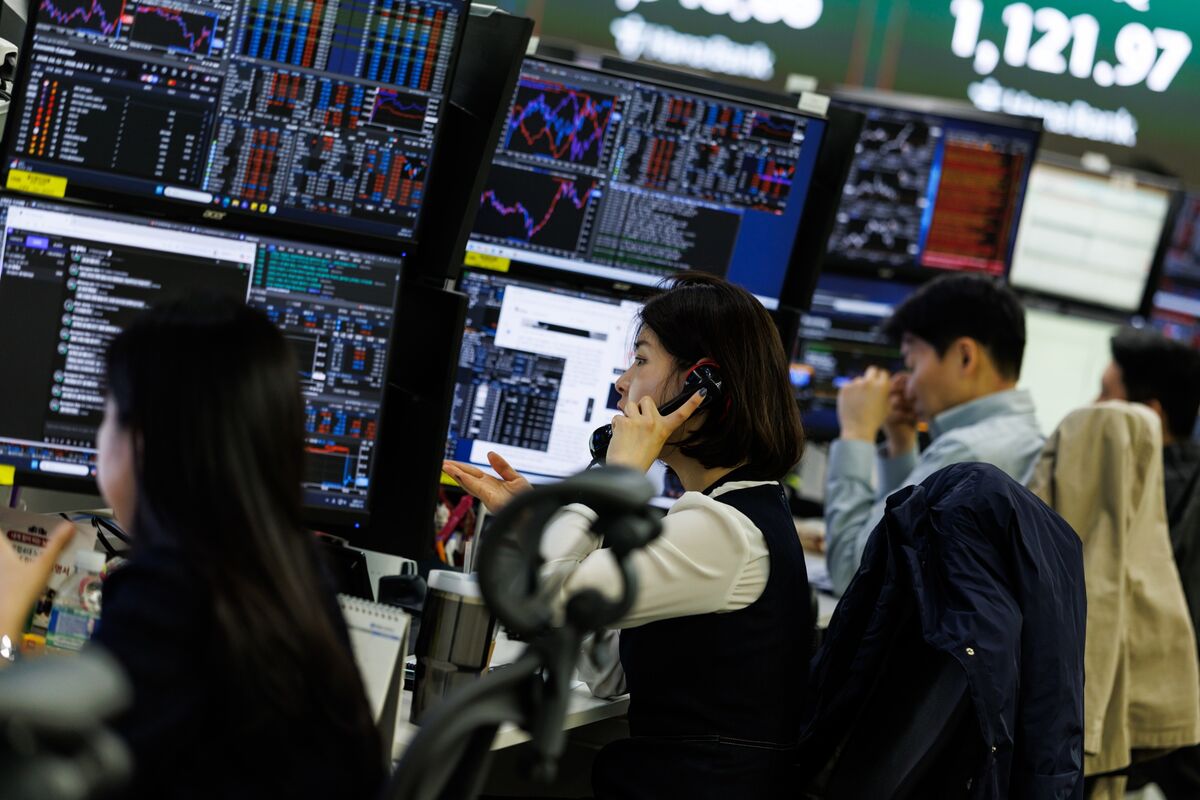
- South Korea's KOSPI had doubled on Samsung Electronics and SK Hynix gains before ripping back 40% in six weeks from late June, triggering six or seven circuit breakers in the past month alone, per Amundi's Ji Young Park.
- TSMC fell almost 14% during the rout, and MSCI EM volatility surpassed peaks hit during the COVID pandemic as the benchmark's 'liquidity factor' logged its biggest drop on record.
- Foreign investors pulled money out of Asia-ex-China markets faster than any six-month stretch since at least 2010 in the first half of the year, with South Korea shedding over $100 billion and Taiwan $44 billion according to JPMorgan.
- Samsung and SK Hynix had surged 500% and 1,100% respectively over 12 months before the selloff, and concentration rules forced investors to cash out of positions deemed too large.
- Korean market volatility has outpaced Bitcoin's swings this year on LSEG data, with MSCI's chief research officer Ashley Lester noting EMs are no longer a diversification tool but 'right in the centre of the AI boom.'
Why it matters: The MSCI EM benchmark has effectively become a concentrated bet on AI hardware rather than a diversifying asset class. Pensions, sovereign wealth funds and retail investors who chased those returns now carry the same AI-exposure risk they thought they had diversified away from. Korea alone saw $100 billion of foreign money exit in the fastest six-month withdrawal in over 15 years.
Ask SkimNews