EU Weighs Safeguard Tariffs as China Rejects Hybrid Caps — SkimNews

Get the Geopolitics newsletter
Daily geopolitics — wars, elections, sanctions, the diplomatic moves that move markets. Free.
- China refused the EU's request for voluntary export curbs on hybrid electric vehicles, despite Brussels proposing that Chinese brands limit their bloc share to about 15%, down from more than one-third currently, the Financial Times reported.
- The European Commission is now weighing temporary "safeguard" tariffs that would not require proof of unfair trade practices — a quota system where hybrid shipments above a set ceiling face steep extra duties, per two diplomats cited by the FT.
- EU imports of Chinese hybrids have surged dramatically, with PHEV imports rising from 56,706 units in 2022 to 217,764 in the first seven months of 2025, and HEV imports jumping from 659 to 160,662 over the same period, according to Eurostat.
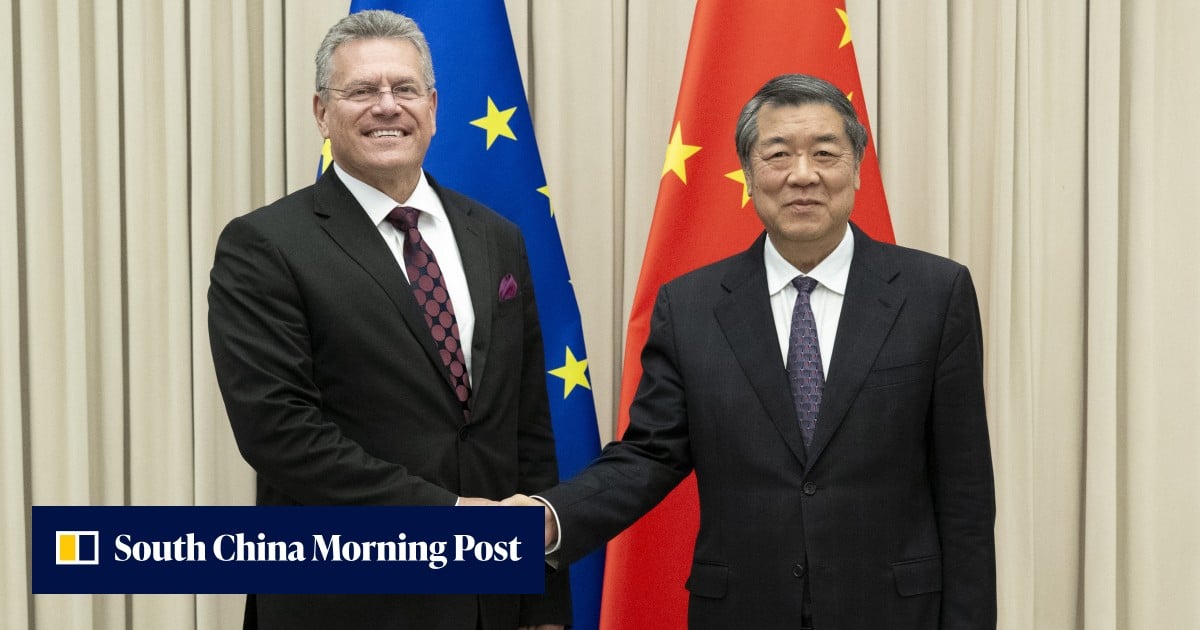
- Trade Commissioner Maros Sefcovic began two days of talks with Chinese Commerce Minister Wang Wentao in Beijing on October 8, with EU leaders set to take up the dispute at the October 15-16 European Council summit amid officials describing the 1 billion euro (US$1.15 billion) daily trade deficit as "unsustainable".
- The Industrial Accelerator Act, unveiled March 4, would require publicly subsidized EVs and PHEVs sold in the EU to be assembled locally with at least 70% of non-battery components sourced in Europe — rules that would apply to EVs from around mid-2027.
- BYD is building a 4 billion euro assembly plant in Hungary targeting 300,000 cars a year with mass production set for the fourth quarter of 2026, a move Chinese commentators cite as proof that Chinese carmakers can simply bypass EU tariffs by manufacturing inside the bloc.
Why it matters: Extending protection beyond pure EVs—already hit with 7.8%-35.3% duties—to hybrids where Chinese imports surged from near-zero to over 217,000 PHEV units by mid-2025, the proposed safeguards would buy European legacy carmakers time to catch up. But Chinese brands like BYD are already sidestepping the issue with a 4 billion euro Hungary plant set for 2026 mass production, rendering tariff walls porous against a competitor that is relocating rather than retreating.
Ask SkimNews