Guava Juice Raises Hemoglobin 1.71 g/dl in Review — SkimNews
Get the Health newsletter
Daily health & science — research, biotech, public health, the studies worth knowing. Free.
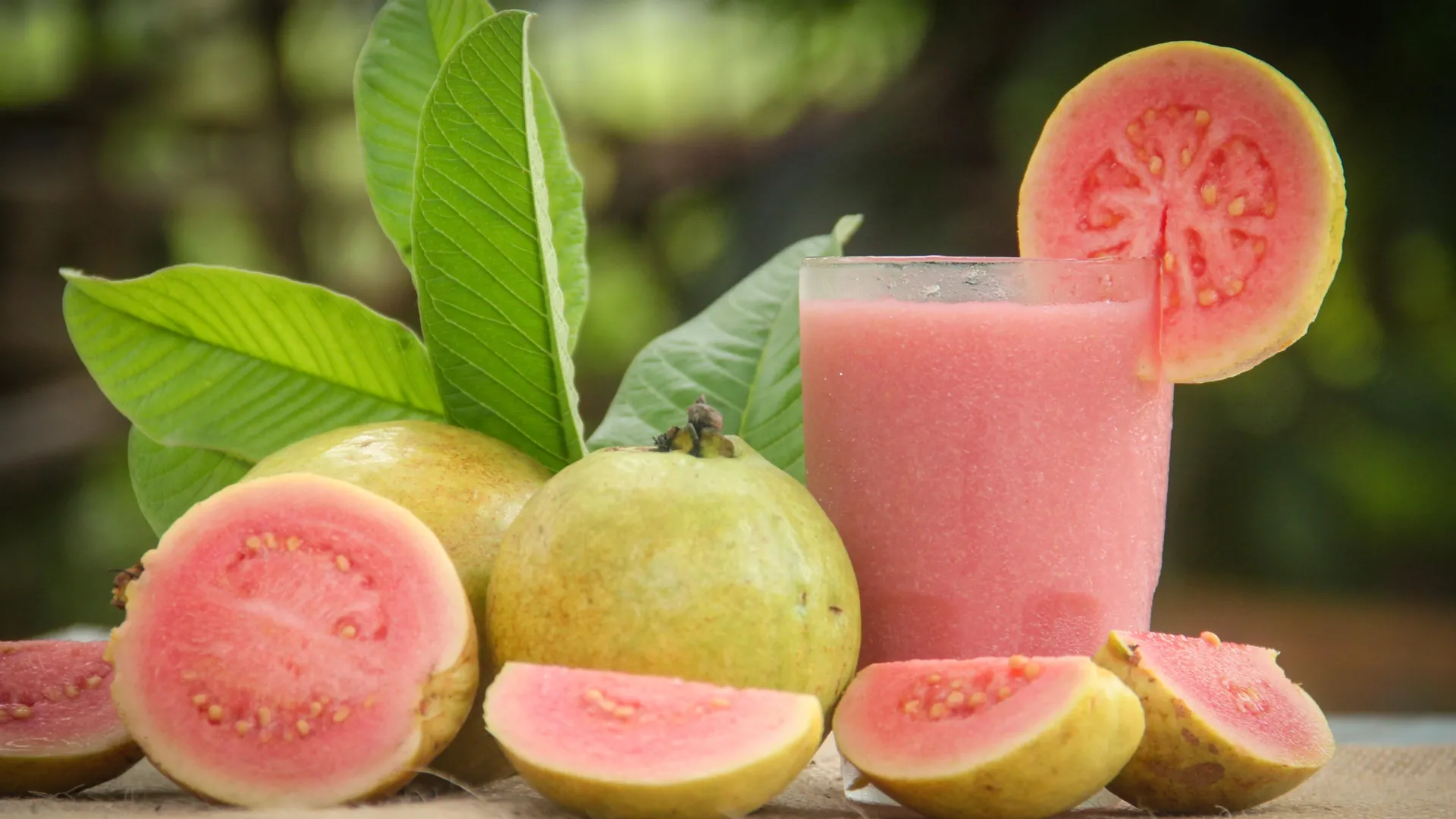
- BMJ Nutrition Prevention & Health published a systematic review of 17 studies (15 quasi-experimental, 2 randomized trials) on English-language guava juice research published since 2000.
- Hemoglobin levels rose by an average of 1.71 g/dl across 12 studies covering 235 women and adolescent girls who consumed guava juice, with pregnant women gaining 1.84 g/dl and teenage girls gaining 1.52 g/dl.
- Guava juice plus iron supplements outperformed iron supplements alone by an average of 1.29 g/dl in five studies, each comparing 102 participants, with researchers noting a 1-2 g/dl increase can shift someone from mild or moderate anemia to non-anemic.
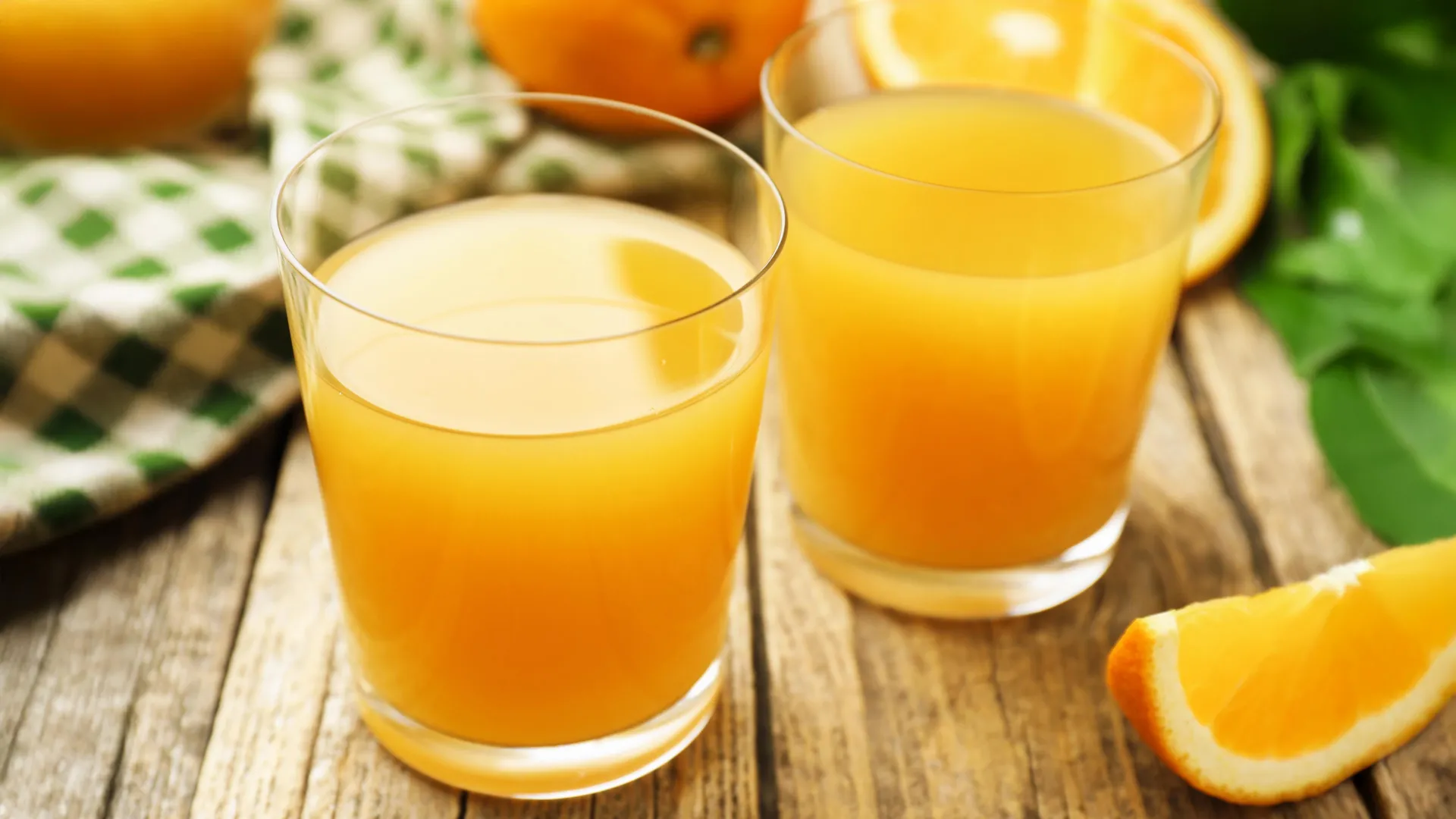
- Guava's vitamin C content — up to four times more per 100 grams than oranges — is the proposed mechanism, as vitamin C enhances the body's ability to absorb iron from plant-based foods.
- All 17 studies were conducted in Indonesia, a limitation researchers flagged alongside major variation in study design, guava type, dosage, and intervention length, with no long-term follow-up data.
- Professor Sumantra Ray, chief scientist at NNEdPro Global Institute for Food, Nutrition and Health, endorsed the vitamin C mechanism but cautioned that guava juice cannot yet be recommended as a substitute for conventional anemia treatment without more rigorous trials.
Why it matters: For public health programs in low- and middle-income countries — particularly in Asia where guava is already culturally accepted and inexpensive — the findings suggest a low-cost dietary add-on that could be slotted into school nutrition or antenatal care packages, though the evidence base is entirely Indonesian and largely quasi-experimental, limiting how quickly ministries of health can act on it.
Ask SkimNews