Climate activists take on a new foe: Data centers — SkimNews
SkimNews Take
By pivoting from sweeping federal frameworks to opposing specific local infrastructure projects, climate organizers have found a more durable model—one that sidesteps coalition collapse by mobilizing around tangible resource costs like water and power.
Get the Energy newsletter
Daily energy & climate — solar, EVs, oil, the policy fights and tech bets shaping the transition. Free.
- Green New Deal Network officially dissolved on December 31, 2025, citing how the political conditions under Trump that had eroded climate momentum made the coalition no longer "the right vehicle for what comes next."
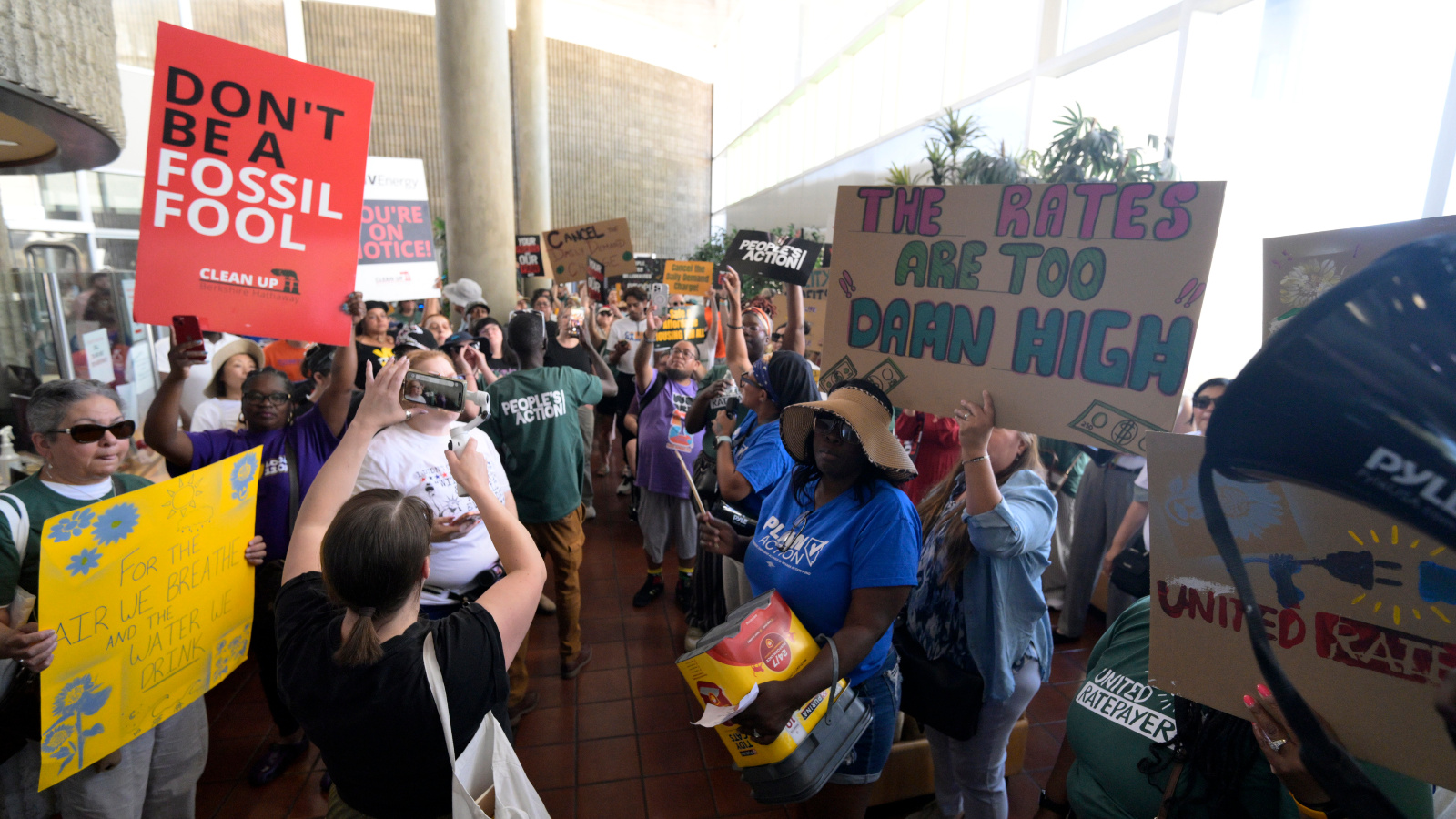
- Sunrise Movement has mobilized local hubs against data center proposals in Dallas, Denver, Pittsburgh, and Lansing, Michigan, with executive director Aru Shiney-Ajay telling the outlet data centers "could be a disaster for our climate."
- A Lawrence Berkeley National Laboratory report finds data centers could account for about one-third of U.S. electricity demand growth between 2024 and 2030, with a typical AI facility consuming power equivalent to 100,000 households.
- The Seattle City Council unanimously passed a moratorium earlier this month after learning five major facilities could consume one-third of the city's typical daily power, making it the largest U.S. city to halt data center approvals.
- More than 500 environmental groups signed a letter to Congress this month calling for a nationwide moratorium, though the Sierra Club, Natural Resources Defense Council, and Nature Conservancy were notably absent from the list.
- Grassroots opposition blocked or delayed at least 75 facilities worth nearly $130 billion in the first three months of this year, with Gallup polling showing 75% of Democrats and 63% of Republicans oppose data centers in their area.
Why it matters: The climate movement has found its next fight in an issue that splits the political map unusually evenly: grassroots organizers delayed $130 billion in projects in just one quarter, and Seattle's unanimous moratorium signals a model now spreading to other cities. If the Lawrence Berkeley projection holds, data centers could swallow a third of new U.S. electricity demand by 2030 — meaning local moratoriums may be the only brake on an industry most environmental groups have been slow to confront.
Ask SkimNews


