Iran Strikes US Base in Jordan; Third Night of US Strikes
Get the Geopolitics newsletter
Daily geopolitics — wars, elections, sanctions, the diplomatic moves that move markets. Free.
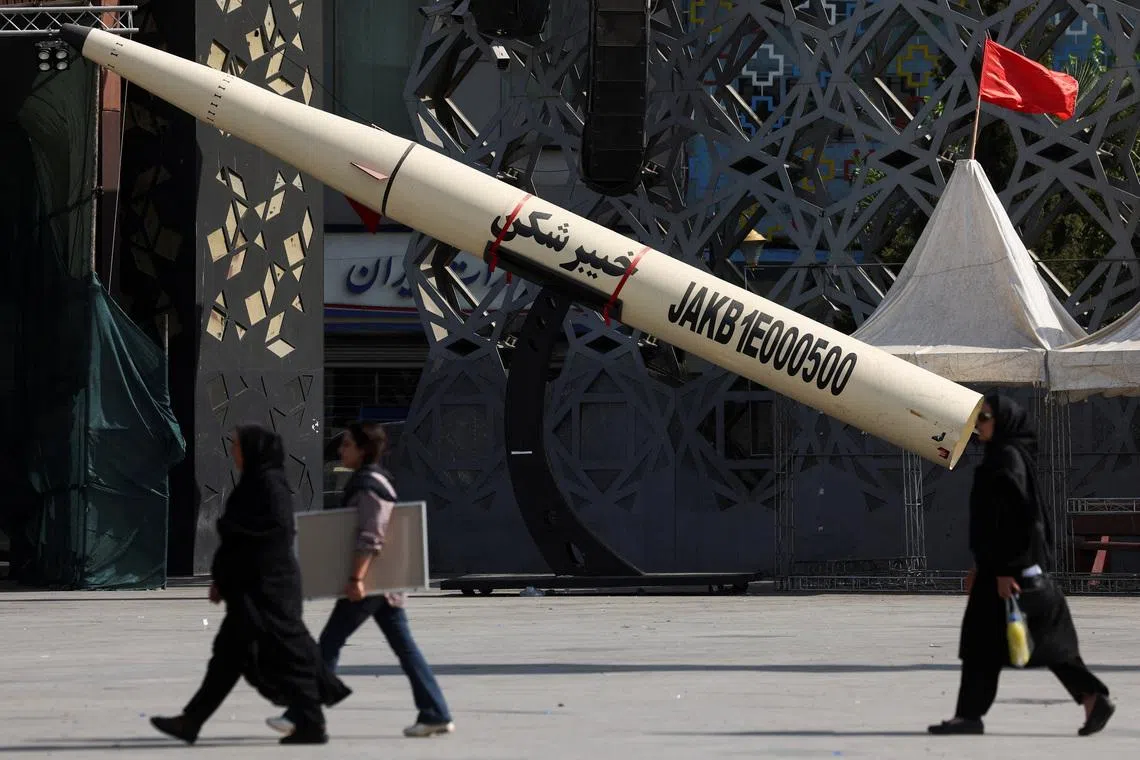
- Iran's IRGC struck a US air base in Jordan with ballistic missiles on July 14, while calling on Jordanians to dismantle American bases in the kingdom, saying it bore no enmity toward them.
- Jordan's armed forces intercepted and shot down four missiles that entered Jordanian airspace from Iranian territory, according to state news agency.
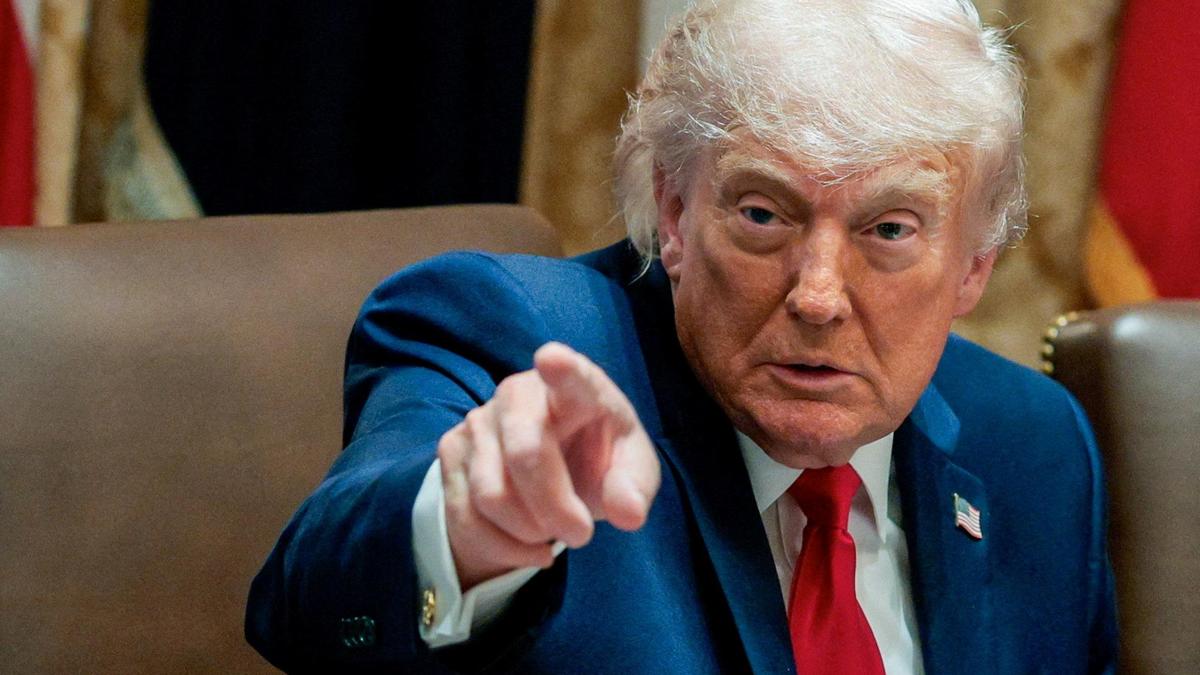
- US forces, directed by Trump, completed five hours of strikes on Iran — their third consecutive night of attacks — while reinstating a naval blockade of Iranian shipping effective 2000 GMT Tuesday covering Iran's entire coastline.
- Trump proposed a 20% fee on cargo transiting the Strait of Hormuz and declared the US the "Guardian of the Hormuz Strait"; Iran's FM Araqchi replied, "20% is of course too much. We will be fair."
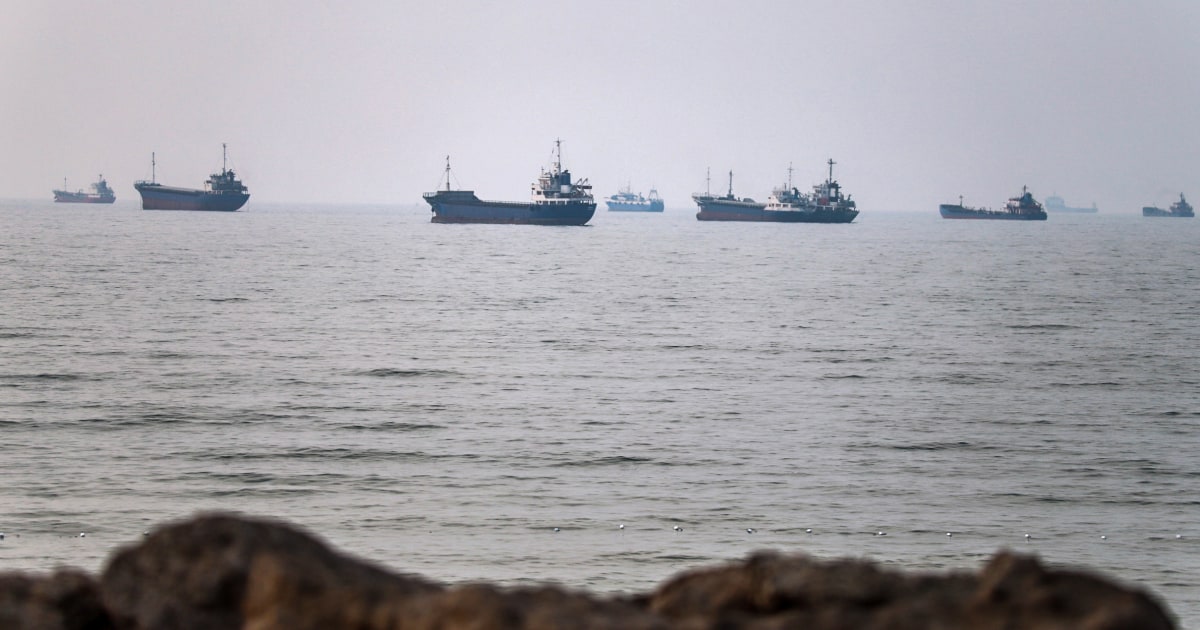
- UAE Ministry of Defense said Iranian cruise missiles struck two Emirati oil tankers in the southern lane of the strait in Omani waters, which the IRGC confirmed while accusing the US of "inciting vessels to use an illegal route."
- Oil prices rose nearly 3% to their highest in four weeks on the reimposed blockade and Hormuz attacks, as roughly a fifth of global oil and gas traffic (~15 million barrels/day, worth $1.2 billion) transits the strait.
- UN shipping agency rejected Trump's toll proposal outright, stating there is "no legal basis for introducing mandatory tolls on strait transits" — an angle largely overshadowed by the military headlines.
Why it matters: Iran is no longer confining retaliation to its own territory: it hit a US base in Jordan and Emirati tankers in Omani waters, drawing regional hosts of US forces directly into the war. Trump's 20% Hormuz toll gambit — potentially worth ~$240 million a day — lacks any legal standing per the UN shipping agency, meaning the US could enforce it only by force.