Appeals Court Rejects DOE Coal Plant Emergency Order — SkimNews
Get the Energy newsletter
Daily energy & climate — solar, EVs, oil, the policy fights and tech bets shaping the transition. Free.
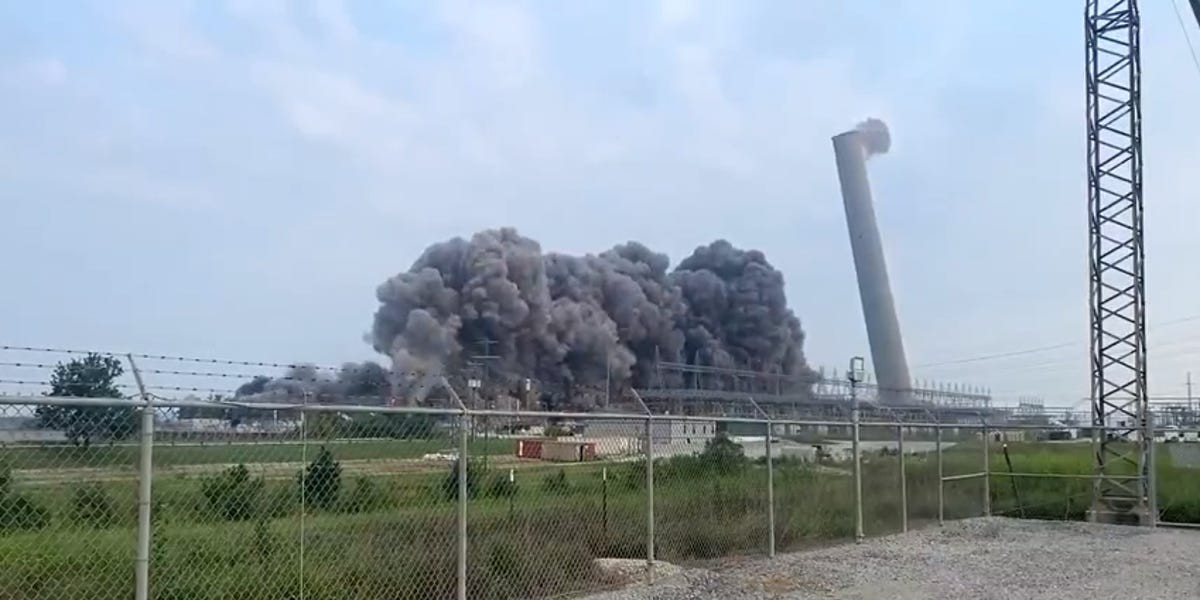
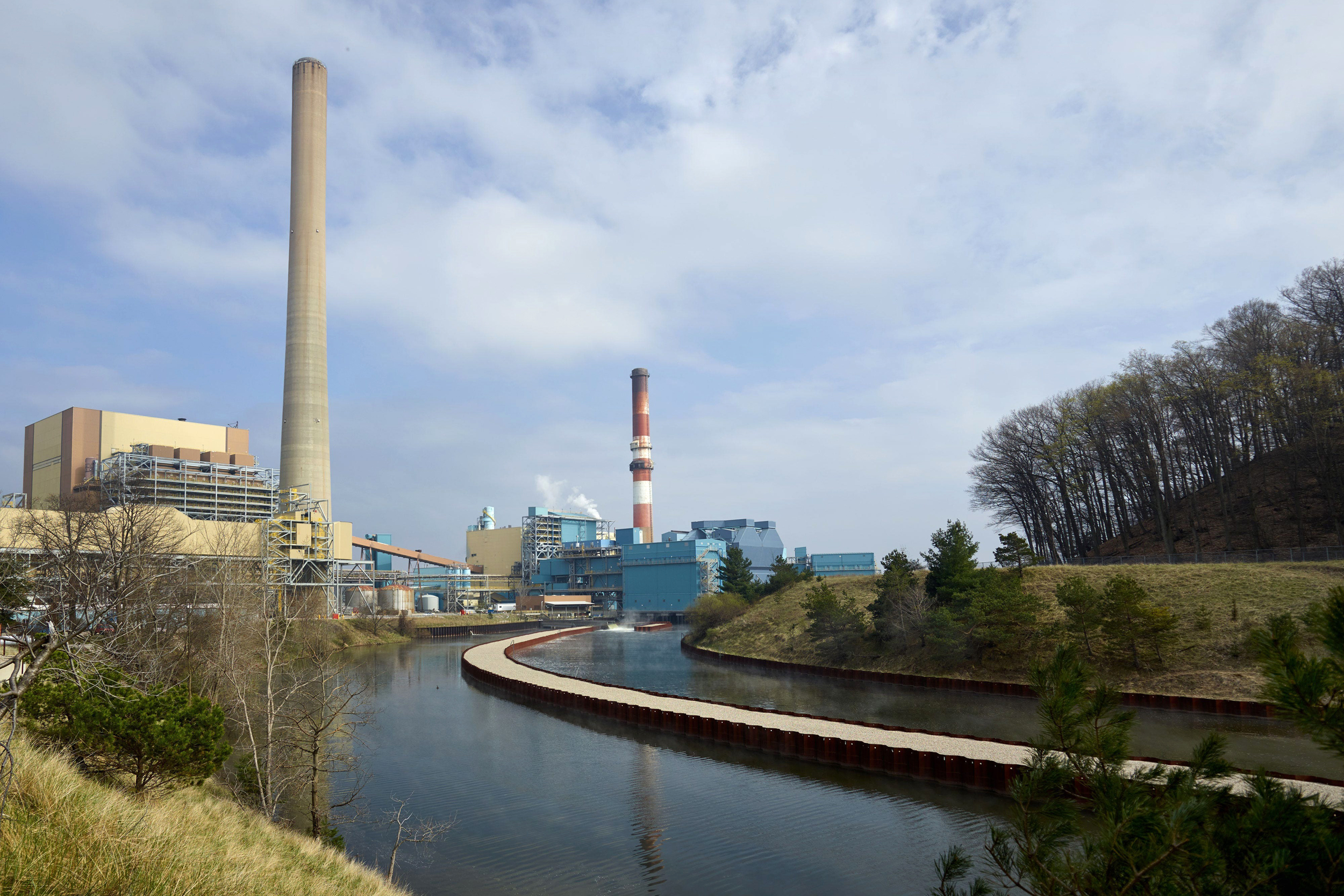
- D.C. Circuit Court vacated DOE's emergency order requiring Consumers Energy to keep the 1,420-MW J.H. Campbell coal plant operating past its May 31, 2025 retirement, finding the federal government overstepped into state reliability planning
- The court ruled DOE lacked authority under Section 202(c) of the Federal Power Act, rejecting the department's "sweeping conception" of what constitutes an electricity supply emergency requiring immediate federal action
- Consumers Energy reported $259 million in net compliance costs through June 30, after applying $239 million in MISO revenues, according to a July 28 SEC filing
- Since the Campbell order, DOE has issued similar emergency orders affecting six other power plants — all but one coal-fired — and reissued every order before expiration
- Earthjustice, representing the Sierra Club and Urban Core Collective, brought the suit alongside the Michigan attorney general, who argued the case for Illinois, Michigan, and Minnesota
- DOE defended the orders as essential for preventing blackouts during Winter Storm Fern in January, claiming Campbell operated at over 650 MW every day between Jan. 21 and Feb. 1 and coal generation rose 25% in affected regions
Why it matters: The ruling sharply curtails the Trump administration's use of Section 202(c) emergency powers to block market-driven coal retirements, with seven similar DOE orders now in legal jeopardy. Consumers Energy shareholders absorbed $259 million in net compliance costs, and the decision sets a binding circuit-level precedent on the boundary between federal backstop authority and state resource adequacy planning.
Ask SkimNews