Indiana University IDOL enzyme as Alzheimer’s target — SkimNews

SkimNews Take
While existing Alzheimer's drugs target plaque after formation, IDOL's role as a "hidden driver" suggests a pre-emptive therapeutic strategy that could prevent plaque buildup from the outset.
Get the Health newsletter
Daily health & science — research, biotech, public health, the studies worth knowing. Free.
- Indiana University researchers identified the brain enzyme IDOL as a novel therapeutic target for Alzheimer’s disease.
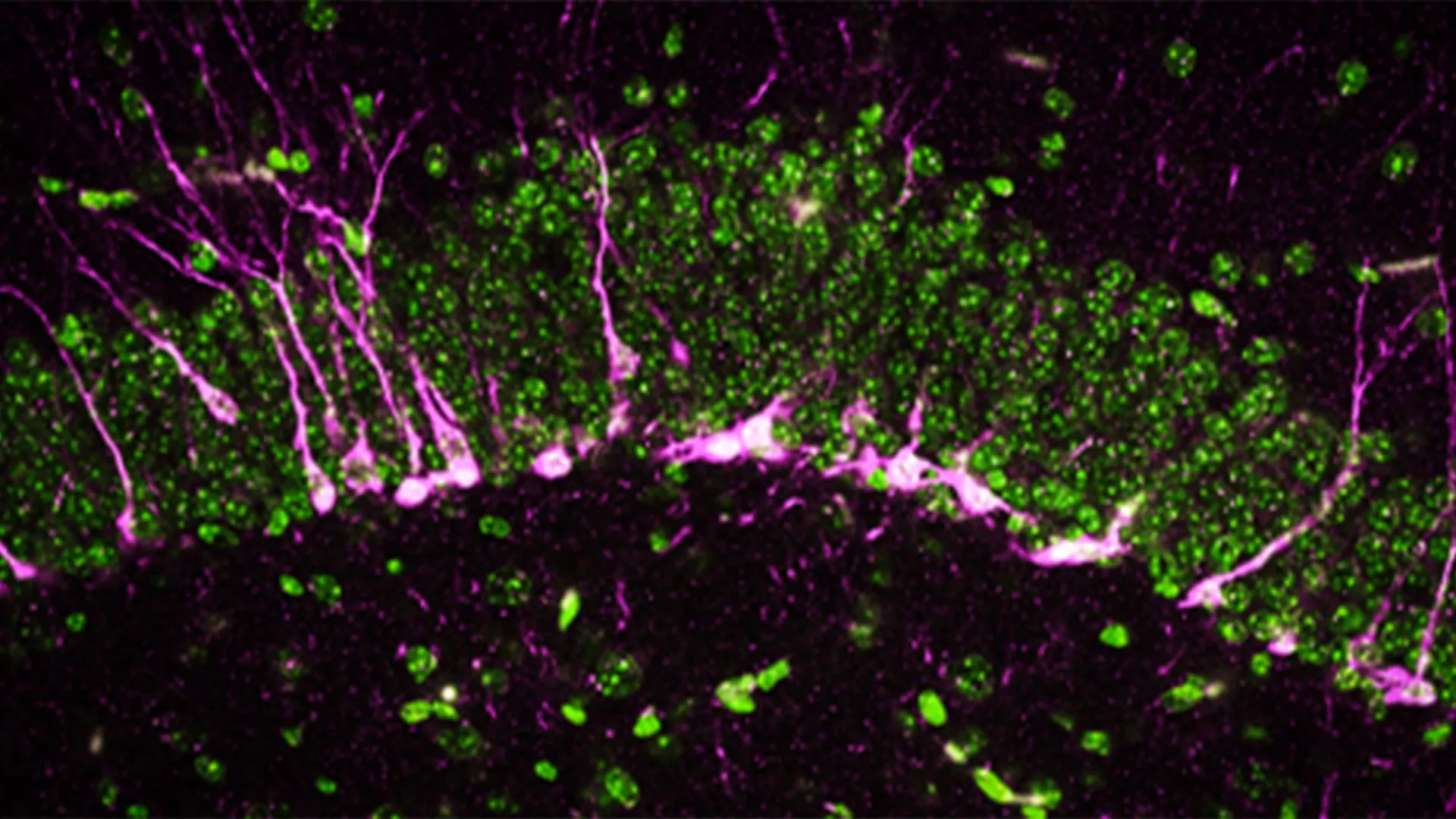
- Deleting IDOL from neurons in animal models sharply reduced amyloid plaque levels and lowered APOE protein expression.
- Neuronal IDOL removal also improved brain resilience and intercellular communication pathways linked to cognitive function.
- The study was published in Alzheimer’s & Dementia: The Journal of the Alzheimer’s Association.
- Targeting IDOL could enable precise drug design with minimal side effects due to its well‑defined active site.
Why it matters: Alzheimer’s patients will gain a third disease‑modifying therapy—adding to the two already approved—potentially reducing long‑term care costs for families and insurers by slowing cognitive decline and delaying institutionalization.
Ask SkimNews