G7 meeting in France: What’s on agenda, who is attending? — SkimNews

Get the Geopolitics newsletter
Daily geopolitics — wars, elections, sanctions, the diplomatic moves that move markets. Free.
- G7 leaders convene Monday in Evian-les-Bains, France, for a two-day summit with the Ukraine war, Iran-US conflict, and trade tensions on the agenda, joined by EU representatives and guest heads of state from India, Egypt, Ukraine, Qatar, and others.
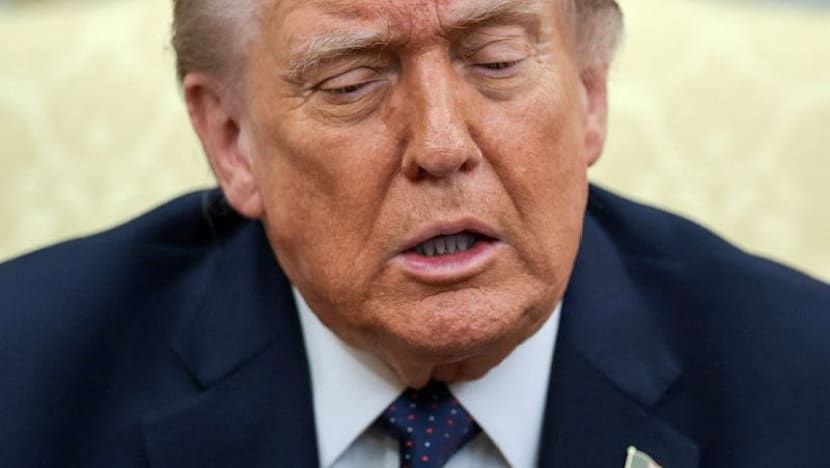
- Trump arrives at the summit after announcing a tentative deal with Iran to end the war, and is expected to meet separately with leaders of Egypt, Qatar, the UAE, and India.
- South Africa was disinvited in March after tensions with the US over its stance on Gaza and Trump-raised claims about treatment of white Afrikaner farmers, even though white South Africans (less than 10% of the population) own more than 70% of the land.
- AI executives from Anthropic, OpenAI, Google, and Mistral AI are expected to attend, as France crafts an agenda blending world crises with economic challenges.
- European diplomats see the summit as a chance to convince Trump that US proposals on Ukraine have been too favorable to Moscow, with CSIS's Victor Cha noting Europeans are increasingly thinking about 'a life with less America.'
- Trade tensions loom large: Trump imposed broad tariffs on every G7 member last year, the US Supreme Court struck them down in February, and in June the administration threatened 10–12.5% tariffs on 60 trading partners over alleged forced labor failures.
- China is not attending but will be discussed, with France framing macro-economic imbalances as shared responsibility—'China overproduces, the US over-consumes, and Europe underinvests'—particularly around Beijing's dominance in rare earth minerals.
Why it matters: The summit tests G7 unity as Trump arrives after announcing a tentative Iran deal and amid European frustration with US Ukraine proposals seen as too favorable to Moscow. France has framed China's economic imbalances as shared responsibility, while 60 trading partners now face new 10–12.5% US tariff threats over alleged forced labor, exposing how far the rules-based order has frayed under unilateral US action.
Ask SkimNews