CATL is building more than 200 battery swap stations EVERY MONTH — SkimNews
SkimNews Take
Pairing with an energy retailer like Octopus rather than automakers signals battery swap stations are being positioned as grid-connected energy assets, not just fueling infrastructure — making each station a potential node in a distributed storage network.
Get the Energy newsletter
Daily energy & climate — solar, EVs, oil, the policy fights and tech bets shaping the transition. Free.
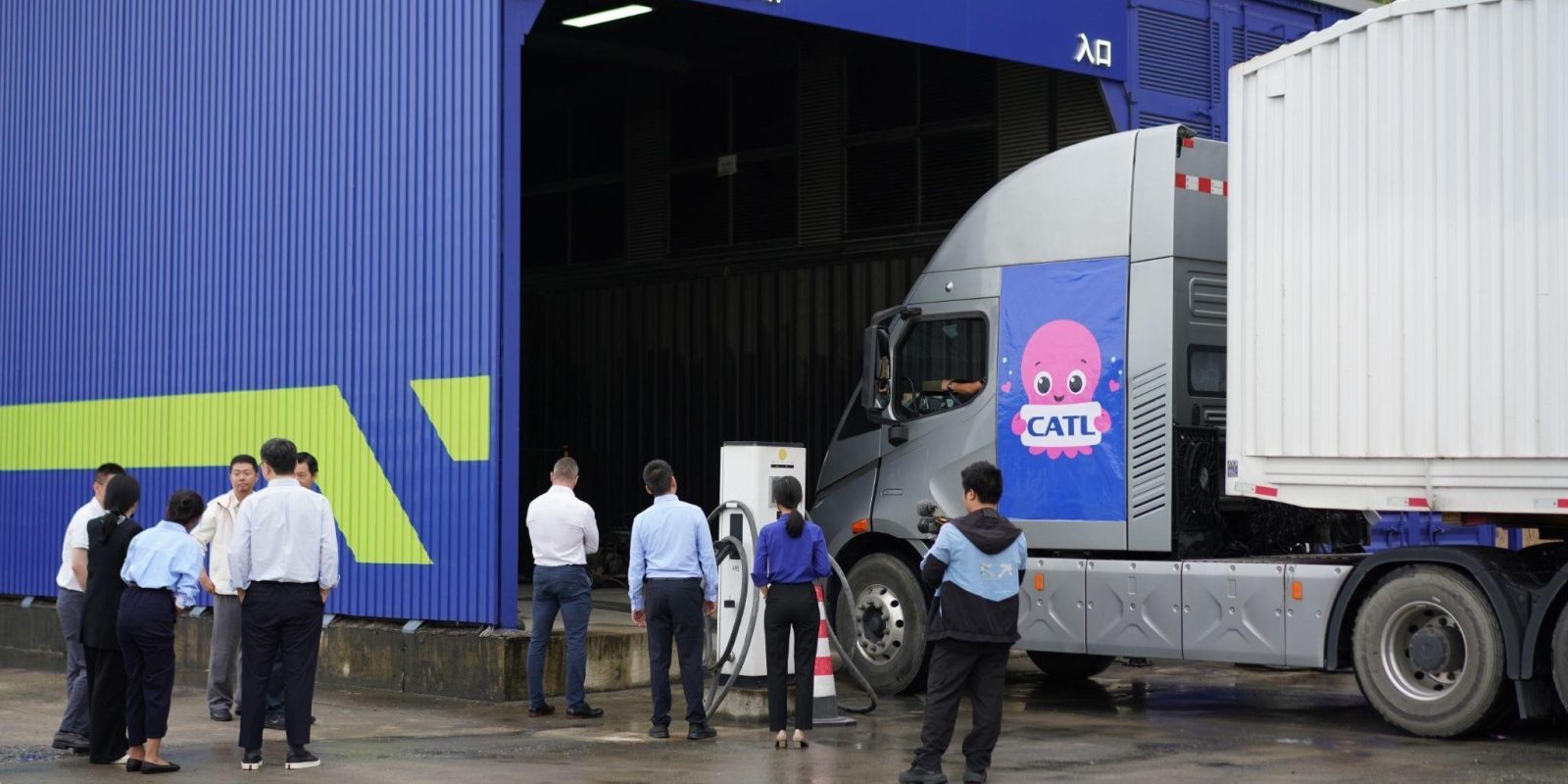
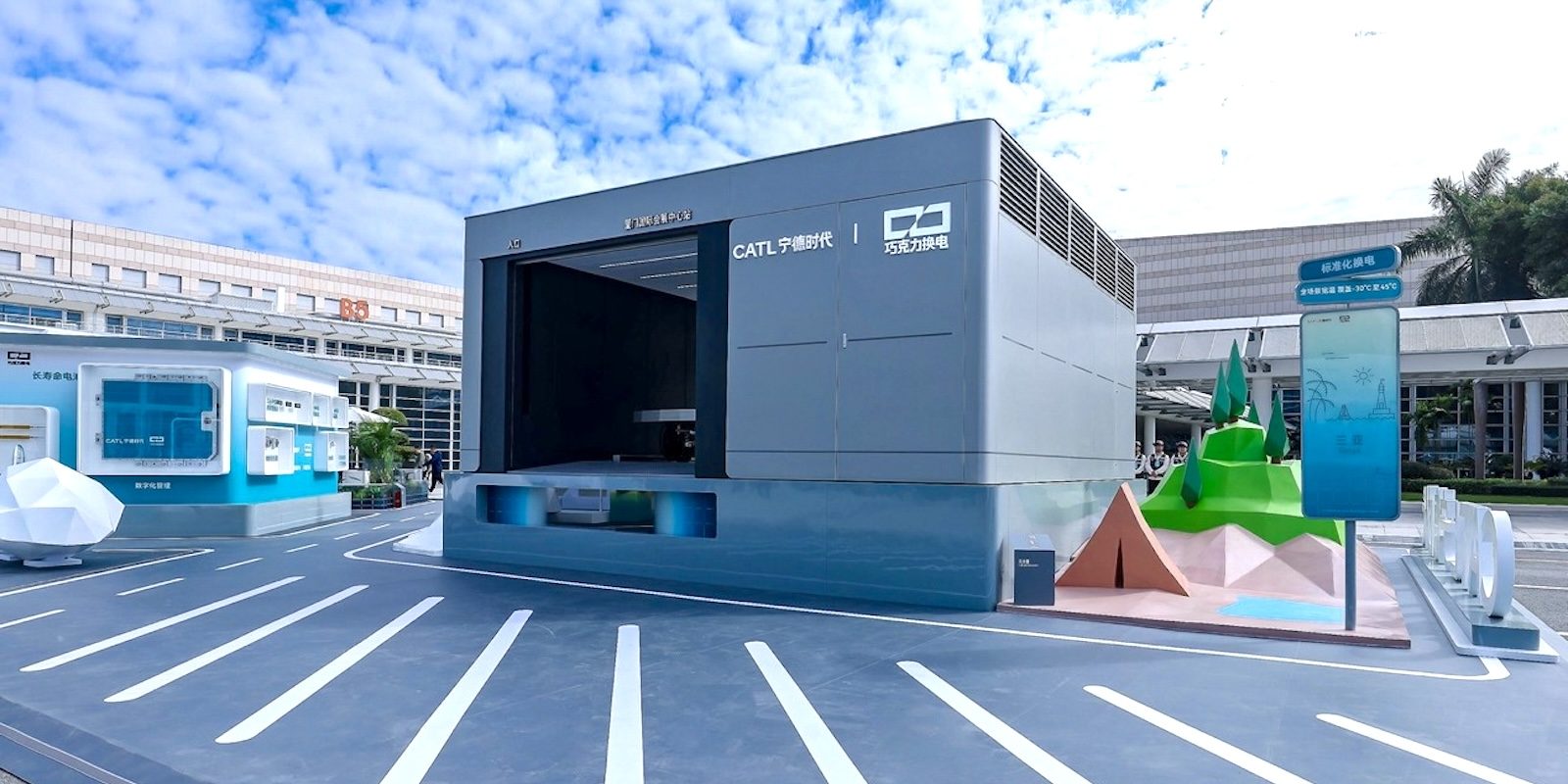
- CATL's Choco-SEB battery swap network deployed its 2,000th station on June 30th, averaging more than 200 new stations every month throughout 2026
- Choco-SEB now spans 180 cities across 31 provinces in China, with an official target of 3,000 stations across the Chinese mainland and Hong Kong by the end of 2026
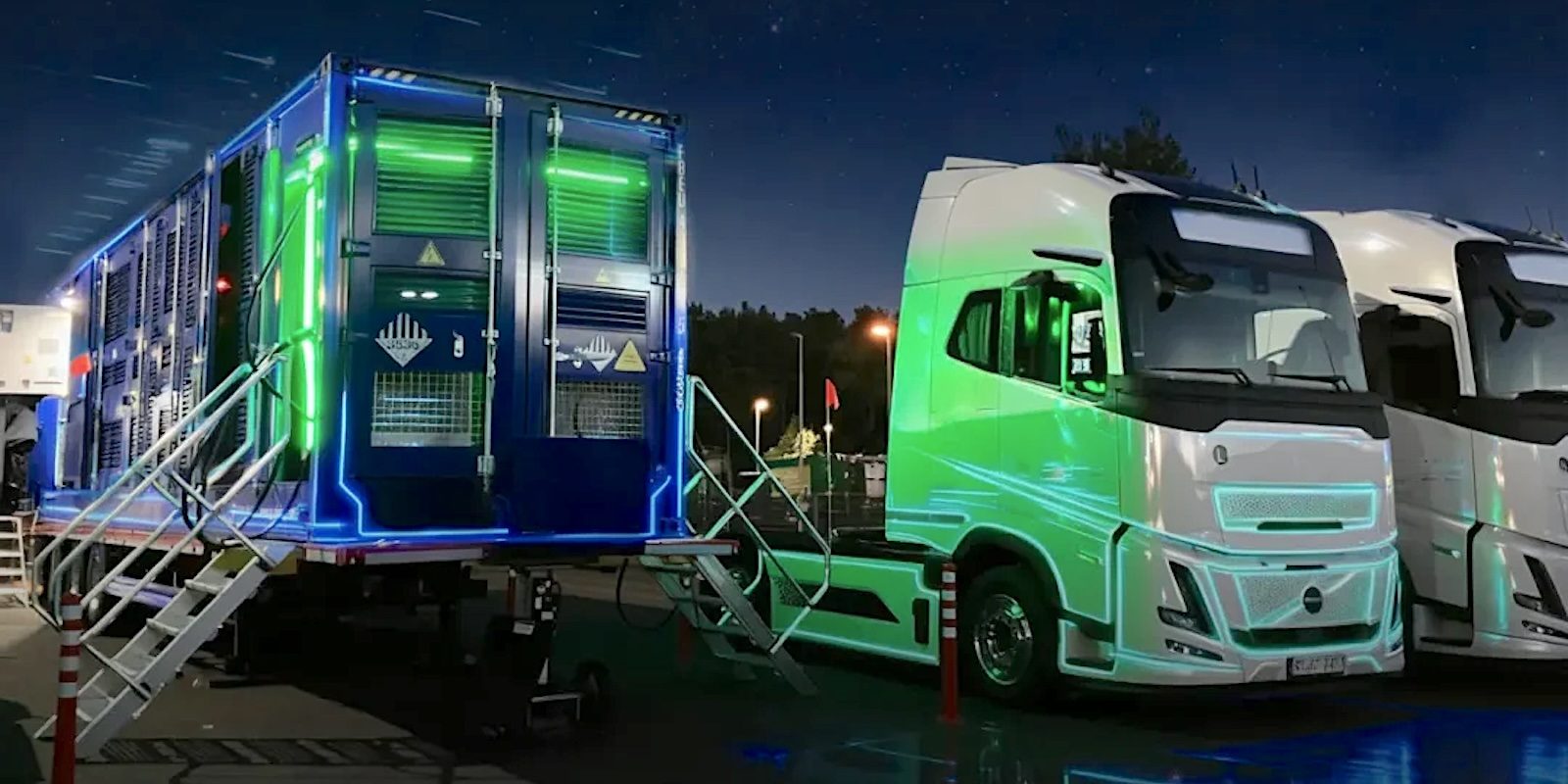
- CATL announced a partnership with Octopus Energy to bring large-scale battery swapping to UK and European markets, with chairman Dr. Robin Zeng calling the technology "field-proven in China"
- The network grew from zero stations at the start of 2025 to roughly 700 last October, and if current pace holds could surpass 4,000 stations globally by year-end 2026
- CATL co-developed 10 new EV models with domestic automakers last December using its swappable batteries, betting the technology can replace up to a third of China's gas stations
- Choco-SEB is preparing to enter major expressway corridors including Beijing-Harbin, Beijing-Kunming, Beijing-Tibet, Daqing-Guangzhou, and Lanzhou-Haikou
Why it matters: The trajectory—from zero stations in early 2025 to 2,000 by mid-2026—puts CATL on track to potentially exceed 4,000 global stations by December, with the explicit ambition of replacing up to a third of China's gas stations. The Octopus Energy partnership marks CATL's first significant push beyond Chinese borders, extending the Chinese battery-swap model into UK and European commercial transport markets.
Ask SkimNews