CATL's 20 plants carbon neutral; supply chain looms larger — SkimNews
Get the Energy newsletter
Daily energy & climate — solar, EVs, oil, the policy fights and tech bets shaping the transition. Free.
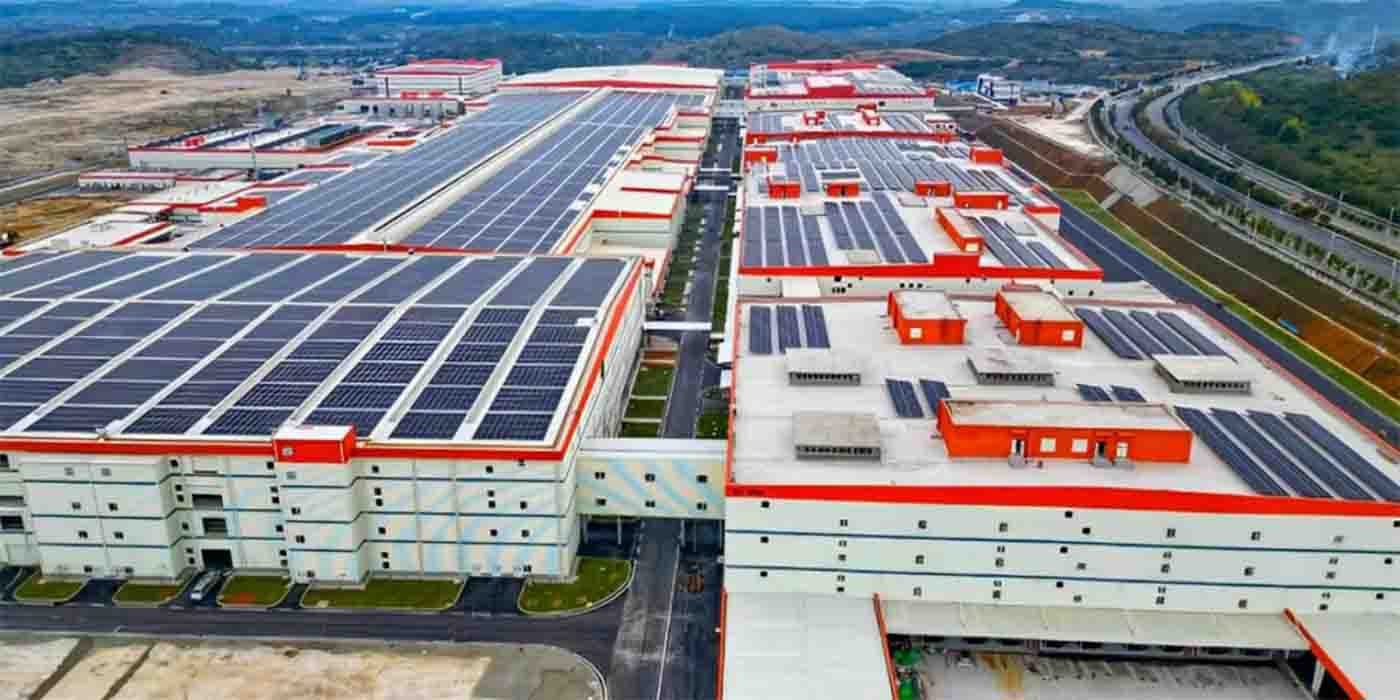
- CATL achieved ISO 14068-1 carbon-neutral certification at all 20 operating battery plants, hitting a target the company originally set for 2025.
- CATL held a 39.2% share of the global EV battery market in 2025, ranking first for the ninth consecutive year according to SNE Research data cited by the company.
- Zero-carbon electricity supplied 100% of CATL's core operational power in 2025, with plants consuming more than 18 billion kWh of it since 2023.
- CATL cut carbon emissions per unit of production by roughly 77% and energy use per unit by 28% versus 2022, removing more than 10 million metric tons of CO2 equivalent between 2023 and 2025.
- CATL's supply chain accounts for more than 80% of a battery's lifecycle emissions, with total value-chain emissions running more than five times its factory emissions.
- Beginning in 2027, new CATL suppliers must provide product carbon-footprint data, and 30 core suppliers will join a decarbonization program where stronger emissions performance earns priority in order allocation and longer-term contracts.
- CATL is now targeting full value-chain decarbonization by 2035, focusing on lower-carbon materials, supplier renewables, zero-carbon freight, and battery recycling through its Brunp Recycling subsidiary.
Why it matters: With CATL controlling nearly 40% of the global EV battery market, its 2027 supplier carbon-data mandate and order-allocation incentives effectively set a procurement floor for mining, refining, and materials manufacturing worldwide — and the 2035 value-chain target matters because 80% of battery emissions sit upstream, beyond any single factory's control.
Ask SkimNews