Pakistan's Asif Warns India May Strike Kolkata — SkimNews
Get the Geopolitics newsletter
Daily geopolitics — wars, elections, sanctions, the diplomatic moves that move markets. Free.
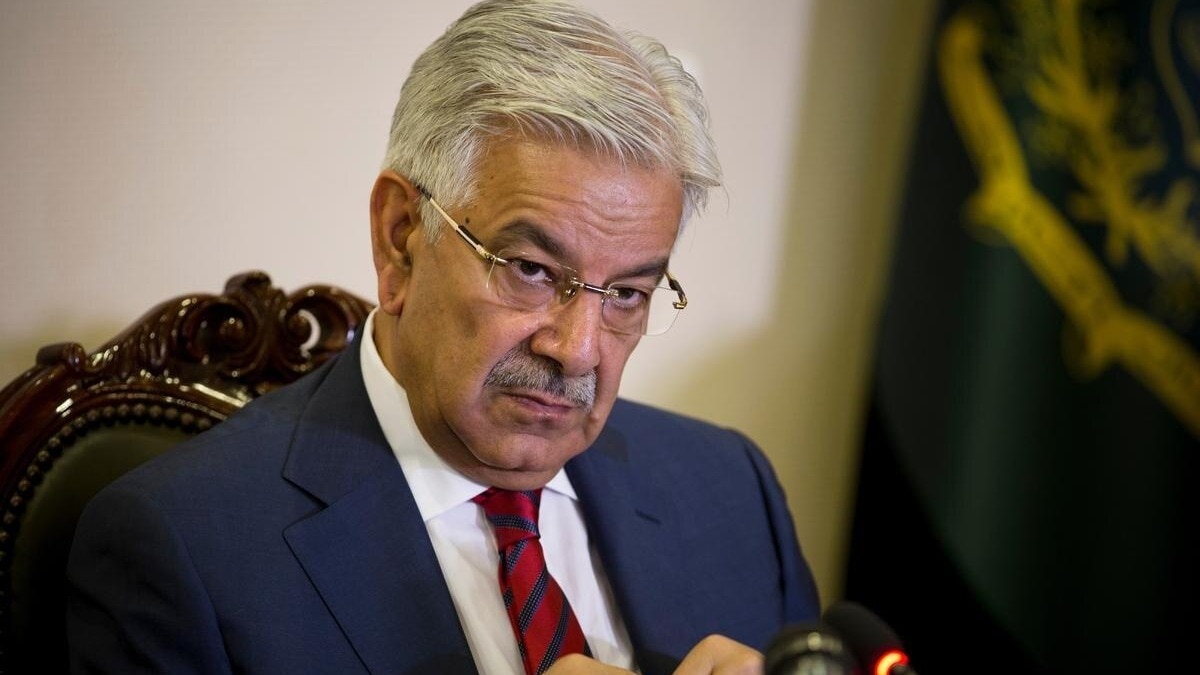
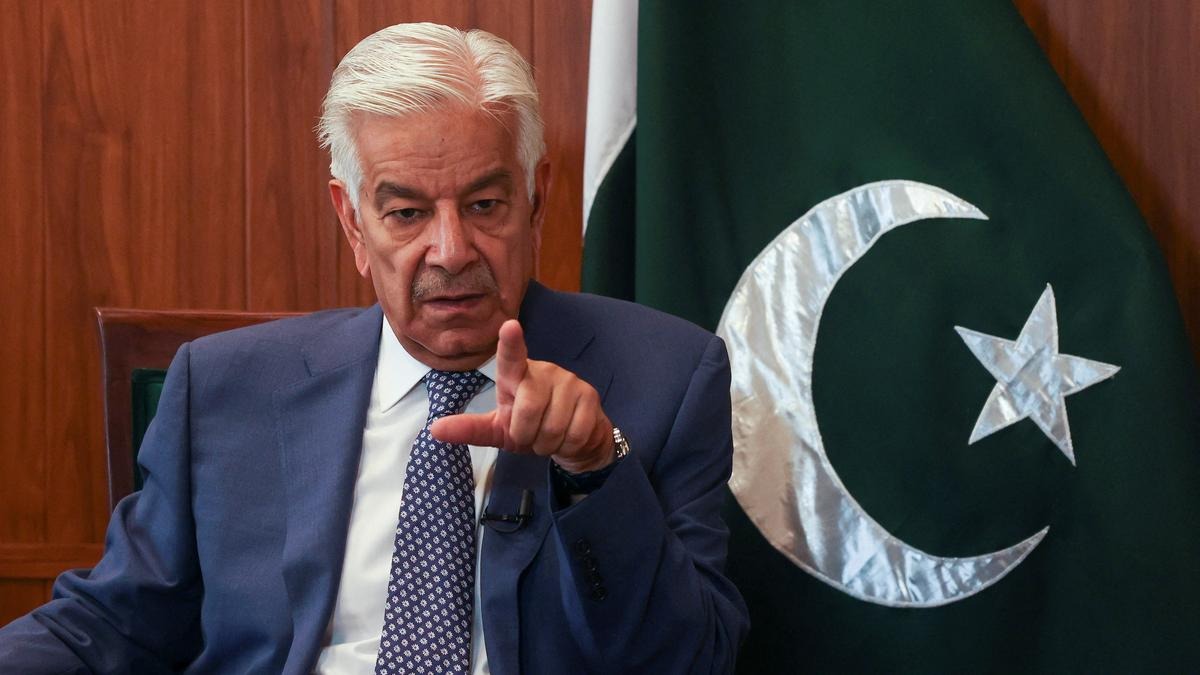
- Khawaja Asif, Pakistan's Defence Minister, told reporters in Sialkot on Saturday that if India attempts a "false flag operation," Pakistan "will take it to Kolkata," claiming without evidence that India might plant bodies and blame terrorism.
- Asif escalated further, stating the next conflict "will not remain limited to 200 to 250 km" and that Pakistani forces would "enter their territory and strike them inside their own homes" — language mirroring earlier Pakistani establishment warnings about expanding the theatre eastward.
- Rajnath Singh, India's Defence Minister, responded from Kerala that any Pakistani misadventure would draw an "unprecedented and decisive" response, explicitly invoking Operation Sindoor — the missile and drone strikes India launched after the April 22, 2025 Pahalgam attack killed 26 people.
- The April 2025 escalation lasted four days: India struck terror infrastructure across Pakistan and Pakistan-occupied Kashmir, Pakistan retaliated with artillery, drones, and missiles, and a ceasefire took hold on May 10, 2025 after direct talks.
- Former Pakistan High Commissioner Abdul Basit (who served in New Delhi 2014–2017) had made similar inflammatory remarks days earlier, saying that if the US attacked Pakistan, Pakistan would strike "India, Mumbai, New Delhi, without a second thought."
- Afghanistan's Taliban government accused Pakistani forces of conducting airstrikes in Kabul, Kandahar, and Paktika, with spokesperson Zabihullah Mujahid alleging civilian sites were hit, adding a western front to Pakistan's already volatile security environment.
Why it matters: Two nuclear-armed neighbours are trading city-naming threats in the open press, and the lack of evidence behind Asif's "false flag" claim suggests the rhetoric is calibrated for domestic audiences rather than signalling actual intent. With India's defence minister publicly keeping the post-Pahalgam operation open-ended and a former Pakistani envoy echoing the same targeting list, the deterrence language from both sides is hardening, not de-escalating, four months after the May 2025 ceasefire.
Ask SkimNews