Pakistan Signals Military Option in Indus Waters Dispute — SkimNews

Get the Geopolitics newsletter
Daily geopolitics — wars, elections, sanctions, the diplomatic moves that move markets. Free.
- India placed the 1960 Indus Waters Treaty in abeyance last year after a terrorist attack on tourists in Pahalgam, Kashmir killed 26 people, blaming Islamabad without presenting convincing evidence.
- India has since May 2025 fast-tracked infrastructure on the western rivers — including the Chenab-Beas Link Tunnel and Ranbir Canal expansion — and stopped sharing hydrological data with Pakistan's Commissioner for Indus Waters.
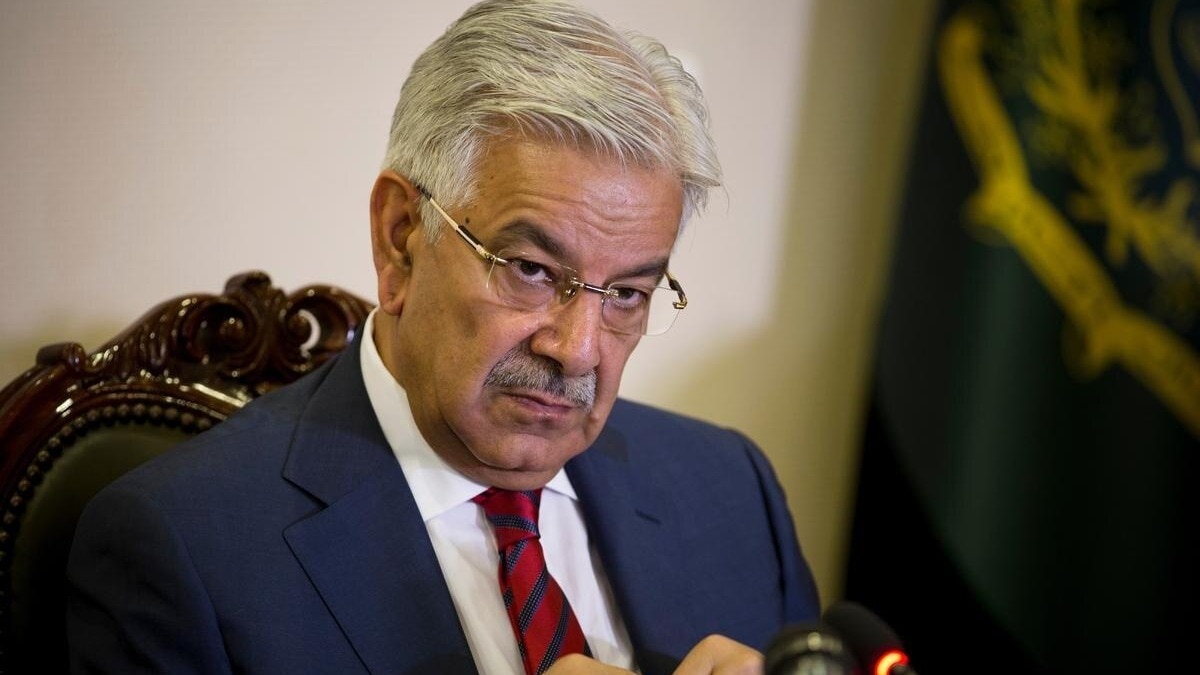
- Pakistani Defense Minister Khawaja Asif said Pakistan "would not hesitate to go to war" if its water security is breached, while PPP Chairman Bilawal Bhutto-Zardari called water strangulation an "existential threat" at an Islamabad seminar.
- Pakistan's Corps Commanders Conference on July 6, chaired by General Asim Munir, issued a formal declaration of institutional readiness to "undertake all measures necessary to ensure availability of Pakistan's rightful share of water."
- The Permanent Court of Arbitration recently ruled in Pakistan's favor, placing "substantive limits on India's water-control capability" on the western rivers.
- Pakistan is exploring proposals to expand the IWT into a trilateral framework with China, noting that the Indus and its major tributaries originate in the Himalayas and Qinghai-Tibetan Plateau — making India not the ultimate upstream country.
- Deputy PM and Foreign Minister Ishaq Dar last month identified 17 Indian initiatives on the western rivers, including hydropower facilities, as "tools for hydro-hegemony."
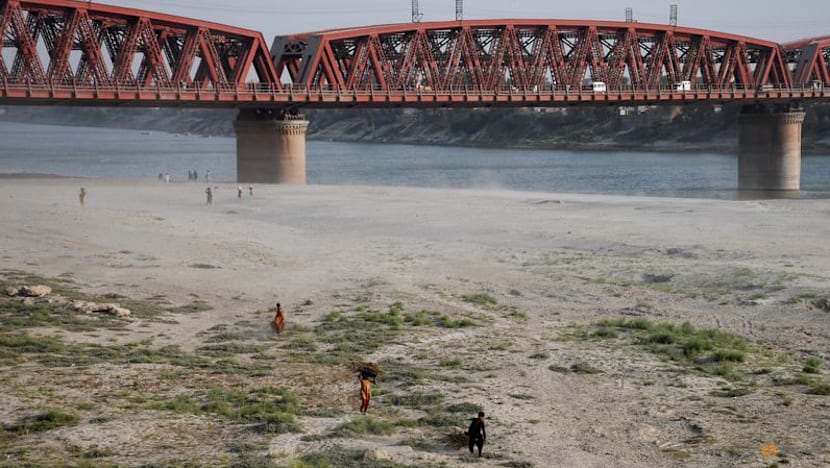
Why it matters: Pakistan, as a lower riparian state whose irrigation, energy, and population depend on stable Indus flows, now frames water as an existential security matter — a shift from legal recourse to explicit military signaling between two nuclear-armed states. The Corps Commanders' formal readiness declaration, paired with Asif's war threat, marks the most direct Pakistani escalation since India held the treaty in abeyance, while the climate-driven pressures of glacial melt and erratic monsoons add urgency to a framework never designed for current realities.
Ask SkimNews