New campaign urges public to reduce water use as UK emerges from heatwave

Get the Energy newsletter
Daily energy & climate — solar, EVs, oil, the policy fights and tech bets shaping the transition. Free.
- The £75m 'Let's Save Water' campaign, launching this week, is the UK's biggest-ever water conservation drive and aims to cut average daily use by 28 litres per person from the current ~140-litre average.
- Water companies, Ofwat, the Environment Agency, the Met Office and Natural Resources Wales are partnering on the campaign, which water companies will fully fund over four years.
- Behavioural psychologists at Sheffield and Swansea universities are advising the campaign, with Sheffield's Prof Thomas Webb saying the goal is to shift public attitudes so water is treated as a precious collective resource.
- Public trust in water companies is at an all-time low, organisers acknowledge, citing record sewage pollution, drinking-water outages in south-east England, and Thames Water's high debt levels — making the plea to cut usage a 'difficult sell.'
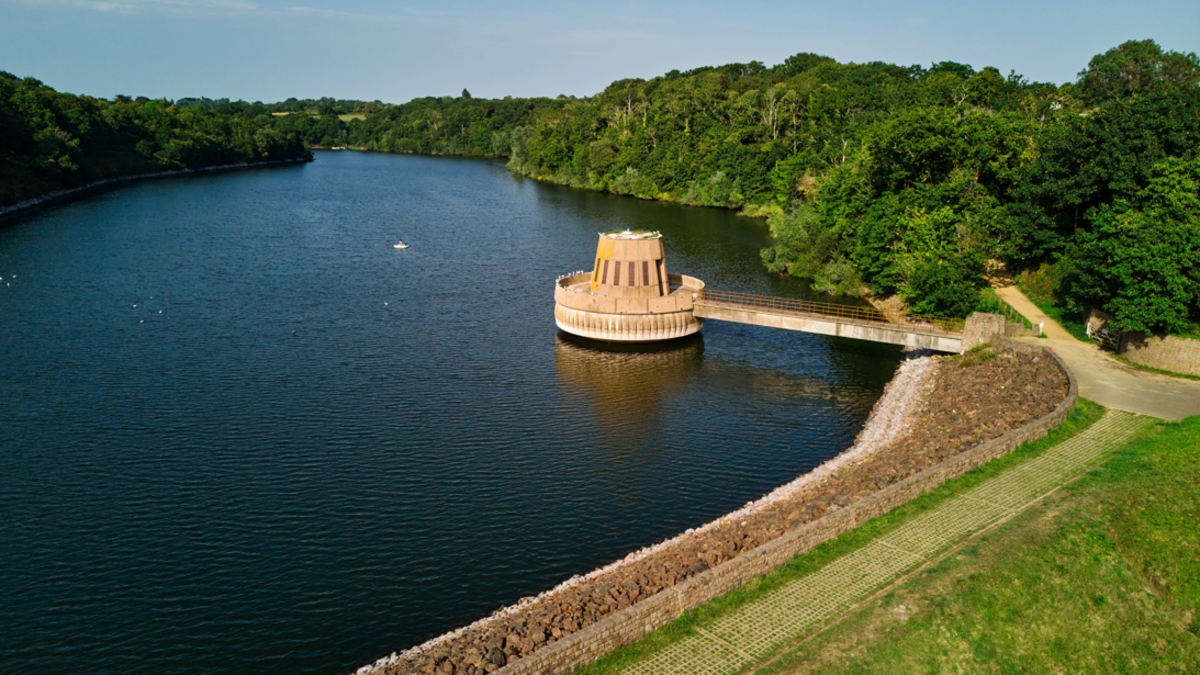
- Leaks account for 19% of water demand and no new reservoirs have been built by English water companies in 30 years, even as shortages are projected to hit 5bn litres a day by 2055 — roughly 2,000 Olympic pools.
- River Action chief executive James Wallace welcomed the campaign but stressed that the greater responsibility lies with companies: £78bn has been paid to shareholders since privatisation while 3bn litres of drinking water leak from pipes daily.
- The industry has pledged 10 new reservoirs and £104bn of investment over the next five years, but House of Lords environment committee chair Shas Sheehan warned water firms must 'lead by example' for the campaign to land.
Why it matters: The campaign asks households to save 28 litres a day while water companies themselves leak 3bn litres daily, haven't built a reservoir in 30 years, and have paid £78bn to shareholders since privatisation — meaning the credibility gap, not the behavioural challenge, is the real obstacle to the £75m drive making a dent in the projected 5bn-litre daily shortfall by 2055.