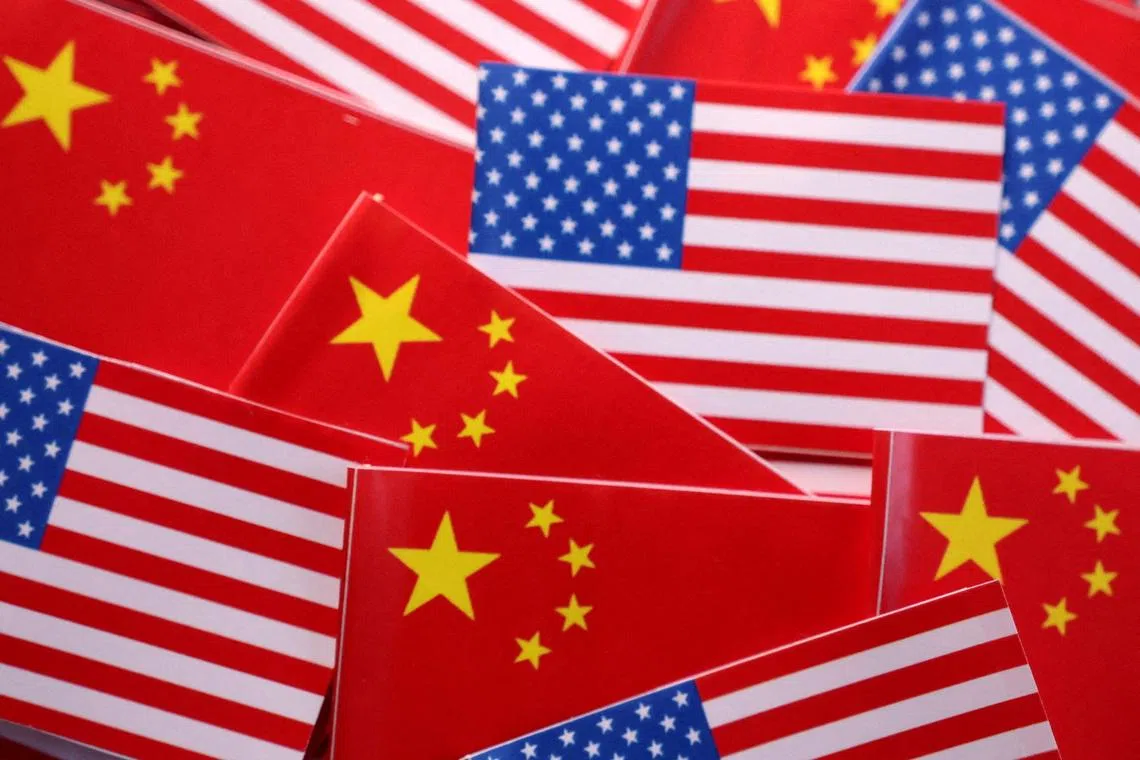
The US-China trade war seems to have subsided – but the sense of calm is misleading — SkimNews
Get the Geopolitics newsletter
Daily geopolitics — wars, elections, sanctions, the diplomatic moves that move markets. Free.
- U.S. and China reached a trade truce last year that halted tit-for-tat tariff escalation, was extended until next January and opened the door to an as-yet-undefined deal.
- Xi Jinping called during the Covid pandemic for China to build a ‘powerful countermeasure and deterrent capability’ against foreign attempts to cut off supply chains.
- Jake Sullivan laid out the Biden administration’s ‘small yard, high fence’ strategy to restrict a narrow set of advanced military technologies; controls have since proliferated for half a decade, slowing China’s broader technological progress.
- China throttled exports of rare earths and magnets last year in retaliation for U.S. tariffs and semiconductor restrictions; it later relaxed some controls but retained many and used them against third countries.
- International Energy Agency estimated that blocking U.S. and European access to Chinese rare-earth magnets would cost their economies about $1.5tn per year.
- Trump administration is pouring hundreds of millions into projects to mine and process rare earths and other critical minerals while doubling down on limits to China’s access to frontier semiconductors and chipmaking machinery.
- China has announced export restrictions on artificial-intelligence chips and solar technology and threatened penalties against countries seeking to reduce reliance on Chinese mineral inputs.
Why it matters: A renewed cutoff would put a $1.5tn annual burden on the U.S. and Europe, while rare-earth magnets remain embedded in American fighter jets, submarines and missiles. That makes supply-chain control a direct military dependency, and the truce extended until January has produced no mutual assurances or agreed definition of legitimate security limits.
Ask SkimNews