U.S.-China Truce Masks a Supply-Chain Arms Race — SkimNews
Get the Geopolitics newsletter
Daily geopolitics — wars, elections, sanctions, the diplomatic moves that move markets. Free.
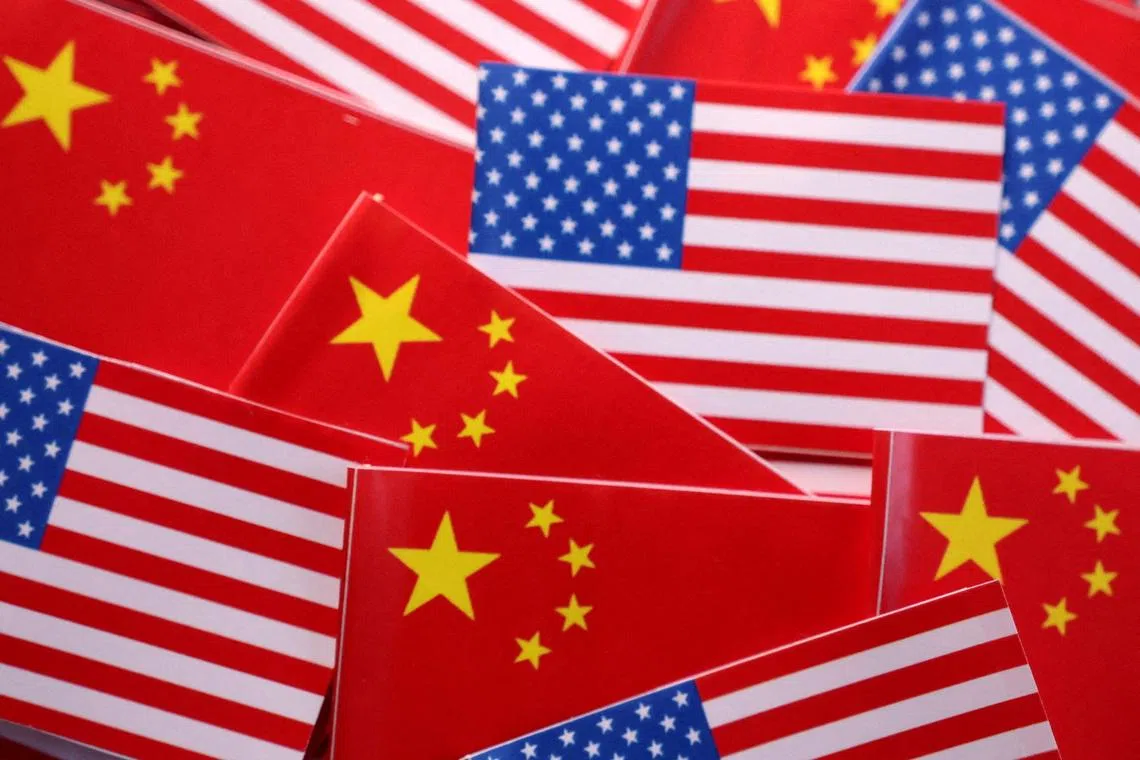
- U.S. and China extended their trade truce until next January, halting tit-for-tat tariff escalation but leaving no mutual assurances against renewed hostilities.
- China has faced a half-decade of proliferating U.S. restrictions on technology exports, investments and transfers, slowing both its military capabilities and broader technological progress while Trump’s tariffs add further pressure.
- China throttled exports of rare earths and the magnets made from them last year to retaliate against U.S. tariffs and restrictions on Chinese access to high-end semiconductors and lithography machines.
- IEA estimates that a Chinese blockade of rare-earth magnets could cost the U.S. and Europe about $1.5tn per year.
- Trump’s administration is putting hundreds of millions into projects to mine and process rare earths and other critical minerals, aiming to close China’s lead while tightening restrictions on frontier semiconductors and chipmaking machinery.
- China announced export restrictions covering artificial-intelligence chips and solar-power technology, and threatened to punish countries that work to reduce their dependence on Chinese mineral inputs.
- China’s trade model pairs massive export growth with zero import growth, a trajectory the author calls unsustainable and untenable for the rest of the world.
Why it matters: China holds material leverage: the IEA estimates that a Chinese blockade of rare-earth magnets could cost the U.S. and Europe about $1.5tn annually. With the tariff truce extended until next January, supply-chain dependence has become a strategic vulnerability for defense and high-tech industries rather than a settled form of interdependence.
Ask SkimNews