Another day, another illegal billion-dollar bribe to raise your electricity prices — SkimNews
Get the Energy newsletter
Daily energy & climate — solar, EVs, oil, the policy fights and tech bets shaping the transition. Free.
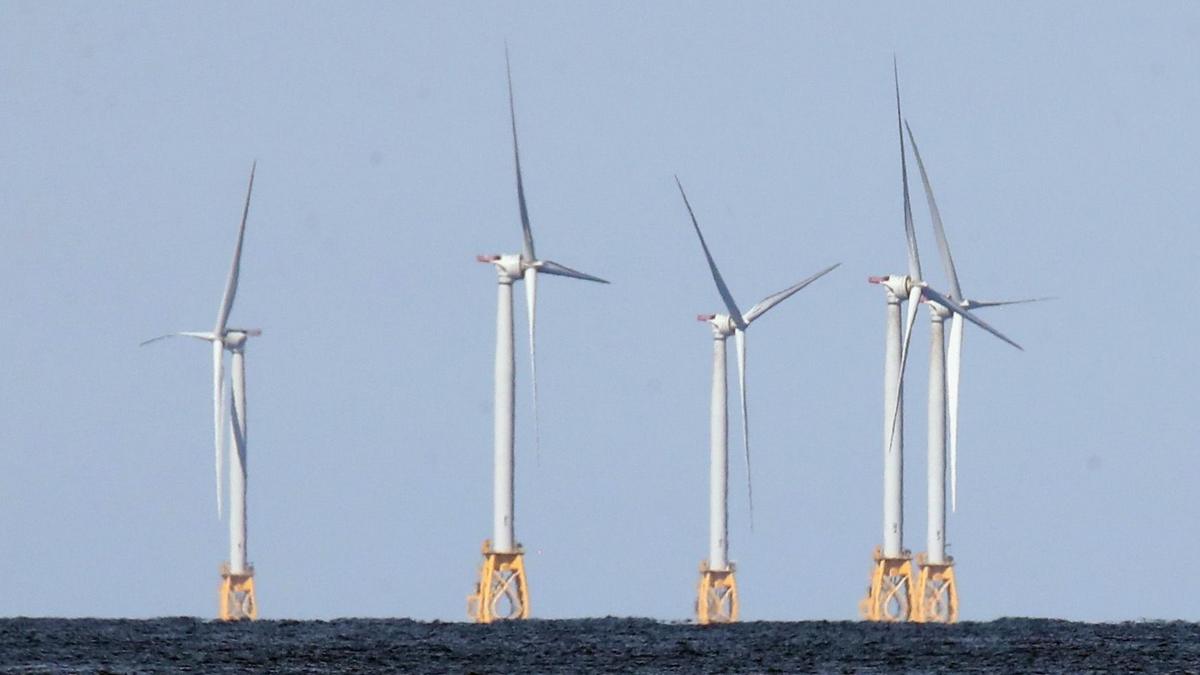
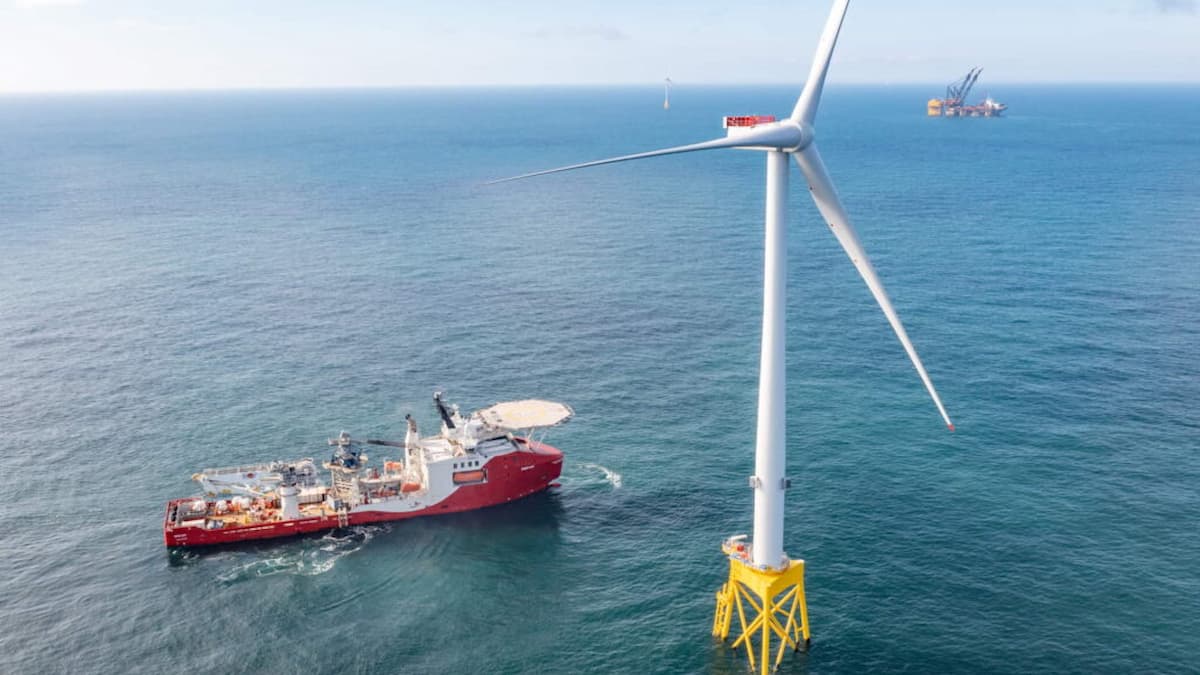
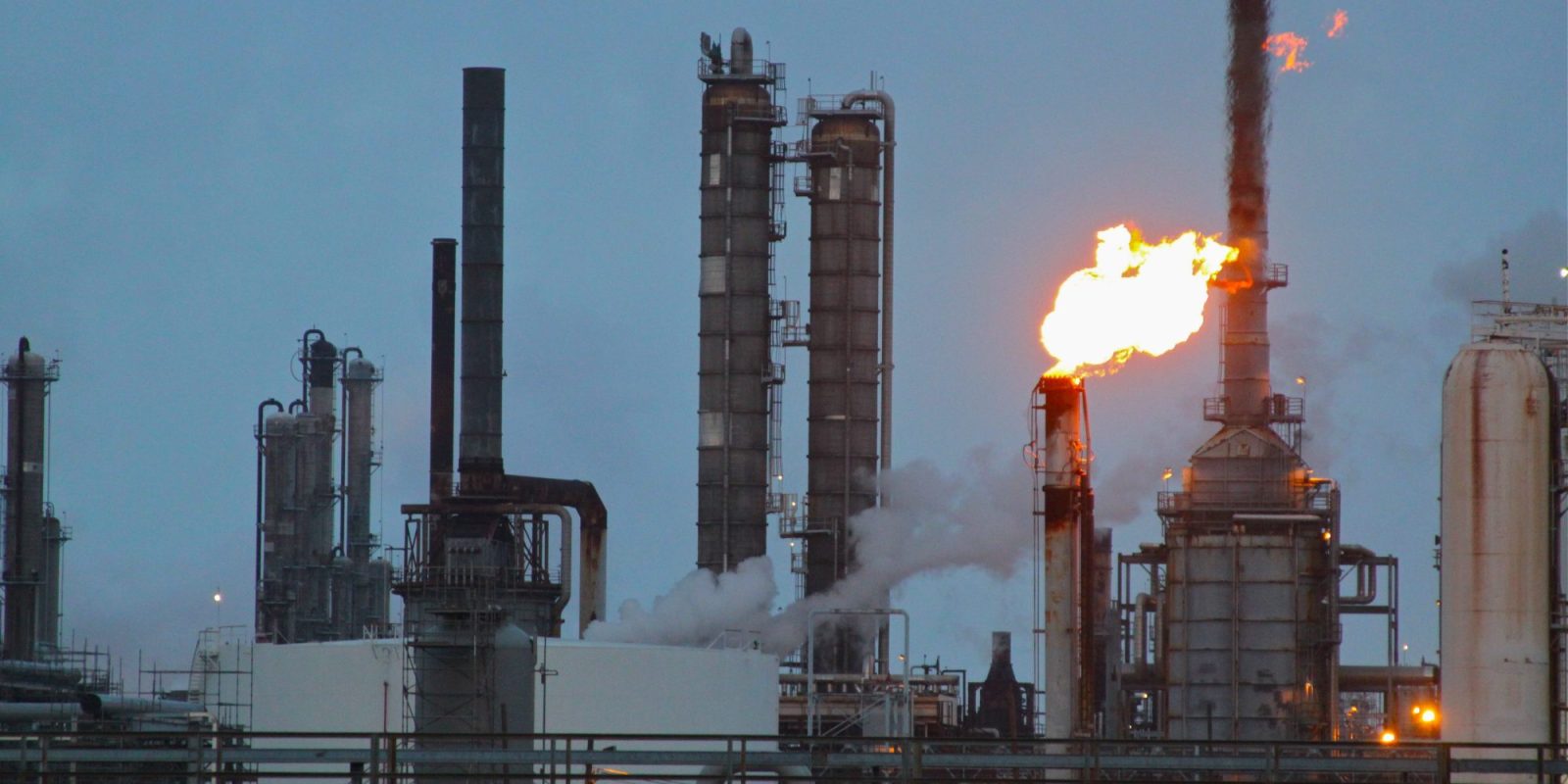
- Interior Department paid RWE $1.22 billion on August 6 to cancel offshore wind leases in New York Bight, California, and Louisiana, replacing the Louisiana lease with a stake in a liquified methane terminal and committing $300 million to methane gas turbines for data centers.
- Invenergy received $765 million from Interior to abandon four offshore wind leases off New York/New Jersey, California, and Maine (originally costing $756 million), redirecting capital to natural gas-fired projects and some Western U.S. geothermal development.
- Duke Energy received $129 million from Interior on June 29 to cancel its Carolina Long Bay offshore wind project (1.6 GW, enough for 375,000 homes)—the same day Duke warned Carolinas customers to set thermostats higher due to heat-wave grid strain.
- The program began with a nearly $1 billion payment to TotalEnergies in March to buy out its offshore wind lease, citing a national security rationale that courts had previously rejected and the Department of Defense had signed off on.
- Doug Burgum, accused of receiving hundreds of thousands of dollars in fossil-fuel industry payments, has seen multiple prior Interior actions reversed by courts; on August 6, a federal court blocked the administration's national security justification for delaying permits on roughly 150 wind projects.
- The four deals total over $3.9 billion in payouts from the Judgment Fund—a fund set aside for settlements against the government—to companies that filed no actual lawsuits, alleged to violate the Outer Continental Shelf Lands Act; California has pledged to sue after losing three of five offshore wind projects.
Why it matters: Over $3.9 billion in taxpayer money has been redirected from clean offshore wind to natural gas projects at a time when U.S. electricity demand is projected to grow 20–40% over the next decade and electricity prices hit a record high in July. Americans are paying higher bills while losing gigawatts of planned generating capacity, and courts have already begun overturning Interior's legal justifications.
Ask SkimNews