Brazil Mining Permits Laundered $2B in Tapajós Gold — SkimNews
SkimNews Take
The continued issuance of mining licenses, despite evidence of illegal gold laundering and environmental harm, suggests that the formal licensing process may be inadvertently legitimizing or enabling illicit activities rather than controlling them.
Get the Energy newsletter
Daily energy & climate — solar, EVs, oil, the policy fights and tech bets shaping the transition. Free.
- ANM still maintains 263 of 540 Garimpeiro Mining Permits (PLGs) in the Tapajós River basin that declared gold sales between 2022 and 2026 with no evidence of extraction consistent with the volumes reported — a practice oversight bodies have identified as illegal gold laundering.
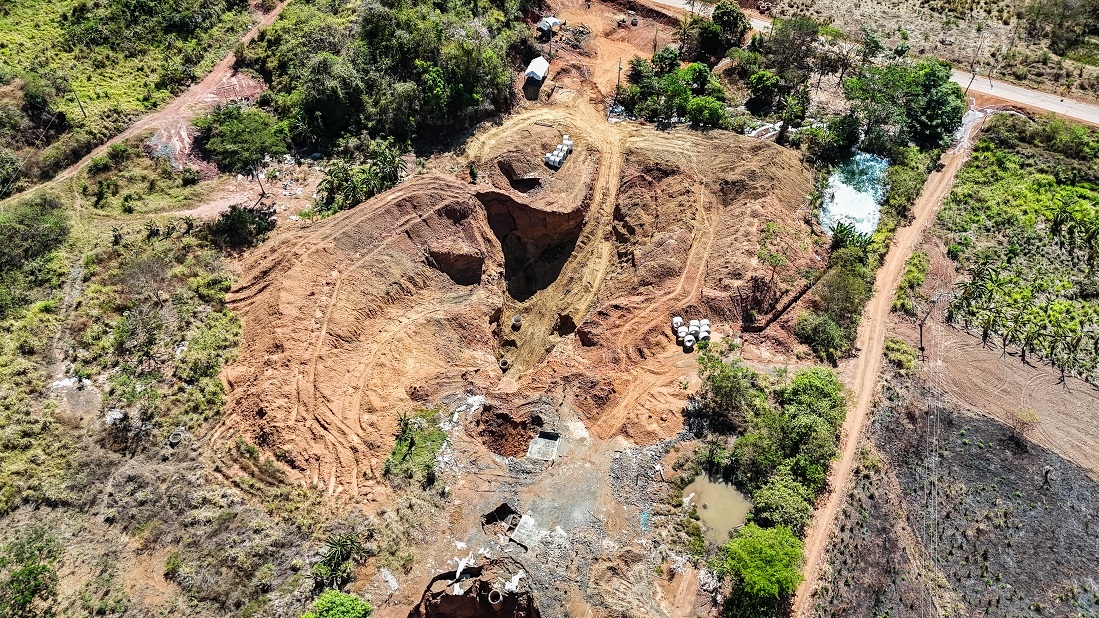
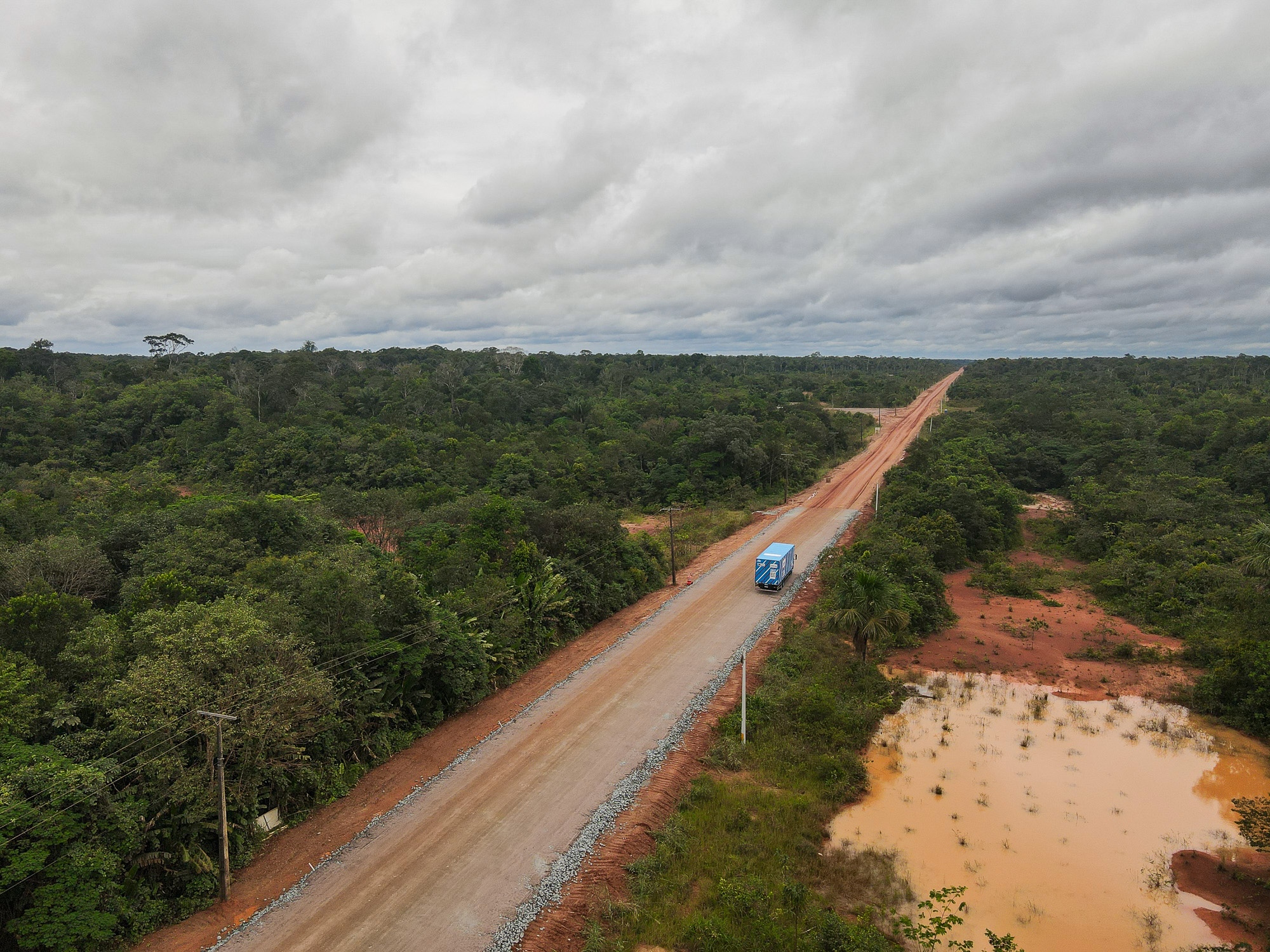
- Tapajós PLGs have channeled nearly 60 percent of Brazil's legalized gold over the past four years, totaling $2.03 billion (10 billion reais) in declared production in the basin, and roughly 70 percent of regional mining activity lies within 10 km of these permits.
- Minuano Cooperative of Miners and Prospectors, founded in 2022, began declaring gold production only in 2024 — coinciding with when main Operation Sisaque suspects stopped reporting — and has since declared roughly $9.76 million (48 million reais) from two PLGs inside the Tapajós Environmental Protection Area without ICMBio authorization, with volumes exceeding extraction estimates by 10x.
- Lawyer José Antunes, who chairs the Brazilian Bar Association's Environmental Law Commission in Itaituba, holds 162 PLGs covering more than 8,000 hectares in the Tapajós APA, reported $13 million (64 million reais) in gold sales across 31 permits (2022–2023), yet Ibama inspectors in December 2024 documented unauthorized mining, illegal mercury use, river alteration, and deforestation on his properties.
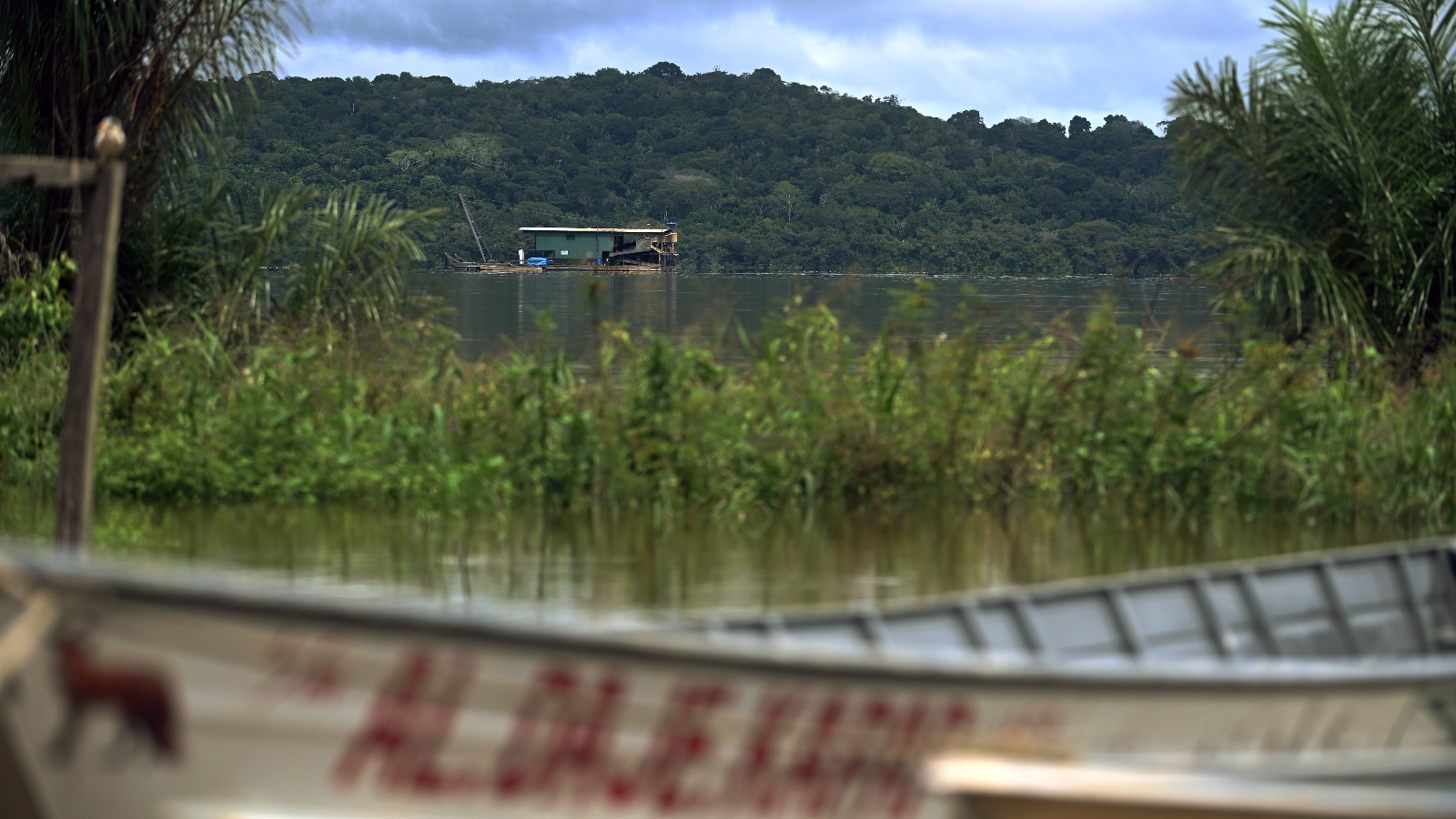
- Aleckson Poxo Munduruku, an 11-year-old born with cerebral palsy, tested at 6.9 µg/g of mercury — three times the WHO safe limit of 2.3 µg/g — as Fiocruz scientists link the contamination of Tapajós Indigenous communities to mercury used in gold mining that spreads through rivers into the food chain.
- Diego de Mello, accused by the Federal Police of running the laundering scheme exposed in Operation Sisaque, attended a March meeting in Brasília with ANM director José Fernando as part of the Pará-backed 'Legal Mining Expedition' to help legalize PLGs already filed with the agency.
- Twenty-one individuals control more than half (3,382) of the 9,101 mining applications in the Tapajós APA — a situation the Federal Court of Accounts in 2025 described as 'a real circumvention of the area limits established by law.'
Why it matters: The PLG system, flagged by the Comptroller General (2022), Federal Police Operation Sisaque (2023), and Federal Court of Accounts (2025), now legitimizes nearly 60% of Brazil's legalized gold — and ANM continues engaging with accused launderers, leaving Munduruku children like 11-year-old Aleckson testing at triple the WHO mercury limit. Roughly 70% of regional mining sits within 10 km of suspect permits, meaning revocation would not just close a loophole but reshape the Amazon's largest formal gold pipeline.
Ask SkimNews