Vale's 676 Mining Claims Overlap Brazil Settlements — SkimNews
Get the Energy newsletter
Daily energy & climate — solar, EVs, oil, the policy fights and tech bets shaping the transition. Free.
- Repórter Brasil and Mongabay identified 676 mining processes for copper, manganese, and nickel in Carajás since 1969, with 166 — a quarter of the total — filed in just the last five years (2021–25).
- Vale leads the critical-minerals race with 201 applications for these metals in Carajás; 40% of them (80) currently overlap with rural settlements, filed under the company and its subsidiaries Vale Metais Básicos, Salobo Metais, and Mineração Onça Puma.
- Of all 676 requests, 292 (43%) relate to 82 agrarian reform settlements across nine municipalities in southeastern Pará, where 14,852 families of small-scale farmers now live on public land designated for land reform, according to INCRA.
- Mineração Onça Puma, Vale's nickel subsidiary, faces a Federal Public Prosecutor's lawsuit alleging heavy-metal contamination of the Xikrin do Cateté Indigenous Territory, where a Federal University of Pará study found 98.5% of 720 Xikrin Indigenous people tested were contaminated.
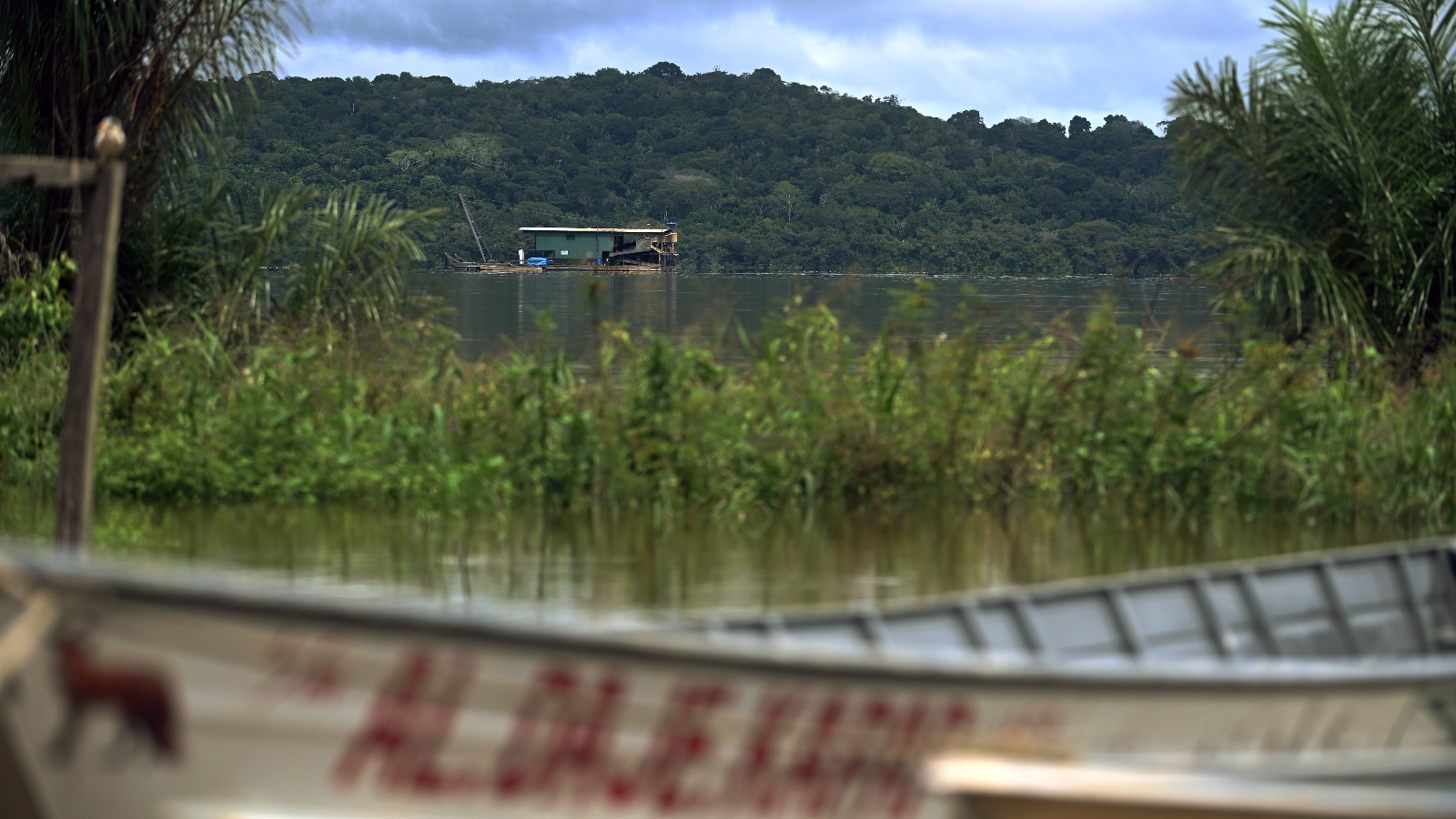
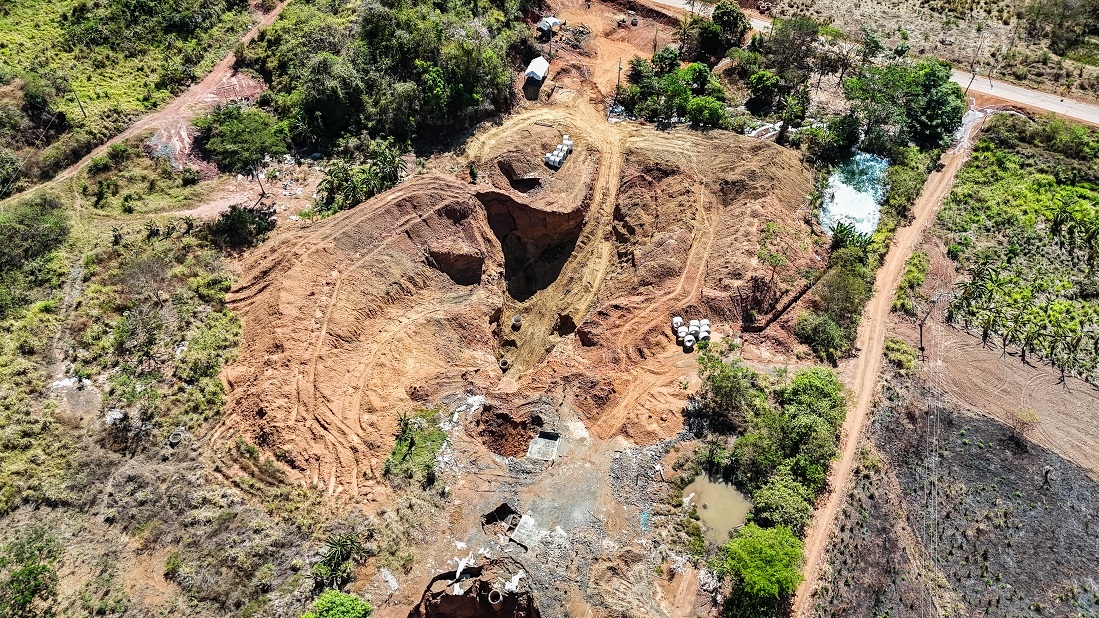
- Ero Brasil (subsidiary of Canada's Ero Copper) operates a copper mine inside the Tucumã Settlement — the agrarian reform area with the most electrification-mineral requests (62) — where settlers report dust clouds, structural damage from blasting, water scarcity, and fish die-offs in the Carapanãzinho River.
- A Bolsonaro-era regulation (2019–22) relaxed rules for mining, energy, and infrastructure projects in settlements, opening up areas that were previously shielded from extractive activity.
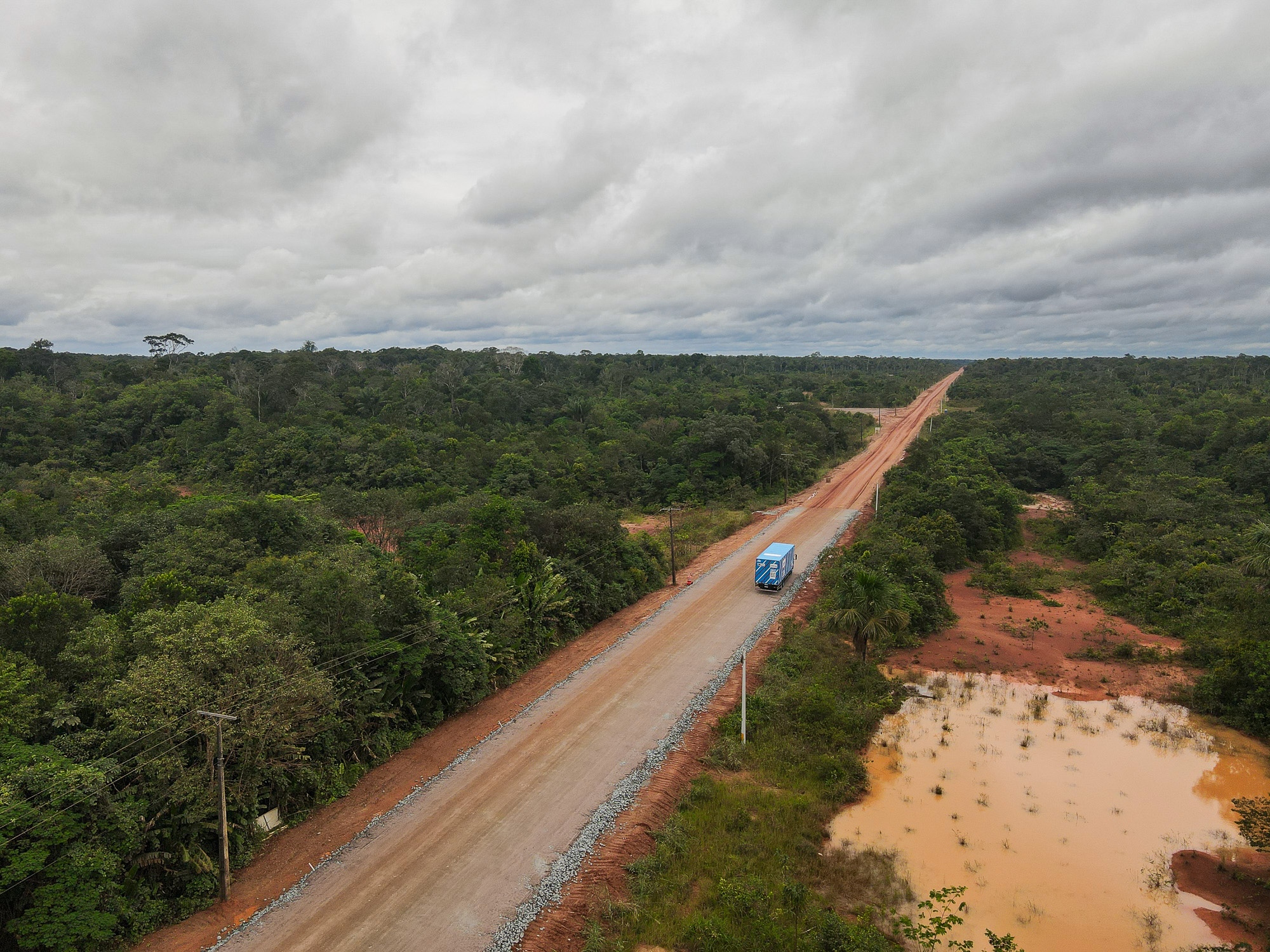
- Vale's Novo Carajás Program, launched last year at an event attended by President Lula, projects 70 billion reais ($13.5 billion) in investment by 2030 to expand copper and high-grade iron production in the same region.
Why it matters: The energy transition's appetite for "green minerals" is colliding directly with Brazil's agrarian-reform legacy in Carajás, putting 14,852 farming families and the Xikrin Indigenous Territory in the path of 292 active mining claims. Vale, already facing a federal contamination lawsuit over its Onça Puma nickel mine, is committing $13.5 billion through 2030 to expand output in the very region where settlers report water and air impacts from Ero Brasil's copper operation.
Ask SkimNews